Authentic Tanzania Safari & Mount Kilimanjaro Experts
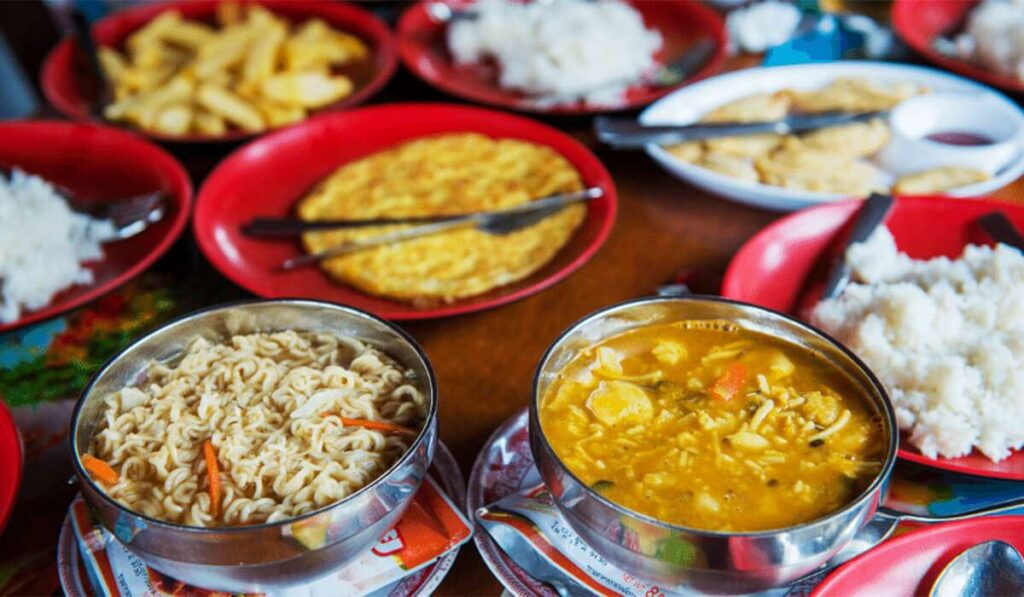
Sample Food on Kilimanjaro
When climbing Mount Kilimanjaro, proper food and nutrition play a very important role in helping climbers stay strong, healthy, and energized throughout the journey. At Wild and Nature Safaris, we provide fresh, nutritious, and well-balanced meals prepared daily by our professional mountain cooks.
Our Kilimanjaro meals are designed to support energy, acclimatization, and recovery, while also considering different dietary needs.
Sample Breakfast on Kilimanjaro
Breakfast is designed to give climbers enough energy for the day’s hike.
Typical breakfast includes: • Porridge or oatmeal • Eggs (boiled, fried, or omelette) • Toast with butter, jam, or honey • Pancakes or chapati • Fresh fruits (banana, orange, watermelon) • Tea, coffee, or hot chocolate
Sample Lunch on Kilimanjaro
Lunch is usually served at camp or as a picnic during longer trekking days.
Sample lunch meals: • Rice or pasta with vegetables • Chicken, beef, or tuna • Fresh salad (carrots, cucumber, cabbage) • Boiled eggs • Fruits (apple, orange, banana) • Soup (on colder days)
Sample Dinner on Kilimanjaro
Dinner is the main meal of the day and helps the body recover after trekking.
Sample dinner menu: • Vegetable soup or pumpkin soup • Rice, pasta, or potatoes • Chicken, beef stew, or fish • Mixed vegetables (carrots, peas, spinach, beans) • Dessert (fruit or popcorn) • Tea or hot drinks
Snacks & Energy Food on the Mountain
During the hike, climbers are encouraged to snack often to maintain energy.
Common snacks include: • Energy bars • Biscuits • Peanuts • Chocolate • Dried fruits
Drinking Water & Hydration
• Clean drinking water is provided daily • Water is boiled and filtered • Hot drinks are available every morning and evening • Climbers are encouraged to drink 3–4 liters per day
Proper hydration is essential for altitude sickness prevention.
Special Dietary Requirements
At Wild and Nature Safaris, we can cater for: • Vegetarian meals • Vegan meals • Gluten-free diets • Medical or allergy-related food needs
👉 Please inform us in advance so we can prepare accordingly.