Authentic Tanzania Safari & Mount Kilimanjaro Experts
Authentic Tanzania Safari & Mount Kilimanjaro Experts
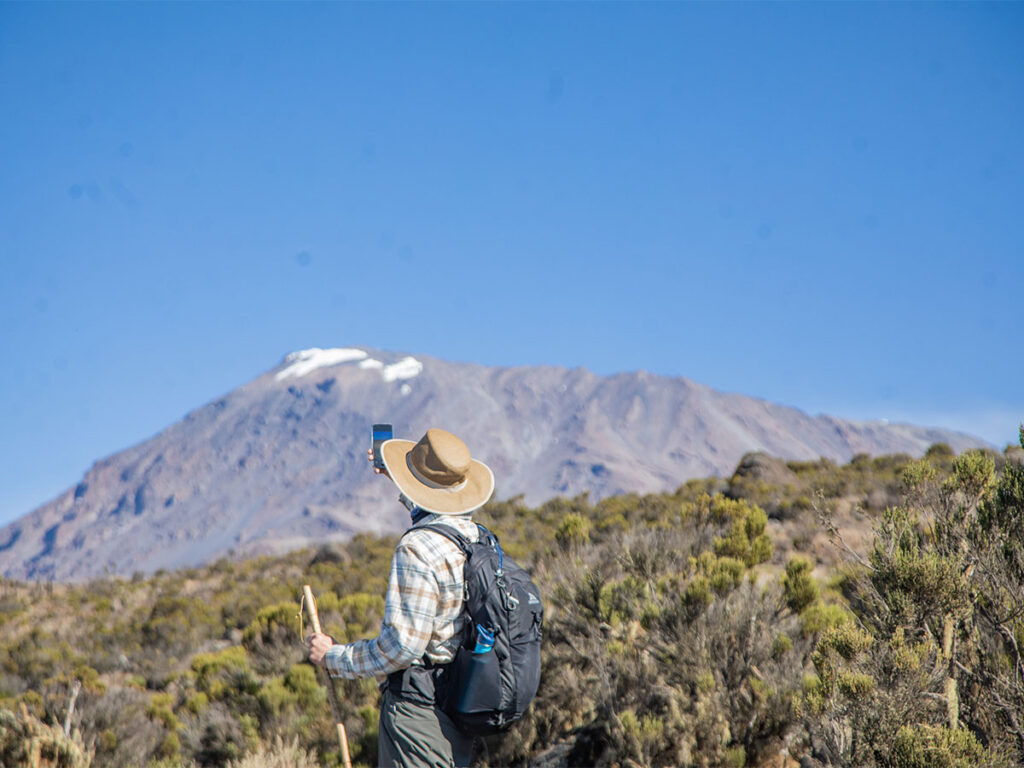
The 6 days Lemosho route is a shorter, more adventurous version of one of the most scenic trails on Mount Kilimanjaro. Designed for climbers who want to experience the beauty of Kilimanjaro within a limited timeframe, the 6 days Lemosho itinerary combines breathtaking landscapes with a challenging but rewarding ascent to Uhuru Peak (5,895m).
Starting on the quiet western side of the mountain, the 6 days Lemosho route takes you through lush rainforest, across the dramatic Shira Plateau, and into the high alpine desert before reaching the summit. Although faster than longer options, the 6 days Lemosho climb still follows a strategic acclimatization approach to maximize your chances of success.
The 6 days Lemosho climb is perfect for trekkers who are physically fit and want a more time-efficient Kilimanjaro experience without sacrificing scenery. Compared to other short routes, the 6 days Lemosho offers better views, quieter trails, and a more gradual start through pristine rainforest.
This 6 days Lemosho itinerary is ideal if you are looking for:
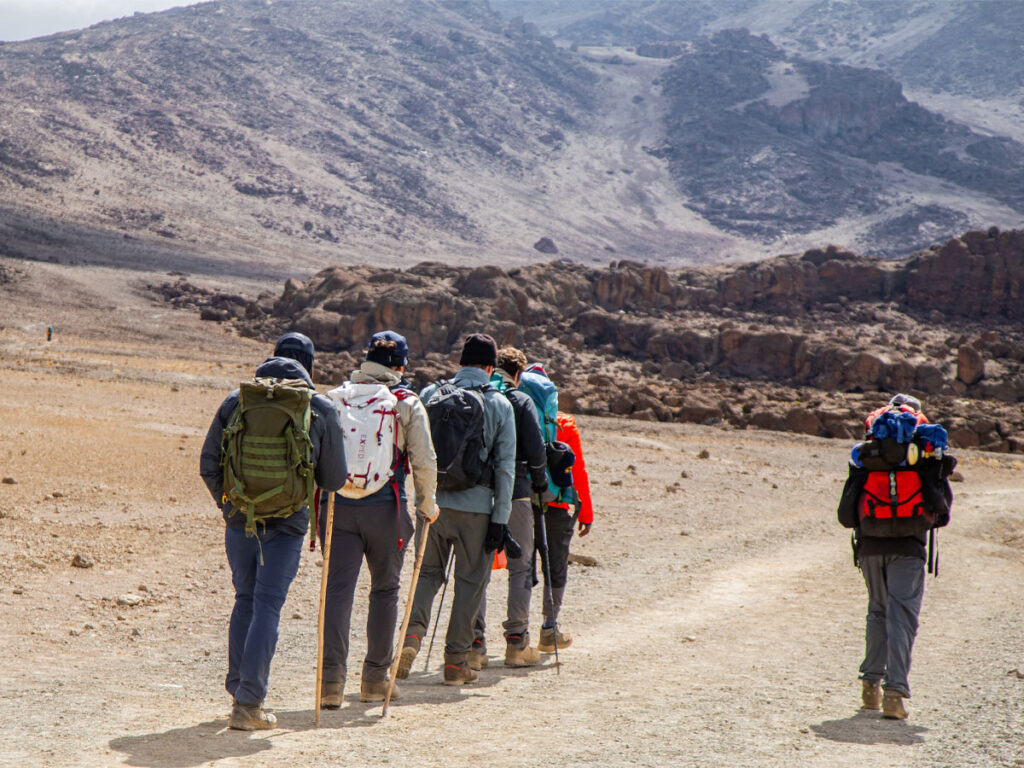
The 6 days Lemosho journey offers a continuous transformation of landscapes. You begin in a dense rainforest filled with wildlife and rich vegetation. As you ascend, the environment opens into wide moorlands and volcanic plains. Higher up, the terrain becomes rocky and barren, leading into the alpine desert and finally the icy summit zone.
Each day on the 6 days Lemosho route presents a new environment, keeping the trek exciting and visually stunning from start to finish.
Accommodation during the 6 days Lemosho climb is in high-quality mountain tents. You will be supported by a professional team of guides, cooks, and porters who ensure your comfort and safety. Camps are set up in scenic locations, providing a true wilderness experience on Mount Kilimanjaro.
The 6 days Lemosho route includes a key acclimatization strategy known as “climb high, sleep low,” especially on the Lava Tower day. However, due to the shorter duration, acclimatization time is more limited compared to 7 or 8-day routes.
For this reason, the 6 days Lemosho climb is best suited for:
The 6 days Lemosho route is considered moderately challenging to demanding. The shorter duration means longer hiking days and faster altitude gain. While no technical climbing skills are required, strong fitness and mental determination are essential for success.
The best time for the 6 days Lemosho climb is during:
The 6 days Lemosho route offers an unforgettable adventure to the summit of Mount Kilimanjaro. With breathtaking scenery, a challenging ascent, and the ultimate reward of standing on Uhuru Peak, this trek is perfect for those seeking a fast-paced but truly iconic experience.
👉 Book your 6 days Lemosho climb today and conquer the Roof of Africa!
6 Days | 5 Nights
Lemosho Route
2 Pax Min
Arrive at Kilimanjaro International Airport where you are met after passing through customs. You will be Transferred to Maridadi Hotel in Moshi and have a comprehensive briefing and equipment check with your climbing manager and your guide.
Hiking time: 3–4 hours
Distance: ~6 km
Altitude gain: +550m
Acclimatization: Gentle introduction to altitude
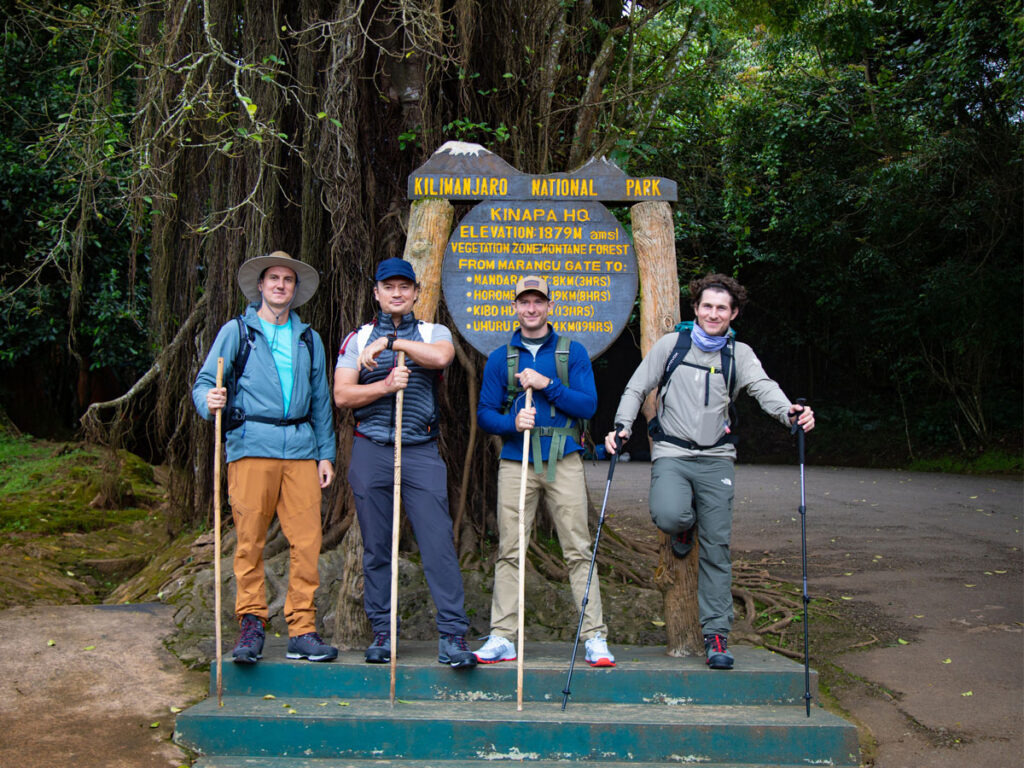
Your climb begins at Lemosho Gate after registration and a full briefing from your guide and crew. The trek starts in a dense tropical rainforest, where the air is humid and the trail is shaded by tall trees covered in moss and vines. The path is relatively gentle but can be muddy, requiring careful footing.
As you move deeper into the forest, you may spot colobus monkeys and hear birds echoing through the canopy. The pace is slow and relaxed, allowing your body to begin adjusting to the change in altitude without strain. This first day is designed to ease you into the trek while building confidence and rhythm for the days ahead.
Hiking time: 7–8 hours
Distance: ~16 km
Altitude gain: +1,200m
Acclimatization: Rapid altitude gain (challenging day)
This is one of the longest and most demanding days of the trek. You leave the rainforest behind and transition into moorland, where vegetation becomes sparse and the terrain opens into wide volcanic plains. The trail gradually climbs onto the Shira Plateau, offering spectacular views of the mountain.
Due to the significant altitude gain, the air becomes noticeably thinner, and you may begin to feel the effects of altitude such as fatigue or mild headaches. Guides maintain a slow, steady pace to help your body cope with the rapid ascent. Hydration, controlled breathing, and frequent breaks are essential throughout the day.
Hiking time: 6–7 hours
Distance: ~10 km
Altitude gain/loss: +780m up / -670m down
Acclimatization: Critical “climb high, sleep low” day
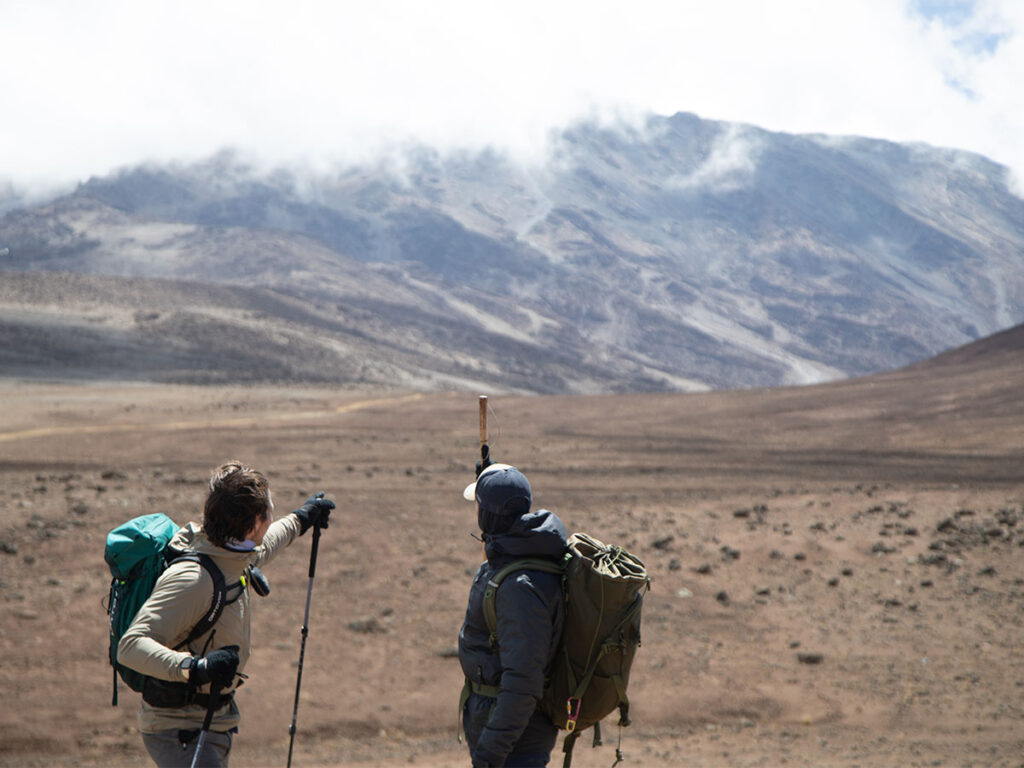
This day plays a crucial role in your acclimatization process. You begin by ascending toward Lava Tower, entering an alpine desert zone where the environment is dry, rocky, and exposed. The altitude gain makes the hike more physically demanding, and breathing becomes more difficult.
At Lava Tower, you reach over 4,600 meters, exposing your body to high altitude. After spending some time there, you descend to Barranco Camp. This descent is essential, as it allows your body to recover while still benefiting from high-altitude exposure. Barranco Camp is one of the most scenic camps, surrounded by towering cliffs and unique giant plants.
Hiking time: 4–5 hours
Distance: ~5 km
Altitude gain: +75m (with ups and downs)
Acclimatization: Continued adaptation
The day begins with the famous Barranco Wall, a steep rock face that requires some scrambling but is not technical. With guidance from your crew, you navigate this section safely, often using your hands for balance. Reaching the top is a rewarding moment with incredible views of the surrounding valleys.
After the wall, the trail continues through a series of ridges and valleys. Although the overall altitude gain is small, the constant ups and downs help your body continue adapting. The pace remains slow and steady, ensuring you conserve energy while preparing for the higher camps ahead.
Hiking time: 3–4 hours
Distance: ~4 km
Altitude gain: +605m
Acclimatization: Final preparation for summit
This is a shorter trekking day, but the altitude makes it more challenging. The landscape becomes barren and rocky, with strong winds and cold temperatures. Oxygen levels are low, and even simple movements require more effort.
Upon arrival at Barafu Camp, you rest and prepare for the summit attempt. Your guide provides a detailed briefing, and you organize your gear for the night climb. Dinner is served early, and you attempt to sleep for a few hours before waking around midnight. Mental preparation becomes key at this stage.
Hiking time: 12–15 hours
Distance: ~20 km
Altitude gain/loss: +1,255m up / -4,255m down
Acclimatization: Summit push and rapid descent
Summit day is the most demanding part of the climb. You begin your ascent around midnight in freezing conditions, using headlamps to guide the way. The climb is slow and steady, with frequent stops to catch your breath due to the high altitude.
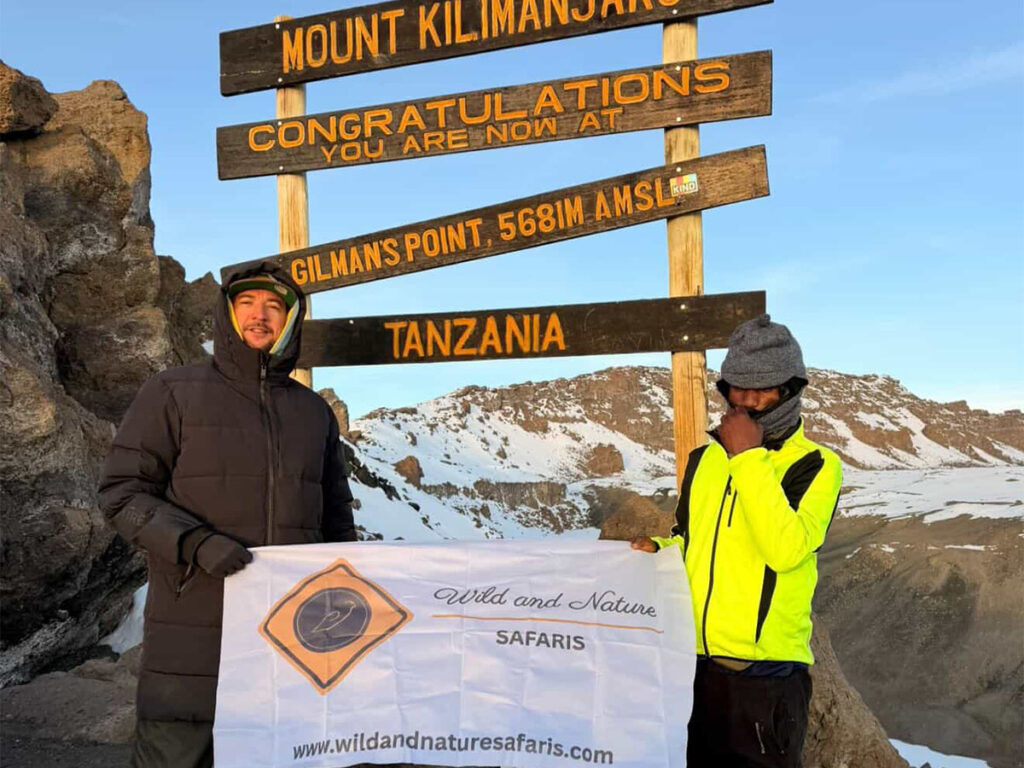
Reaching Stella Point at sunrise is a major milestone, followed by the final push to Uhuru Peak—the highest point in Africa. Standing at the summit is a powerful and emotional achievement. After celebrating, you begin a long descent through alpine desert and rainforest zones. The descent is tough on the legs but easier on breathing as oxygen levels increase. At Mweka Gate, you receive your summit certificate, marking the successful completion of your climb on Mount Kilimanjaro.
Don’t worry! If you can’t find a tour that matches your preferences, our team of experts is here to help. Simply contact us, and we’ll craft a personalized itinerary designed around your interests, schedule, and budget.