Authentic Tanzania Safari & Mount Kilimanjaro Experts
Authentic Tanzania Safari & Mount Kilimanjaro Experts
The 7 Days Lemosho Kilimanjaro Climb is one of the most scenic and highly recommended routes to the summit of Mount Kilimanjaro. Known for its remote start, low crowds, and excellent acclimatization profile, the 7 Days Lemosho Kilimanjaro Climb offers trekkers a balanced combination of adventure, safety, and breathtaking landscapes as they ascend to Uhuru Peak (5,895m).
This route begins on the western side of the mountain, passing through lush rainforest before crossing the vast Shira Plateau. As the journey continues, climbers experience diverse ecological zones including moorland, alpine desert, and finally the icy arctic summit zone. The gradual ascent of the 7 Days Lemosho Kilimanjaro Climb significantly improves acclimatization and increases summit success rates compared to shorter routes.
The 7 Days Lemosho Kilimanjaro Climb is ideal for trekkers seeking a quieter and more scenic route with a higher chance of reaching the summit. Starting from a remote gate, it offers a peaceful trekking experience away from crowded trails. The route is also known for its excellent acclimatization strategy, including natural “climb high, sleep low” sections that help the body adjust to altitude.
It is suitable for both first-time climbers and experienced hikers who want a safe, scenic, and rewarding journey to the roof of Africa.
Accommodation on the 7 Days Lemosho Kilimanjaro Climb is in well-equipped mountain tents. Each campsite includes sleeping tents, dining tents, and a support crew of guides, cooks, and porters. While basic, the setup is comfortable and designed to support proper rest and acclimatization throughout the climb.
The 7 Days Lemosho Kilimanjaro Climb offers a high summit success rate due to its gradual ascent and built-in acclimatization stages. Climbers have more time to adapt to altitude changes, reducing the risk of altitude sickness and improving overall performance on summit night.
The 7 Days Lemosho Kilimanjaro Climb is one of the best routes for reaching the summit of Mount Kilimanjaro. With its scenic beauty, low crowd levels, and strong acclimatization profile, it is a top choice for trekkers seeking both adventure and a higher chance of success on the Roof of Africa.
7 Days | 6 Nights
Lemosho Route
2 Pax Min
Arrive at Kilimanjaro International Airport where you are met after passing through customs. You will be Transferred to Maridadi Hotel in Moshi and have a comprehensive briefing and equipment check with your climbing manager and your guide.
Hiking time: 3–4 hours | Distance: ~6 km | Acclimatization: Gentle rainforest adaptation
Your adventure begins at Lemosho Gate after registration and final briefing with your mountain team. The trek starts deep inside a lush rainforest where humidity is high and vegetation is dense. The trail is soft, sometimes muddy, and surrounded by giant trees, vines, and rich birdlife.
As you hike slowly through this green environment, your guide emphasizes “pole pole” (slowly, slowly), allowing your body to gently adjust to altitude changes. You may spot colobus monkeys jumping through the canopy. By the time you arrive at Mti Mkubwa Camp, you are already entering the rhythm of mountain life simple, peaceful, and deeply connected to nature.
Hiking time: 5–6 hours | Distance: ~8 km | Acclimatization: Moderate altitude gain
The morning begins with a gradual climb out of the rainforest. As you ascend, trees become smaller and eventually give way to heather and moorland vegetation. The air becomes cooler and thinner, and your breathing slightly deeper as altitude increases.
This is your first major transition day, where the landscape suddenly opens into vast volcanic plains. The Shira Plateau appears wide and dramatic, with Kibo Peak rising in the distance. The trekking pace remains slow and steady, ensuring your body adapts comfortably while conserving energy for higher camps.
Hiking time: 3–4 hours | Distance: ~7 km | Acclimatization: Active acclimatization day
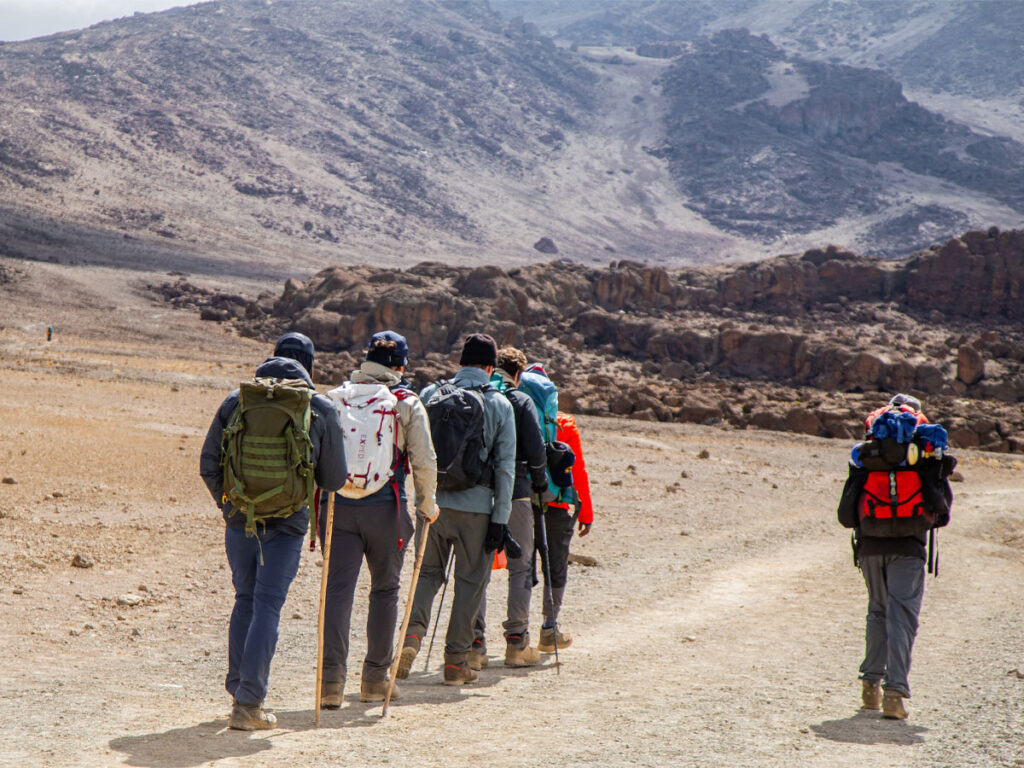
This is a relatively relaxed trekking day across the Shira Plateau. The ground is rocky and open, offering panoramic views in every direction. The shorter hiking time allows your body to adjust to higher elevation without stress.
In the afternoon, you may take an optional acclimatization walk to higher ground before returning to camp. This “climb high, sleep low” approach helps your body produce more red blood cells and improves oxygen efficiency. Even though the day feels easy, it plays a critical role in summit preparation.
Hiking time: 6–7 hours | Distance: ~10 km | Acclimatization: Critical high-altitude exposure
Today is one of the most important acclimatization stages. You climb steadily toward Lava Tower, where the environment becomes harsh and oxygen noticeably thinner. Many trekkers feel mild fatigue or headache here, which is normal and part of adaptation.
After spending time at high altitude, you descend into Barranco Valley. This descent is essential for recovery, allowing your body to adjust while benefiting from high-altitude exposure. Barranco Camp is one of the most scenic camps, surrounded by giant senecio plants and dramatic cliffs below the Barranco Wall.
Hiking time: 4–5 hours | Distance: ~5 km | Acclimatization: Steady adaptation
The day begins with the famous Barranco Wall climb. This steep section looks intimidating but is non-technical and often climbed using hands for balance. Reaching the top provides a strong sense of achievement and incredible views over the valley below.
After the wall, the trail undulates through ridges and valleys. The pace is controlled and steady, with frequent breaks. Even though altitude gain is small, your body continues adapting while conserving energy for the summit push. Karanga Camp is reached by early afternoon for rest and recovery.
Hiking time: 3–4 hours | Distance: ~4 km | Acclimatization: Summit preparation phase
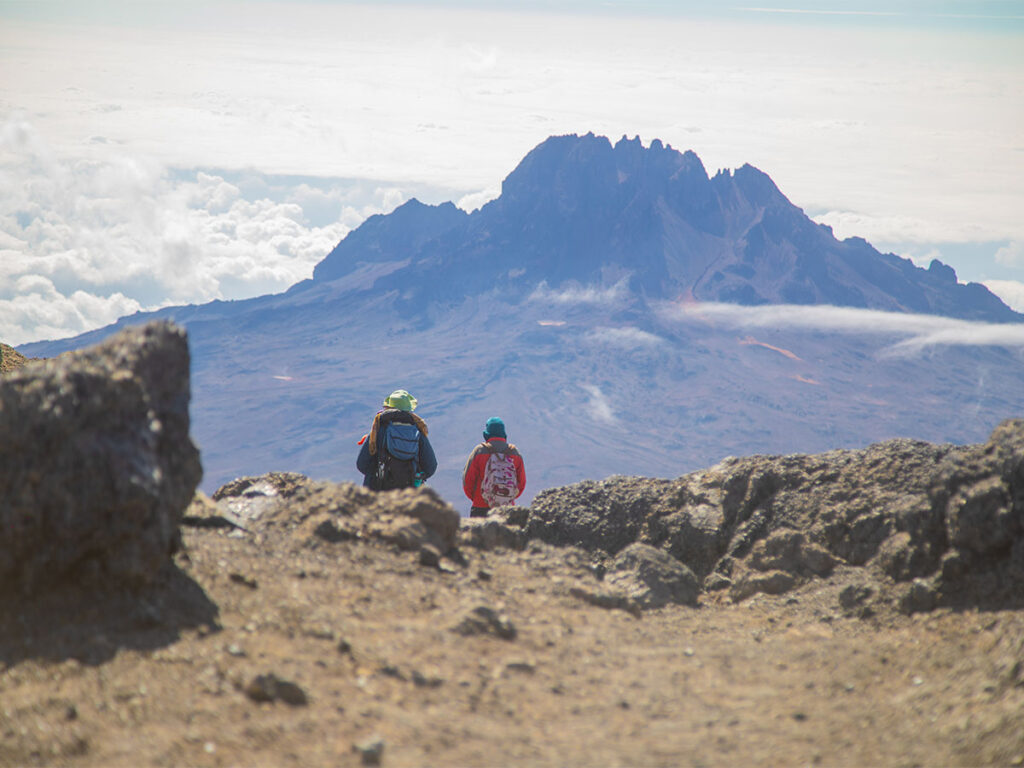
You ascend gradually into a colder, more barren environment. Vegetation disappears completely, replaced by volcanic rock and dust. Oxygen levels are lower, and walking becomes slower and more deliberate.
Barafu Camp is exposed and windy, with very basic conditions. After arriving, you rest, hydrate, and prepare equipment for the summit attempt. Dinner is served early, and climbers try to sleep a few hours before being woken around midnight. Mental preparation becomes just as important as physical readiness.
Hiking time: 10–14 hours | Distance: ~17 km | Acclimatization: Summit achievement
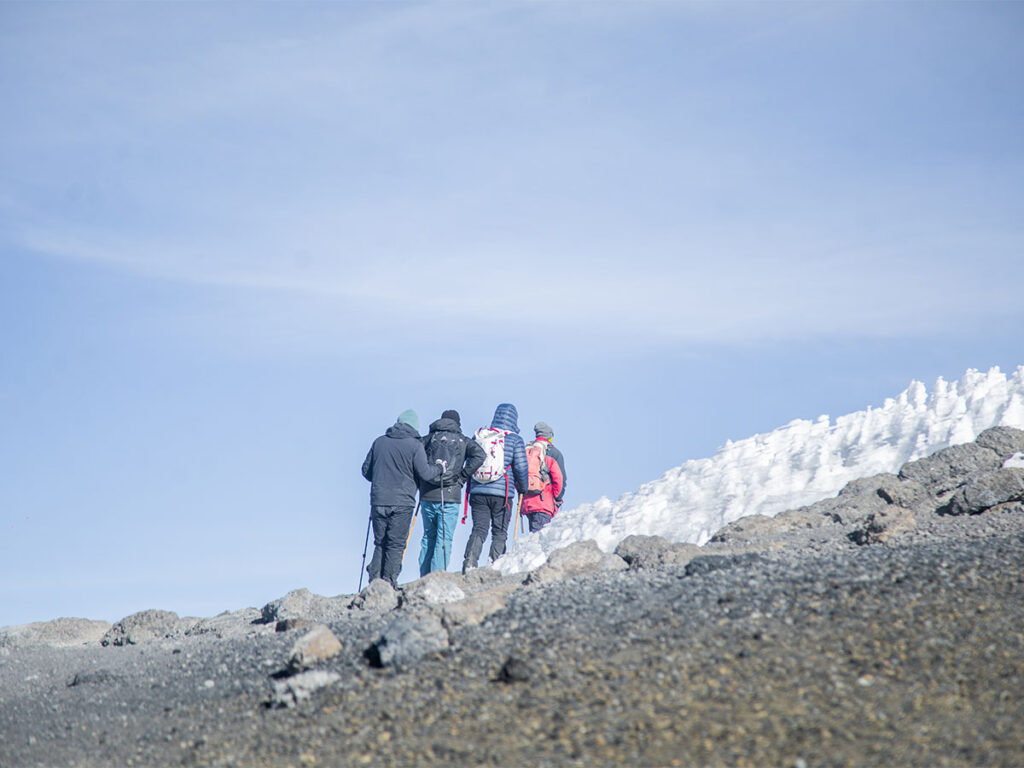
Summit night begins in total darkness and freezing temperatures. You climb slowly and rhythmically, often stopping every few minutes to rest and control breathing. The steep ascent to Stella Point is the toughest section of the entire climb.
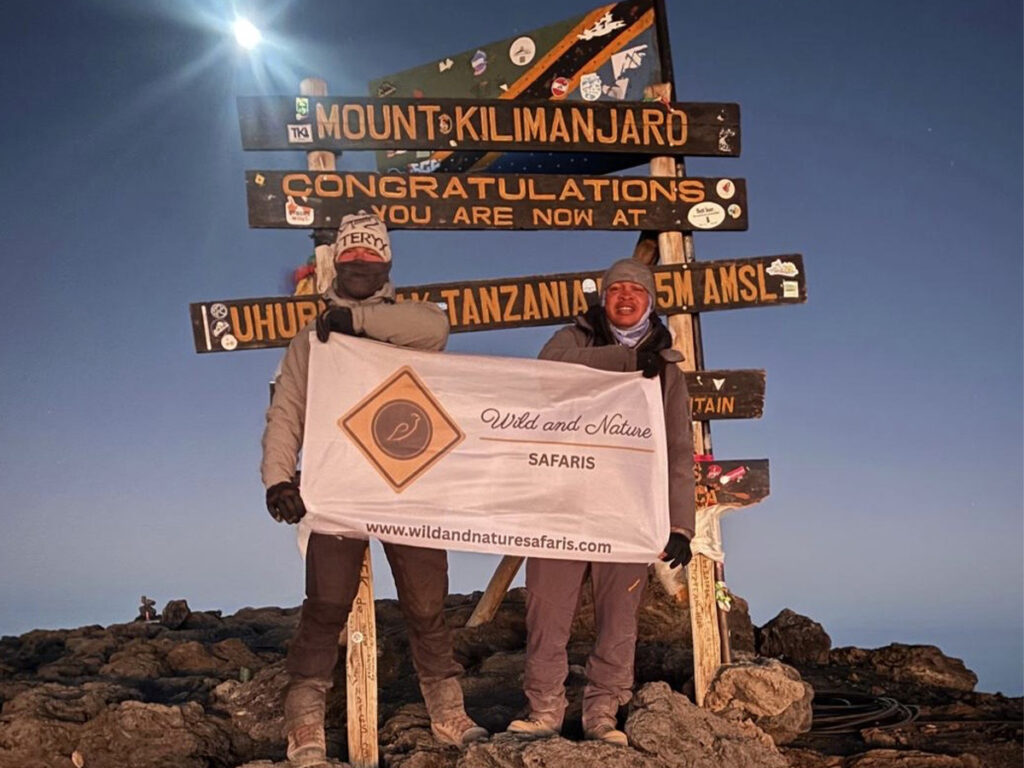
Reaching the crater rim at sunrise is unforgettable. From here, you continue to Uhuru Peak the highest point in Africa. After photos and celebration, you begin a long descent through glaciers, alpine desert, and rainforest zones. The air becomes richer as you descend, but fatigue increases in the legs. At Mweka Gate, you receive your certificate and complete your journey on Mount Kilimanjaro.
Don’t worry! If you can’t find a tour that matches your preferences, our team of experts is here to help. Simply contact us, and we’ll craft a personalized itinerary designed around your interests, schedule, and budget.