Authentic Tanzania Safari & Mount Kilimanjaro Experts
Authentic Tanzania Safari & Mount Kilimanjaro Experts
Lake Manyara National Park is a unique and scenic destination in northern Tanzania. The park is dominated by the expansive Lake Manyara, which is the centerpiece of the park and provides a crucial source of water for the park’s diverse wildlife.
The park covers approximately 330 square kilometers and boasts a diverse landscape that includes dense forests, open grasslands and acacia forests. This diversity of habitats makes the park an ideal destination for wildlife enthusiasts interested in a wide range of animal species.
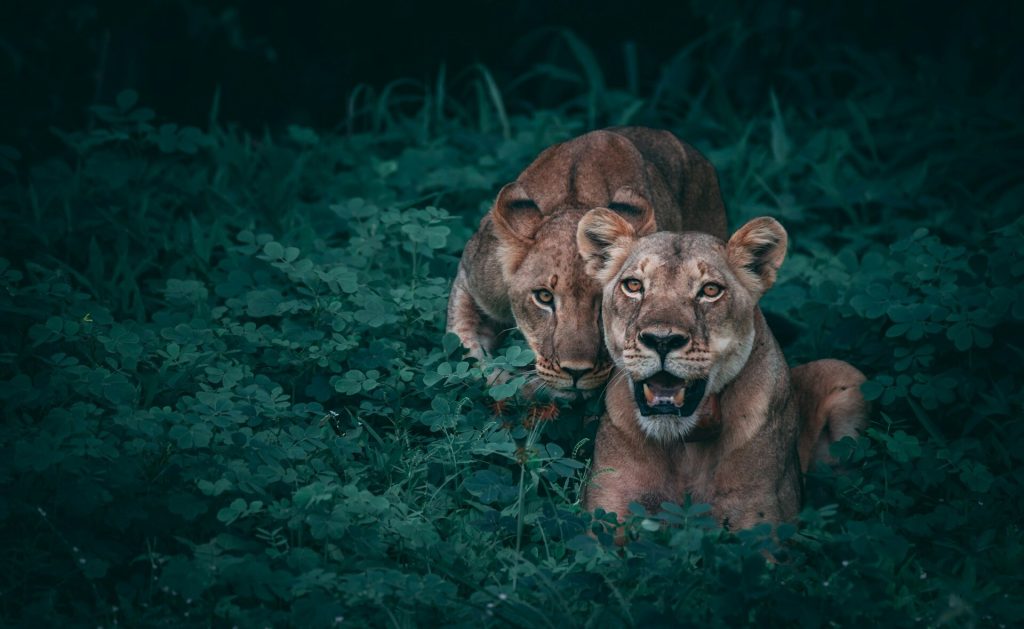
One of the main attractions of the park is the tree-climbing lion. This unique behavior is not seen in other lion populations and is thought to be a response to the park’s dense vegetation, which makes it easier for lions to climb trees to escape heat or insects on the ground. The park is also home to other large game animals such as elephants, giraffes, buffaloes, zebras and hippos, as well as various species of antelope.
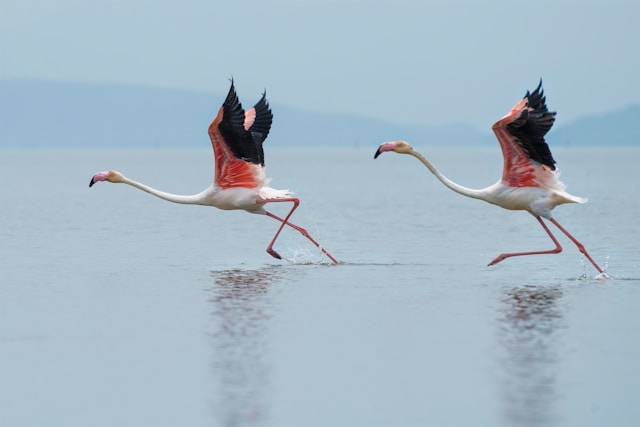
The park is famous for its bird life, which includes more than 400 species. The lake itself is home to thousands of flamingos, as well as pelicans, storks and many other waterfowl. The forests within the park are also home to many species of birds, including the silver-cheeked hornbill, which is endemic to the region.

There are many ways to explore the park, including game drives, guided walks and mountain bike tours. For those interested in cultural experiences, there is the option of a guided tour of the nearby village of Mto wa Mbu or a visit to the nearby hot springs.
The best time to visit Lake Manyara National Park is during the dry season, which lasts from June to October. During this time, the weather is cool and dry, and wildlife is easier to see as they congregate around the lake and other water sources. However, the park can be visited all year round and each season offers unique experiences. The short rainy season from November to December is a particularly good time for bird watching, as the park’s bird population is at its peak during this period.
All in all, Lake Manyara National Park is an incredible destination that offers a unique blend of wildlife, natural beauty and cultural experiences. Whether you are a seasoned safari visitor or a first time visitor, this park is sure to leave a lasting impression.
The best time to visit Lake Manyara National Park is during the dry season, which lasts from June to October. During this time, the weather is usually dry and cool, and wildlife is easier to see as they congregate around the lake and other water sources. At this time, the vegetation is also less dense, which makes it easier to spot animals. Also, the dry season coincides with the peak tourist season in Tanzania, which means more accommodation and excursions are available.
However, the park can be visited all year round and each season offers unique experiences. The short rainy season from November to December is a particularly good time for bird watching, as the park’s bird population is at its peak during this period. The wet season from March to May can be more challenging for wildlife viewing as vegetation is denser and wildlife more scattered. However, the rainy season has its own unique beauty, the landscape becomes green and lush, and many migratory birds come to the park.
Ultimately, the best time to visit Lake Manyara National Park depends on your interests and preferences. If you’re primarily interested in wildlife viewing and wildlife photography, the dry season is probably best for you. However, if you’re a birder or want to see the park’s lushest and most vibrant scenery, the wet season can be an ideal time to visit.
Lake Manyara National Park, located in Tanzania, offers a range of activities for visitors to enjoy its diverse wildlife and stunning landscapes in a short visit. Here are some activities you can do:
Lake Manyara National Park, located in Tanzania, is renowned for its diverse wildlife despite its relatively small size. Here’s a brief overview of the wildlife you can find there: