Authentic Tanzania Safari & Mount Kilimanjaro Experts
Authentic Tanzania Safari & Mount Kilimanjaro Experts
The 7 days Machame Route is one of the most scenic and successful ways to climb Mount Kilimanjaro. Known as the “Whiskey Route,” the 7 days Machame Route offers dramatic landscapes, diverse vegetation zones, and excellent acclimatization, making it a top choice for climbers seeking both beauty and success.
With an extra day on the mountain, the 7 days Machame Route significantly improves summit success rates by allowing your body more time to adjust to the altitude. As you follow the 7 days Machame Route, you will pass through lush rainforest, open moorland, alpine desert, and rugged high-altitude terrain, each stage offering unique and breathtaking scenery.
The 7 days Machame Route is especially valued for its varied landscapes and panoramic views, giving climbers a rich and rewarding trekking experience. From the first step to the final ascent, the 7 days Machame Route provides a well-paced journey that balances challenge and comfort.
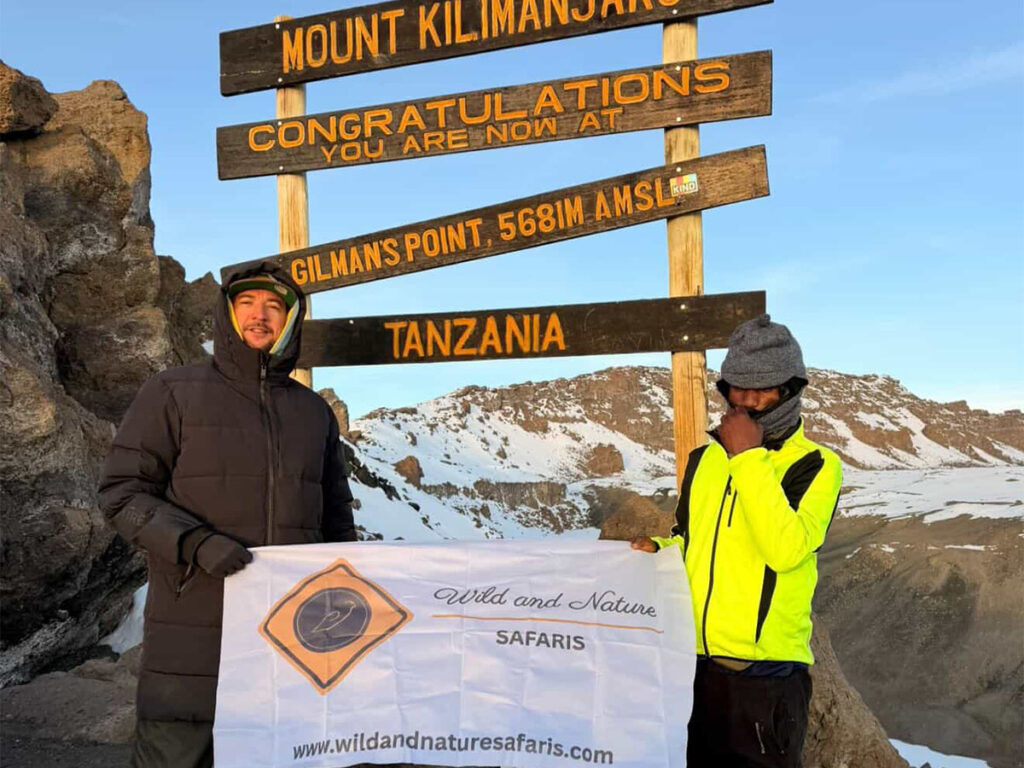
Your adventure on the 7 days Machame Route reaches its peak at Uhuru Peak (5,895m), the highest point in Africa, where unforgettable sunrise views reward your effort. Combining natural beauty, effective acclimatization, and a high success rate, the 7 days Machame Route is one of the best options for reaching the summit of Kilimanjaro.
7 Days | 6 Nights
Machame Route
2 Pax Min
The climb begins at Machame Gate after registration and briefing. You immediately enter the lush rainforest zone, where thick vegetation surrounds the trail and wildlife such as black-and-white colobus monkeys and tropical birds are commonly seen. The path is often slippery due to frequent rainfall, requiring careful footing. As you ascend, the air becomes cooler and the forest more misty. After several hours of steady trekking, you arrive at Machame Camp, located within the forest edge, where you enjoy dinner and your first night on the mountain.
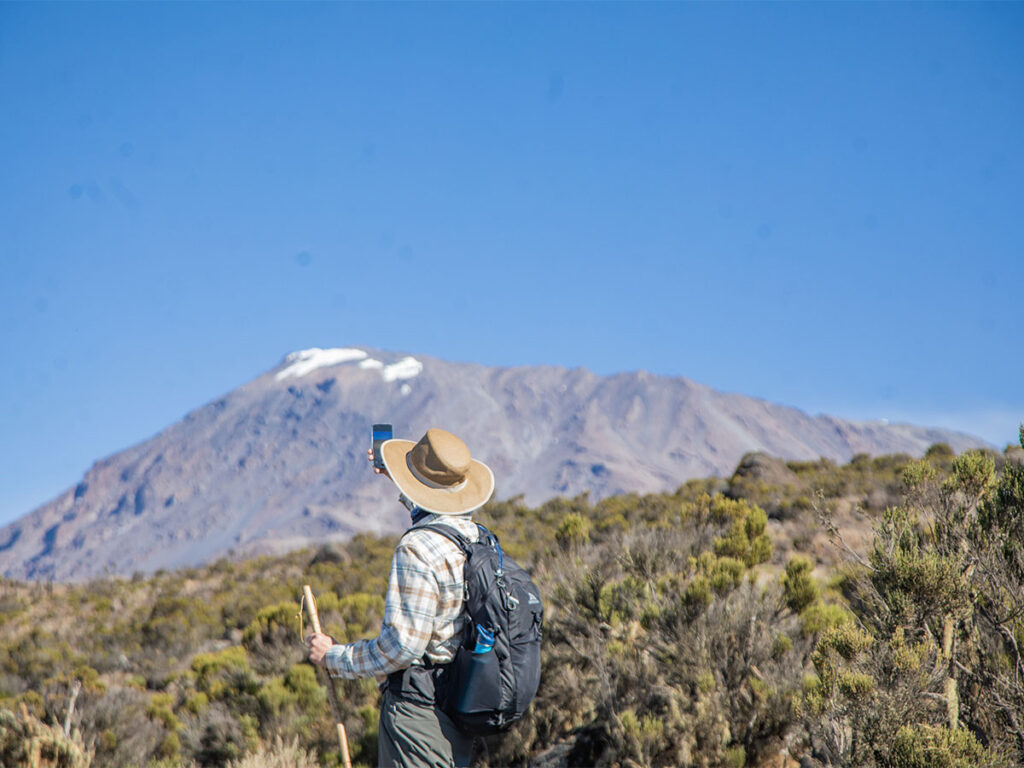
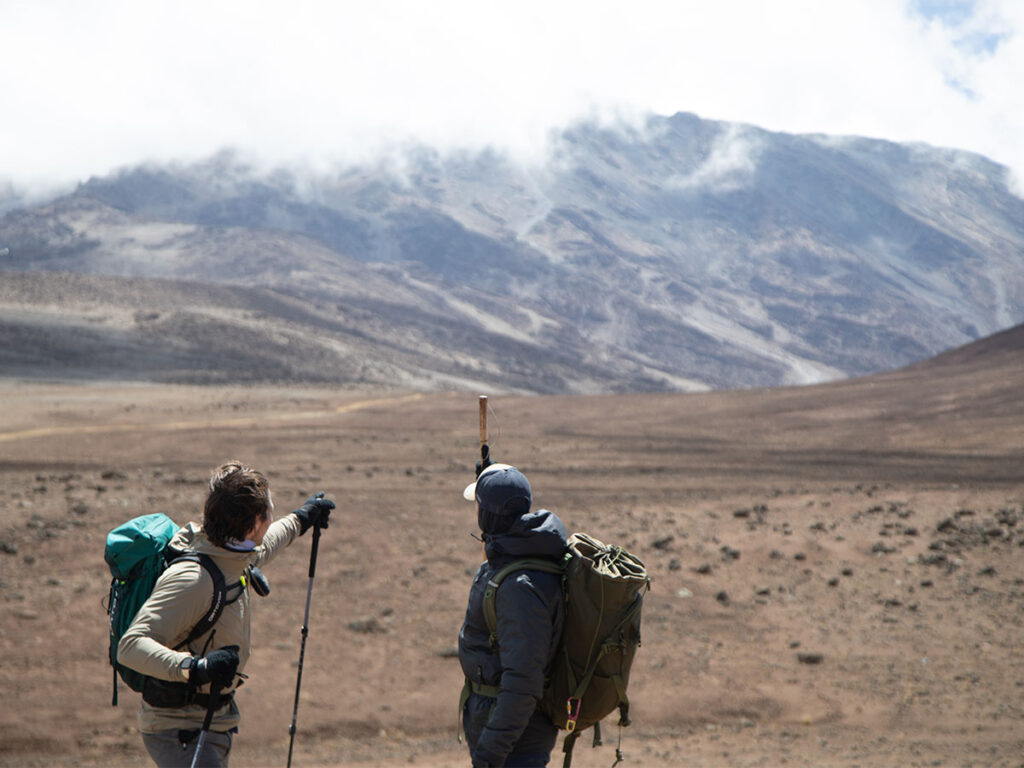
Today’s hike takes you out of the rainforest and into the heath and moorland zone. Vegetation becomes sparse, replaced by giant lobelias, heathers, and rocky slopes. The trail is steeper in some sections, but the views open up dramatically, revealing Kibo Peak in the distance when weather permits. Temperatures drop noticeably as altitude increases. Shira Camp is located on a wide plateau with expansive views, offering a peaceful but cold environment for overnight acclimatization.
This is a key acclimatization day designed to prepare your body for high altitude. You ascend steadily to Lava Tower, where oxygen levels are significantly lower and temperatures are harsh. After spending time at high altitude for acclimatization, you descend to Barranco Camp. This “climb high, sleep low” strategy is crucial for reducing altitude sickness risk and improving summit success. Barranco Camp sits in a dramatic valley beneath the towering Barranco Wall, creating one of the most scenic camps on the route.
The day begins with the famous Barranco Wall, a steep but non-technical climb requiring careful scrambling. Although it looks intimidating, it is safe and rewarding, offering panoramic views once you reach the top. After the wall, the trail continues through rolling ridges and valleys with minimal vegetation.
The air is thinner, and movement becomes slower due to altitude. Karanga Camp is reached in the afternoon, where climbers rest, hydrate, and prepare for the final ascent phase.
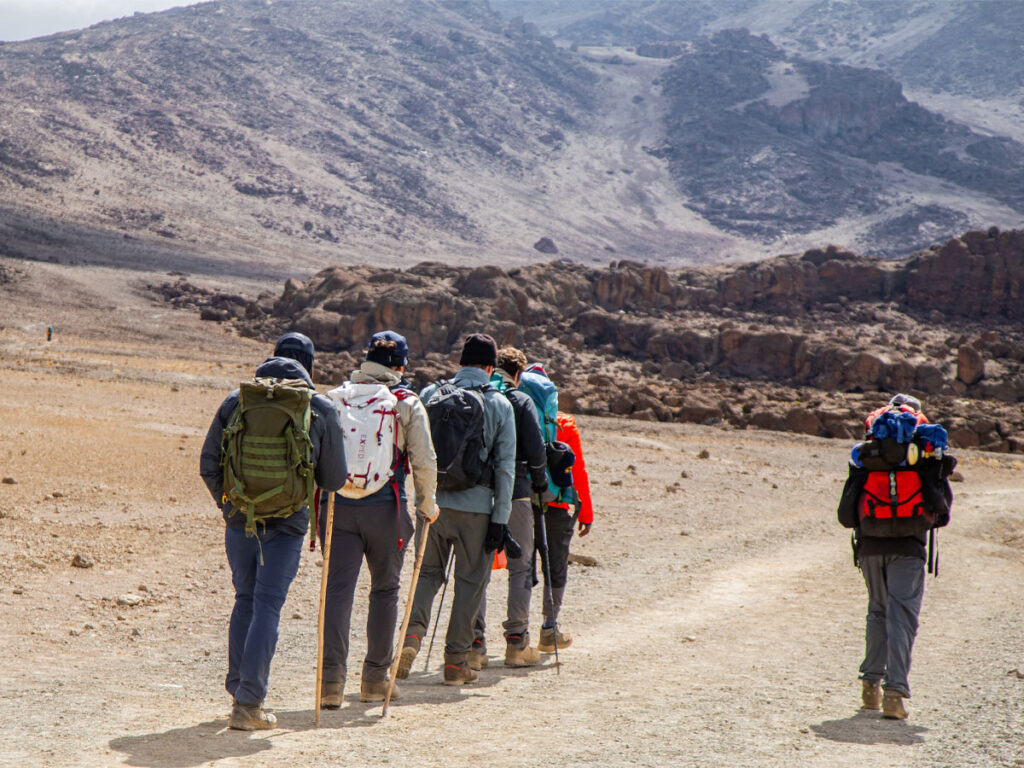
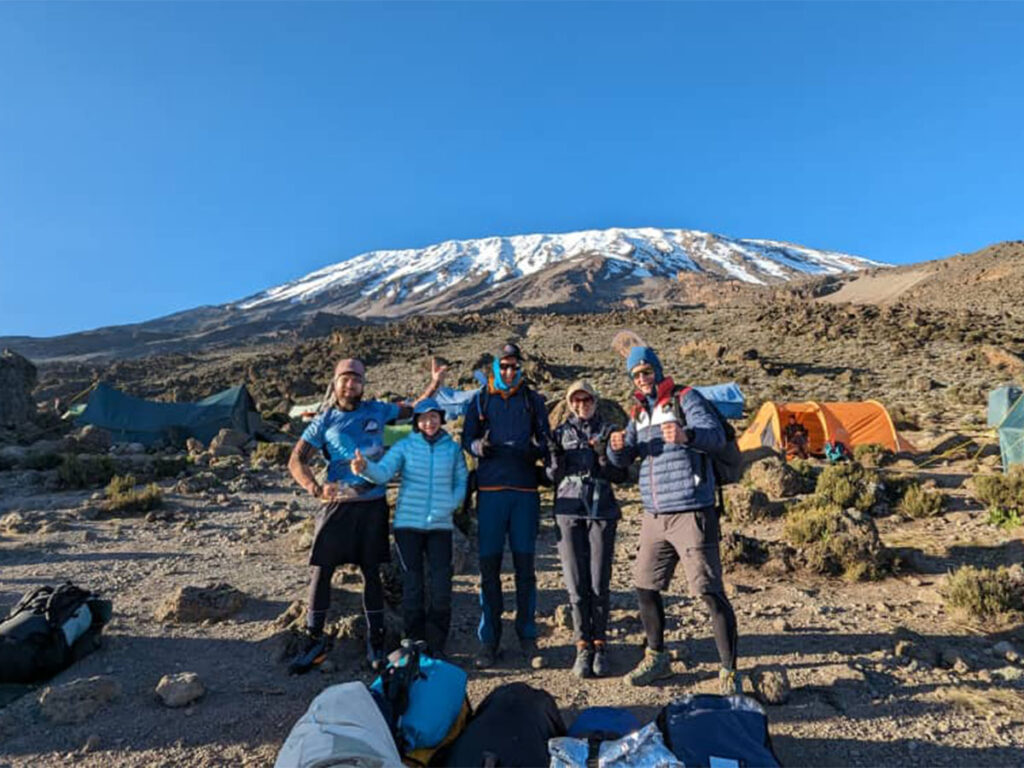
The landscape becomes increasingly harsh and lifeless as you approach Barafu Camp. Vegetation disappears completely, replaced by volcanic rock and exposed ridges. This is the final base camp before summit night, and the environment is cold and windy even during the day. Upon arrival, climbers rest early, eat an early dinner, and attempt to sleep in preparation for the midnight summit push. Proper hydration and mental preparation are essential at this stage.
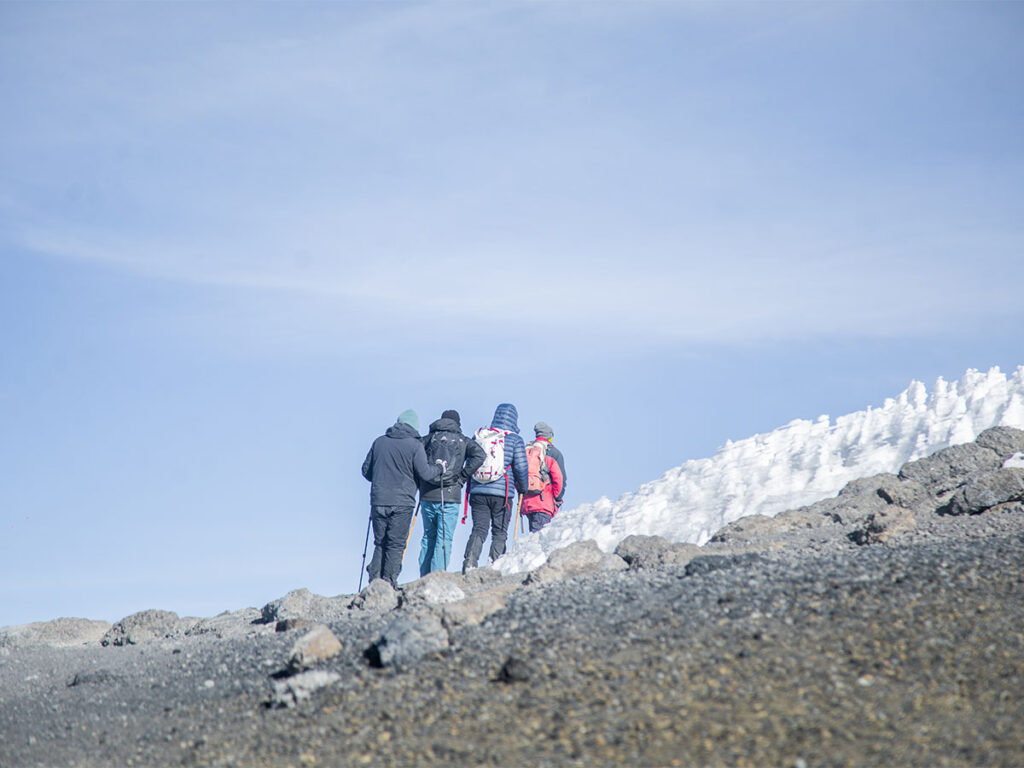
Summit day begins around midnight under freezing conditions. Climbers ascend slowly in darkness using headlamps, moving step by step through volcanic scree and steep slopes. The air is extremely thin, making every step demanding. After several hours, you reach Stella Point, followed by the final push to Uhuru Peak—the highest point in Africa. After a short celebration and photos, you begin a long descent back to Barafu Camp for rest, then continue down to Mweka Camp for overnight recovery. This is the most physically demanding day of the entire climb.
The final descent is much easier physically but still requires caution due to steep and sometimes slippery trails. As you descend, oxygen levels increase and breathing becomes easier. The rainforest returns with lush vegetation, birdsong, and tropical warmth. At Mweka Gate, climbers receive official summit certificates before being transferred back to Moshi , marking the end of an unforgettable adventure.
Don’t worry! If you can’t find a tour that matches your preferences, our team of experts is here to help. Simply contact us, and we’ll craft a personalized itinerary designed around your interests, schedule, and budget.