Authentic Tanzania Safari & Mount Kilimanjaro Experts
Authentic Tanzania Safari & Mount Kilimanjaro Experts
Many first-time hikers frequently enquire, “What are the dangers of climbing Kilimanjaro?” and “Is climbing Kilimanjaro safe?” It’s understandable to be anxious about your safety when embarking on an adventure to Africa’s tallest mountain. Although climbing Mount Kilimanjaro does not require specialized skills, hikers must prepare, travel at a reasonable pace, seek professional assistance, and recognize the dangers of high altitude to stay safe.
At Wild and Nature Safaris, climber safety is our top priority. Our Kilimanjaro expeditions are led by experienced, locally trained mountain guides who follow strict acclimatisation schedules, conduct daily health checks, and carry emergency equipment to ensure every climber has the safest experience possible.
To increase your chances of reaching the summit, it is critical to follow Kilimanjaro’s safety measures. Many unsuccessful climbs result from trekking too fast, becoming dehydrated, or failing to follow directions. Taking your time and following directions considerably improves both safety and summit success.
What to do:
Skilled tour operators and qualified guides monitor climbers throughout the route to ensure safety issues are addressed promptly, and that help is always available.
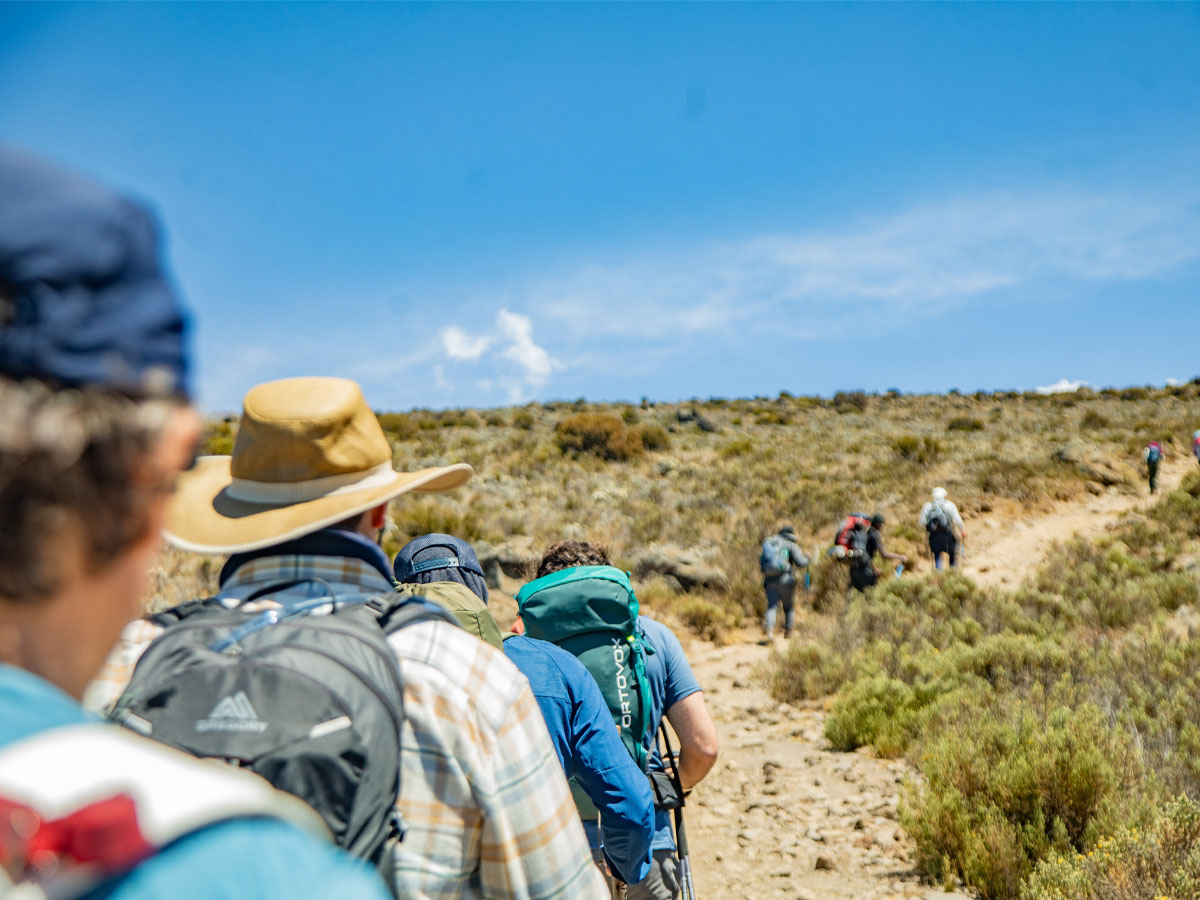
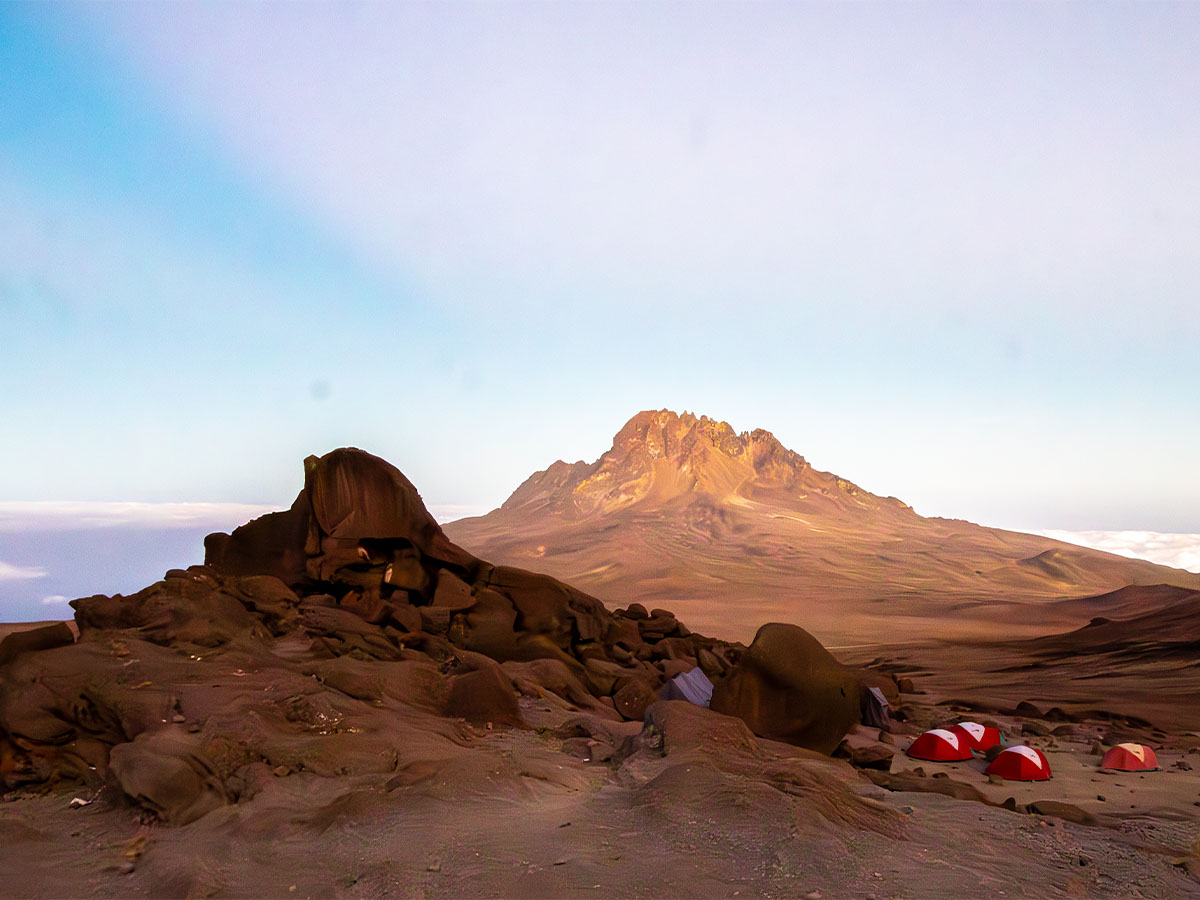
Altitude is a significant challenge on Mount Kilimanjaro. The higher up you go, the lower the oxygen saturation, which is why altitude sickness accounts for most evacuations from the mountain.
Common symptoms of mountain sickness include headaches, nausea, fatigue, dizziness, and shortness of breath. In extreme circumstances, climbers must return to the mountain’s base, as this is the quickest and most efficient way to treat altitude sickness. Some climbers use Diamox to help with altitude acclimatisation, but it should only be taken after consulting a medical professional. However, never disregard how you feel. Always alert your guide if you notice any symptoms, as this is a critical component of Kilimanjaro’s safety protocols.
Hire Expert Tour Guides
If you are planning to climb the tallest mountain in Africa, you’ll need an expert guide. Beyond knowing the terrain, tour guides understand what to expect and can detect symptoms from a distance.
They will conduct regular health checks, guide you through the process, and organise short breaks for snacks and rest. The goal is to reach the top safely, so if the guides believe a person is unfit for the climb, they will arrange for that person to return to the base.
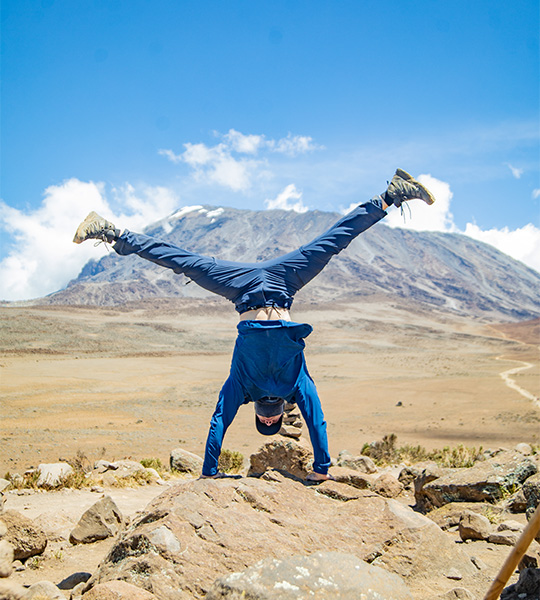
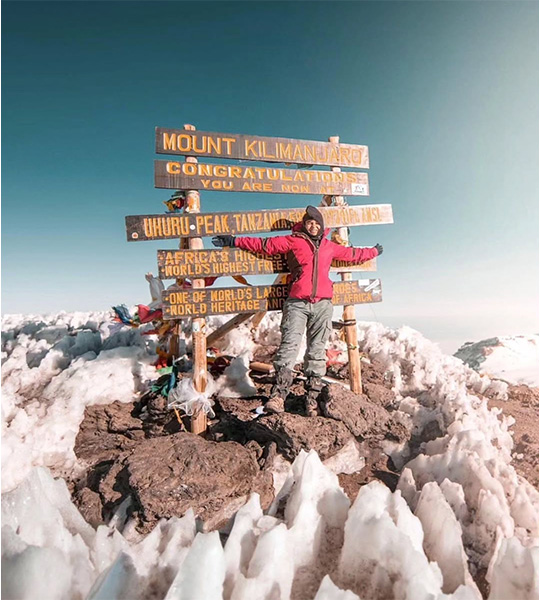
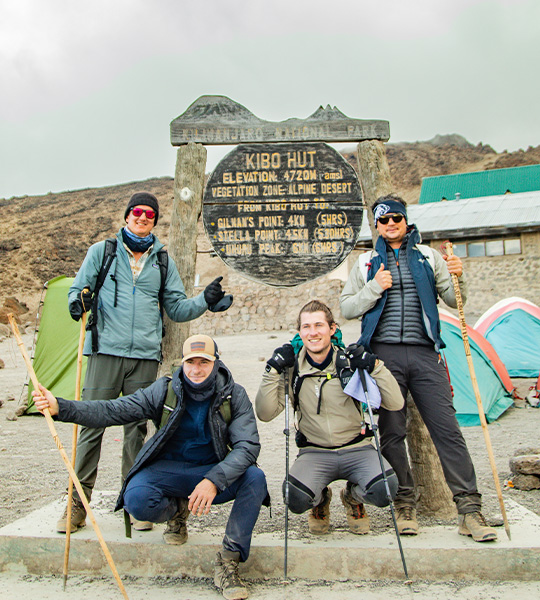
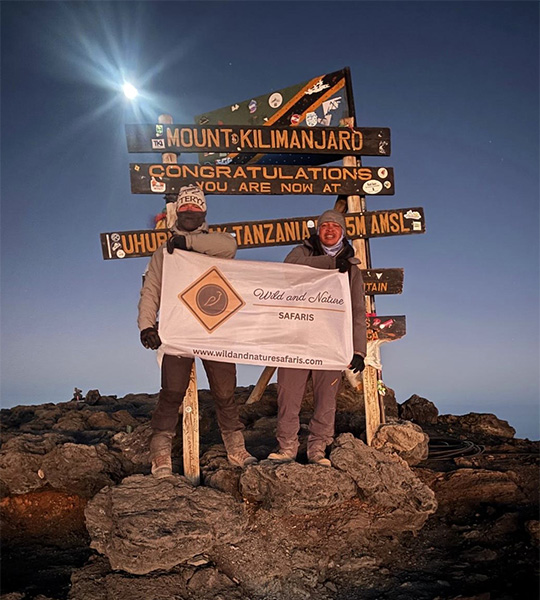
To ensure further safety, the team must be reachable in an emergency. Most groups now carry satellite phones or radios to communicate with base camps and emergency services if necessary.
Here are things you should do before your hike starts:
Planning for emergencies protects you and the rest of the group from potential danger.
In emergencies, your tour guide can provide quick evacuation options, which may include access to safety protocols such as Kilimanjaro helicopter rescue, if the weather permits.
Helicopters are used in extreme medical cases. However, this option is not available for every situation, and you must have paid for it or had it covered by your insurance.
Weather conditions on Kilimanjaro significantly affect safety. Climbers traverse five climatic regions during the ascent, from humid forests to freezing conditions. These rapid fluctuations in temperature and oxygen levels place significant stress on the body. The best way to stay safe in the weather is to wear the right layers.
The night of the summit is taxing, and it’s normal to feel tired. Mini treks and cardiovascular exercise before the hike can help build the endurance needed to tolerate prolonged cold exposure and fatigue safely. The adventure is challenging, but for many climbers, it is one of the most satisfying things they will ever do.
There are seven primary paths leading to Uhuru Peak. Some are more challenging than others, with varying numbers of days. Your Kilimanjaro route will determine much about your trip. Taking longer routes means spending more time on the path and gradually adjusting to the altitude gain. Shorter routes only put more pressure on you and leave you less time to acclimate, which could lead to Acute Mountain Sickness (AMS).
Spending extra days on the mountain improves the success rate of the hike, especially for first-time climbers.
For the finest climbing experience, you must have the proper equipment. Ill-fitting boots, insufficient clothing, or low-quality sleeping bags may lead to frostbite, hypothermia, and exhaustion.
We’ve put together a comprehensive Kilimanjaro packing list for you, and here’s a breakdown of everything you need:
Quality gear will only make your trek more comfortable. Most equipment can be purchased or rented in Moshi or Arusha before the climb, allowing climbers to properly prepare before venturing up the mountain.
Another often overlooked safety factor is comprehensive travel insurance. Your insurance policy should include coverage for high-altitude climbs and emergency rescue. This ensures unhindered access to prompt medical assistance if necessary. Having health insurance allows you to plan better and be ready for anything.
Compared to other technical peaks, Mount Kilimanjaro is a much safer climb. This is because it does not require specialized climbing skills. There is also no risk of avalanches, crevasses, or any need for rope work.
The mountains’ height, however, makes it one of the most severe high-altitude destinations. For many travelers, the question “Is climbing Kilimanjaro safe?” arises not because of the technical challenges but because of the elevation. Regardless, Mount Kilimanjaro remains one of the most-visited places in the world, with a high success rate on climbs.
The risks are significant but manageable, and only by following the outlined safety measures can they be controlled.
So, is climbing Kilimanjaro safe? Yes, it is. There’s no outstanding achievement without dangers. That’s why it is called an adventure. The most successful hikes are the ones that are thoroughly prepared for. From choosing a reliable tour operator to preparing mentally and physically, you are one step closer to your next milestone.
Get familiar with the risks involved and follow all safety measures on the mountain. Climbing Mount Kilimanjaro is a life-changing achievement. Know the risks, and manage them wisely; that’s how to stay safe on the hill.
If you’re planning to climb Mount Kilimanjaro and want expert guidance focused on safety and success, speak with our Kilimanjaro climbing specialists to help you choose the best route and itinerary.
Is Climbing Kilimanjaro Safe For Solo Travelers?
Yes, it is. If you’re traveling solo, you can join guided groups on the same trail. It reduces the risk of isolation.
The fatality rate on Mount Kilimanjaro is very low. It is estimated to be between 0.01% to 0.03%. Only a small number of deaths are recorded.
Yes, a 70-year-old can climb Kilimanjaro. Age is not the only factor that determines a successful climb. Good health, fitness level, and a slow-paced itinerary are more critical.
Don’t worry! If you can’t find a tour that matches your preferences, our team of experts is here to help. Simply contact us, and we’ll craft a personalized itinerary designed around your interests, schedule, and budget.