- +255 697 034 034
- info@wildandnaturesafaris.com
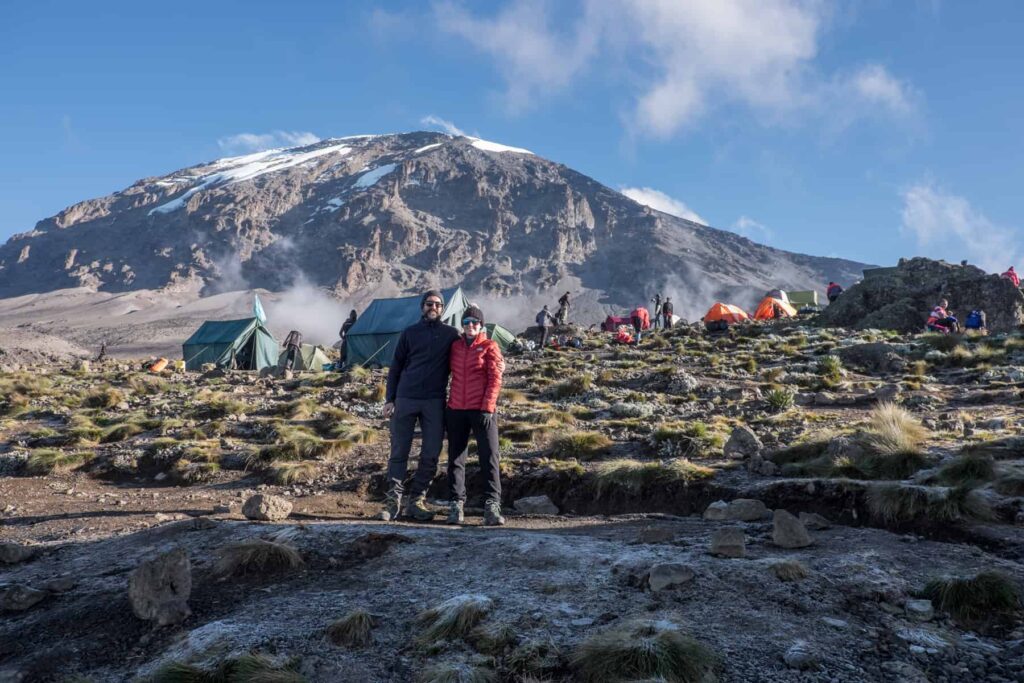
Many outdoor enthusiasts dream of climbing Mount Kilimanjaro. Getting to the top, at 19,341 feet, is an achievement you will always cherish. But getting there isn’t just about being in good shape; the altitude is a significant challenge on your journey to the top.
The thin air as you reach high can catch even a fit human off guard. Being familiar with Kilimanjaro altitude sickness and how it affects the body is one of the best things to help you summit Kilimanjaro safely. When you know what to expect and how to pay attention to yourself, climbing Kilimanjaro can be safer and more fun.
What Is Altitude Sickness
Altitude sickness, also called mountain sickness, is what happens when your body struggles to adjust to the lower oxygen levels at high altitudes.
As you climb higher up the mountain, the air pressure decreases. While the amount of oxygen in the air remains constant (around 21%), the oxygen particles are farther apart. This means each breath gives you less oxygen than you’d get at sea level. Your body then needs to work harder to deliver enough oxygen to your muscles and brain.
Most people begin to feel the effects of Kilimanjaro’s altitude at above 8,000 feet. Since Mount Kilimanjaro’s summit is 19,341 feet, nearly everyone who climbs it will feel some changes in their body. Still, knowing the difference between standard acclimatisation and a dangerous illness is essential.
What Are The Stages Of Altitude Sickness?
It’s a good idea to know the three levels of altitude sickness. Spotting them early can prevent a simple headache from becoming a dangerous situation.
This is the most common and least serious type. It feels similar to a bad hangover.
Symptoms: A mild headache, feeling sick, tired, dizzy, and out of breath when you exercise.
What to do: Take it easy. Drink water. Do not sleep at higher altitudes until you feel better.
This is the deterioration stage, in which fluid builds up in your lungs. It’s a dangerous stage where breathing becomes difficult.
Symptoms: Feeling breathless even when you’re resting, a gurgling sound in your chest, coughing up pink or foaming liquid, and blue lips.
What to do: Descend the mountain immediately. Supplemental oxygen may help as you head down.
This is the critical stage or condition where fluid builds up in the brain. It’s not common, but it’s life-threatening.
Symptoms: Extreme confusion, not being able to walk straight (ataxia), seeing things that aren’t there (hallucinations), and being super tired or in a coma.
What to do: Descend the mountain immediately and get help.
Comparison of Altitude Illness Stages
Condition | Severity | Key Symptoms | Required Action |
AMS | Mild/Moderate | Headache, nausea, loss of appetite. | Rest and hydrate |
HAPE | Wet cough, breathlessness at rest. | Wet cough, breathlessness at rest. | Descend Immediately |
HACE | Confusion, stumbling, irrational behaviour | Confusion, stumbling, irrational behaviour | Descend Immediately |
How to prevent altitude sickness on Kilimanjaro
A saying goes, “Prevention is better than cure.” You definitely can’t change your DNA, but what you can do is reduce your risk of altitude sickness on Kilimanjaro:
Some Kilimanjaro routes are better than others. The more time you spend climbing, the easier it is for your body to get used to the altitude.
Guides will say Pole Pole (slowly, slowly) all the time. It’s not just something they say; it’s vital for your health. Walking slowly keeps your heart rate down and saves your oxygen. If you notice that you’re breathing hard while walking, it means you’re walking too fast.
At high altitudes on the mountain, there’s increased water loss through breathing and sweating. This can cause dehydration, which can worsen the effects of altitude sickness (headache, fatigue).
Your body uses more energy at high altitude. Even if you don’t feel like eating (which is common), try to eat carbohydrates. They give your body good fuel and don’t need as much oxygen to break down as fats or proteins.
Who Suffers Most From Altitude Sickness?
The common belief is that young, fit people can’t get altitude sickness. While this may seem true, in reality, it’s not.
Being in shape doesn’t mean you won’t get sick at high altitudes. In fact, fit people may have a tougher time. They think they’re strong enough to climb quickly and wouldn’t want to take it slow (Pole Pole), as instructed by the guide. Because of this, they end up going faster than their body can get used to the altitude.
It’s difficult to predict who will get sick based on age, gender, or fitness level. The best way to know is how fast you ascend the mountain. Anyone, no matter how fast they run marathons or how muscular they are, can get sick if they climb the mountain too fast.
Do I Need Altitude Sickness Pills For Kilimanjaro?
Many climbers take Diamox (Acetazolamide) to help them acclimate to altitude.
Keep in mind, Diamox helps prevent altitude sickness, but it’s not a cure. If you’re really sick from the altitude, taking the pills won’t help—you’d need to go down the mountain.
What Happens If You Get Altitude Sickness On Kilimanjaro?
At Wild and Nature Safaris, keeping you safe is our top priority. Our guides are trained to monitor your health every day.
We check everyone’s health every morning and evening. We use a pulse oximeter to check your oxygen levels and heart rate. We also ask some questions about how you’re feeling (using the Lake Louise Score).
If you start feeling mild symptoms from the altitude:
If your symptoms get worse, or if things point to HAPE or HACE:
Kilimanjaro Statistics: Safety and Success
You may have come across some scary stats online about climbing Kilimanjaro. Still, it’s usually safe to pick a professional guide who knows exactly what they’re doing.
Kilimanjaro Death Rate: About 10 people out of 30,000+ die each year while climbing Kilimanjaro, which is about 0.03%. This usually occurs because they ignore their body’s symptoms or lack appropriate safety equipment.
Kilimanjaro Success Rate: The success rate depends on how long you take to climb.
Taking a longer route makes it safer and increases your chances of reaching the top of the mountain. It gives your body time to acclimatise to Kilimanjaro’s altitude.
Your Kilimanjaro Adventure Awaits
Climbing Mount Kilimanjaro is a challenging but rewarding experience. While the risk of altitude sickness on Kilimanjaro is real, it is manageable with proper preparation and the right mindset.
By respecting the mountain, listening to your guides, and choosing a route that allows for proper acclimatisation, you are setting yourself up for success. Remember, the mountain isn’t going anywhere. The goal is not just to reach the summit, but to return home safely to share your story.
We look forward to welcoming you to Tanzania and guiding you on the adventure of a lifetime. If you need help deciding your next steps, we’re only one click away. Begin your Kilimanjaro journey here.
Commonly Asked Questions About Altitude Sickness On Kilimanjaro
Around 75% of climbers experience mild symptoms, such as headaches or stomach upset. It’s super common because you go up so fast.
If you’re hit with altitude sickness, the quickest and surest fix is to get to a lower altitude ASAP. Drinking water and resting can ease minor symptoms, but heading down is really the only thing that will stop serious problems.
A lot of people think Kilimanjaro is more challenging because you climb much faster and the path is steeper than when you hike to Everest Base Camp. Going up so quickly makes you more likely to get altitude sickness compared to EBC.
You won’t find mosquitoes way up high, but they’re definitely a risk in the rainforest and towns around there, like Moshi. It’s a good idea to chat with your doctor about preventative medicine before and after your climb.
EXCELLENTVerified Everything was well organized Everything was well organized from pick up to the game drives, I have never felt alone. I truly enjoyed every moment, thank you Wild and Nature Safaris.Posted onVerified Extraordinary Extraordinary safari experience in Tanzania.Our 5 days safari experience in Tanzania, the team was awesome, very flexible with scheduling and they maintained excellent communication. Guide (John) he was awesome, friendly and alot of experience about wildlife, the adventure felt like a true immersion into the nature world rather than a tourist, commercialized experience, we felt like us got excellent value for my money. The level of service equipment and guidance provided was well worth the price. I deeply recommend WILD AND NATURE SAFARIS.Posted onVerified Unforgettable adventure with Wild and Nature Safaris I recently went on a 5 days safari with my friends, and it was one of the best experiences of our lives! From the very beginning, everything was well organized our guide Wiston met us in Arusha on time and made us feel welcome right away.We visited tarangire, serengeti, and Ngorongoro, and each park had something special. Tarangire was full of elephants and baobab trees, serengeti was simply magical with endless plains and buffalo, and the Ngorongoro Crater felt like a natural wonder.Posted onVerified Awesome We had an amazing time. The driver was cool and so was the lunch package. Beautiful nature at Tarangire and despite the park being not huge compared to Ngorongoro and Serengeti but the landscape is breathtaking with alot of Baobab treesPosted onVerified I want to be hour ambassador I want to be ur ambassadorUr company is the best and me i never knew that before also the service that i reseve from you was fantastic Myself i want to be ur ambassadorPosted onVerified Amazing safari Just back from an 8 day safari vacation in Tanzania booked with Wild and Nature Safaris .A huge thanks to Frank for organising an unforgettable trip we could not have asked for better. The trip totally exceeded all of our expectations. Our driver & guide Bill ensured we got to see and do everything we wished for. 10/10 for amazing accommodations and game drives. I will recommend anyone to book this once in a lifetime with Frank at Wild and Nature SafarisPosted onVerified BEST SAFARI EXPERIENCE Adventure of a Lifetime!We just came back from a safari with Wild and Nature Safaris, and had an amazing time! Frank, who helped us with planning the Safari was incredibly responsive, quick to help us customize our trip and offered very competitive pricing. The tour guide we had, Roger was also fantastic. Roger was very knowledgable about the animals and surrounding habitat. He also helped us to tailor our safari trip to best match our interests. At the end of each day we planned out the next day and he gave us various options!Posted onVerified 6 Days of Unforgettable Safari The trip was everything I had hoped for. All the advice I received from Wild And Nature Safaris was spot on and helped ensure the success of the safari. For better and unforgettable experience I will highly recommend you to choose wild and natural safaris.Posted onVerified Best Experience Ever Zanzibar beach safari was a dream. It has exceeded all expectations, the stunning coastlines, crystal clear water and hospitality of the people made it a perfect blend of relaxation. I highly recommend wild and nature safaris for Zanzibar experiencePosted onVerified Great experience Thanks for organising everything for our holiday at Tanzania . First time with Wild And Nature Safaris and found it to be a great experience by the service provided by our guide Ian and the team.The extras activity like Maasai culture tour pass was great inclusion as part of the package.Hoping that there will be more good deals in 2024 as would like to use Wild And Nature Safaris again in the near futureThanksVerified by TrustindexTrustindex verified badge is the Universal Symbol of Trust. Only the greatest companies can get the verified badge who has a review score above 4.5, based on customer reviews over the past 12 months. Read more
Wild and Nature Safaris is a Tanzanian-owned safari company created from our love for adventure, nature, and our beautiful country. We are based in East Africa and we offer unforgettable safaris to Tanzania’s top destinations — including the famous Serengeti, Ngorongoro Crater, Mount Kilimanjaro, and the beautiful beaches of Zanzibar.