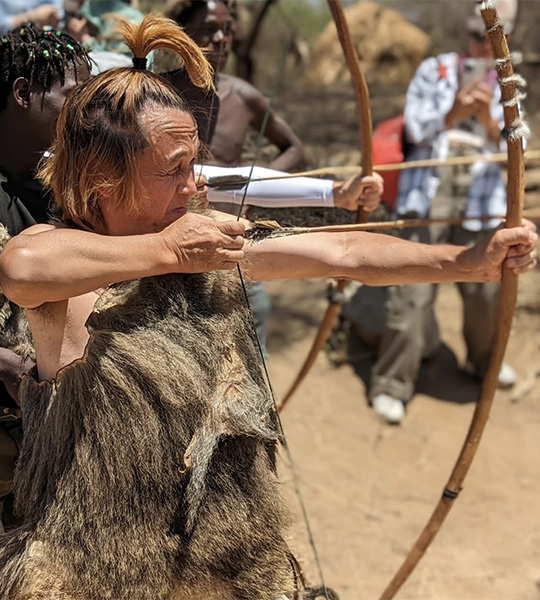
Lake Eyasi is a picturesque creation of the Great Rift Valley. The lakeshore is a home for Hadza and Datooga tribes, absolutely different from each other. Hadza people were nomads in the past, they were living by hunting and gathering and little by little they had settled in this region. Their skill of survival in a wild world is extremely high and, of course, the ability of archery exceeds all expectations. In their turn, Datooga people, in contrast, always occupied with the cattle-breeding and land farming. They were drove to Lake Eyasi by other tribes who had better weapons and numerical preponderance. Being far away from the developing world, Hadza and Datooga people left in a wild state and could retain their way of life. And now, due to this fact, we can plunge in the atmosphere of the primal African life and even go hunting with tribes.
Lake Eyasi is located in northern Tanzania on the floor of the Great Rift Valley. Specifically, it is situated in the Karatu District of the Arusha Region.
Cultural Immersions
Hadzabe Bushmen Experience: Participate in an early morning hunting expedition using traditional bows and arrows. You can also join the women in foraging for wild fruits, tubers, and honey.
Datoga Blacksmithing: Visit a Datoga homestead to watch skilled blacksmiths forge tools, jewelry, and arrowheads using centuries-old techniques.
Tribal Traditions: Witness traditional storytelling, chants, and dances that have remained unchanged for millennia.
Nature & Adventure
Birdwatching: Spot over 350 bird species, including large populations of flamingos, great white pelicans, and storks, particularly during the wet season.
Walking Safaris: Explore the lakeshore, open bushland, and baobab-dotted hills on foot with local guides.
Canoeing & Fishing: During the wet season (typically November to May), the filled lake allows for canoeing and fishing for catfish and lungfish.
Scenic Sundowners: Enjoy the sunset over the salt flats, which provides dramatic views for photography.
Nearby Local Highlights
Ghorofani Market: Visit this active local market held on the 5th of every month.
Karatu Attractions: Combine your trip with visits to coffee plantations or local brick-making workshops in the nearby town of Karatu.

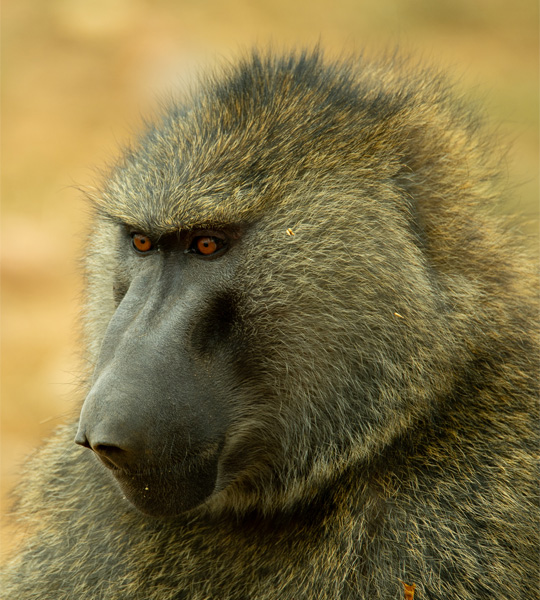
Local areas have poor vegetation that big antelopes need for a livelihood, therefore there are not predators as well as lions, leopards and cheetahs. That is why this place became a good and safe home for small-size animals, such as mongooses, porcupines, hyenas, baboons, wart-hogs, jackals, caracals, genets, waterbucks, dwarf antelopes and vervet monkeys and also for many species of birds.
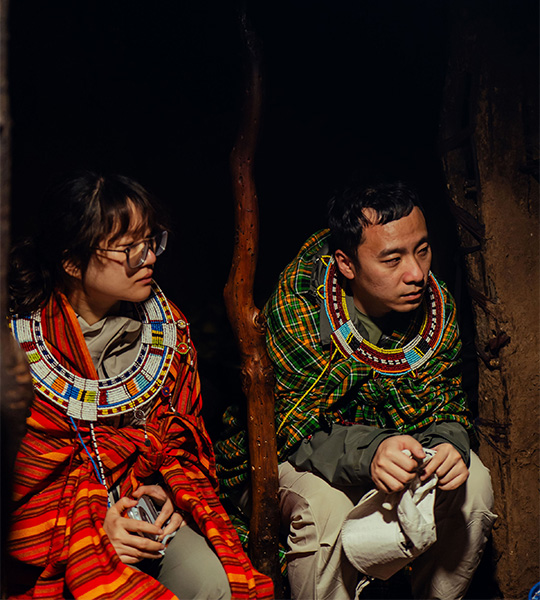
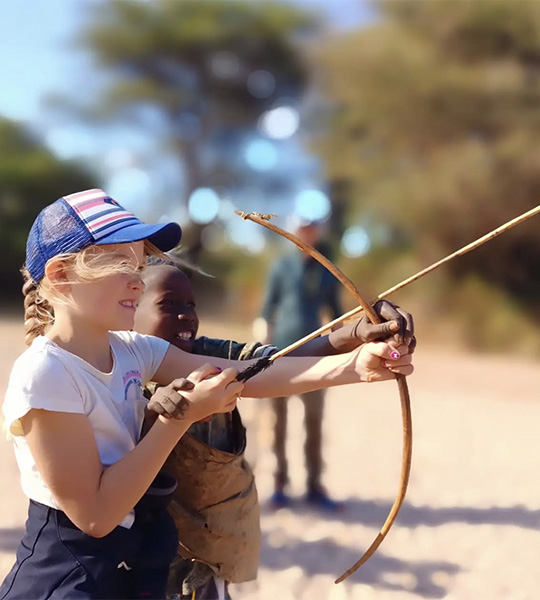

The Hadza tribe have been calling Lake Eyasi their home for over 10,000 years. They are still faithful to their traditional way of life and continue hunting and gathering various kinds of fruits and honeydew honey. You would hardly want to miss out on a chance to visit their community. You might even have an opportunity to learn how they shower with a monkey bone, as well as plenty of other interesting peculiarities of their lifestyle. Women and men of the Datoga tribe have preserved the worship cults of ancestors and spirits. They perform rainmaking rituals, healing magic. The extent to which all their customs and traditions have been preserved is simply amazing. It is no accident that researcher groups rush eagerly to see the ancient African ceremonies that are preserved amidst the invading civilization.
When is the best time to visit?
Dry Season (June to October): Generally considered the best time for visits because roads are accessible and cultural activities are easier to arrange. The lake may be almost entirely dried up, leaving a scenic dry bed.
Wet Season (November to May): The lake fills with water, attracting large numbers of birds like flamingos and pelicans, and occasionally hippos. Note that heavy rains in April and May can make roads impassable.
What are the main activities?
Cultural Visits: Joining the Hadzabe on a traditional morning hunt or visiting the Datoga to see their metal-working skills.
Bird Watching: Best during the wet season when the soda lake attracts diverse avian life.
Hiking: Guided full or half-day treks along the shores.
Local Markets: The Ghorofani Market occurs on the 5th of every month.
How do I get there?
The lake is roughly a 4-hour drive from Arusha or about 1–2 hours from Karatu.
Most visitors include it as a 1–2 day stop during a larger Northern Circuit safari involving the Serengeti or Ngorongoro.
Are there entry fees?
Visitors must pay entry fees and obtain permits, which are often included in pre-booked safari itineraries.
Specific local fees apply for cultural activities, such as $20 per car for basic entry and higher fees ($110+) for organized tribal visits.
What should I pack?
Comfortable, modest walking clothes and durable shoes for dusty or muddy terrain.
Sunscreen, insect repellent, binoculars for birding, and a camera.
EXCELLENTVerified Ndutu experience We had an amazing experience with wild and nature safari, five days safari ndutu was amazing we sawa another of animals and amazing scenery, Ernest was very good, knowledge and he answered all of our questionsPosted onVerified Amazing experience I had a solo experience with Wild and Nature Safaris on Mikumi day trip, it was amazing and I had a great experience. Thank you Wild and Nature Safaris.Posted onVerified BIG FIVE to reality Such an amazing experience with wild and nature safaris, we had a 5days safari with Ernest, we saw a-lot of animals, BIG FIVE was a dream and he made it happenPosted onVerified Five star service Me and my family we Did a 7 days Serengeti and Ngorongoro in January , the trip was very organized. Our guide Hamad was very kind and he was good at spotting animals, we saw so many animals like Lions a lot of them in Serengeti. We give our 5 star rating to Wild and nature safaris for this amazing trip. The kids were very happy.Posted onVerified Unforgettable Mount Kilimanjaro experience We had an amazing 6 days Machame trekking in Mount Kilimanjaro with Wild and nature safaris. Everything was well organized from the start to summit, porters and guides were very helpful and supportive. The whole team made us feel safePosted onVerified Incredible Safari I had an incredible 3-day safari visiting Tarangire National Park and the Ngorongoro Crater, and it exceeded my our expectations. From start to finish, everything was well organized and professionally handle, thank you very much Wild and nature team ❤️Posted onVerified FRANK did it what an incredible start to an end of this amaizing trip, wild and nature safari made this dream come true, i have been planing this for years, it was a dream to me and they made it come true, thank you very much Frank for organizing this, everthing was perfect.Posted onVerified Bravo From the initial inquiry to the final drop-off, the organization was flawless. We worked with the coordinatr Frank, who was highly responsive and patientry all of our questions. Everthing was perfect from day one to the end brav to wild and natur safarisPosted onVerified Incredible Safari We just returned from an incredible 5-day safari across Tarangire, Serengeti, and the Ngorongoro Crater. The organization was flawless from the start. Frank was excellent during the planning phase, remaining flexible with our schedule and maintaining great communication throughout. Our guide, James was exceptional. His deep knowledge of wildlife and years of experience made every game drive feel like a true immersion into nature rather than a commercial tour. He had a brilliant eye for spotting animals; we were lucky enough to see the Big 5, including rare sightings of a leopard and a cheetah hunt. The vehicle was comfortable and well-equipped for the dusty terrain, and the service provided by the entire team was worth every penny. This was truly the adventure of a lifetime!Posted onVerified Couple’s Retreat My partner and I just finished an extraordinary 5-day safari with Wild and Nature Safaris, and we couldn't have asked for a better experience. From the moment we started planning with Frank, who was incredibly responsive and flexible with our schedule, we knew we were in good hands. Our guide, John, was absolute magic. He is friendly, professional, and has an incredible amount of experience with wildlife. He made the adventure feel like a true immersion into nature rather than just a commercial tour. We saw the Big 5 and felt completely safe and well-cared for throughout the trip. The accommodations were cozy and romantic, and the level of service was worth every penny. If you want a personalized, once-in-a-lifetime experience, ask for John!Verified by TrustindexTrustindex verified badge is the Universal Symbol of Trust. Only the greatest companies can get the verified badge who has a review score above 4.5, based on customer reviews over the past 12 months. Read more
Wild and Nature Safaris is a Tanzanian-owned safari company created from our love for adventure, nature, and our beautiful country. We are based in East Africa and we offer unforgettable safaris to Tanzania’s top destinations — including the famous Serengeti, Ngorongoro Crater, Mount Kilimanjaro, and the beautiful beaches of Zanzibar.

Please read the Privacy and Policy, Terms and Conditions carefully before making any payment.