Tanzania weather is primarily governed by tropical, regional, and altitudinal variations, tempreture varies from the costals commonly categolized by dry, shoulder and rain season. The coast and islands (Zanzibar) are hot and humid (25°C-30°C+), the Northern safari circuit is mild with cool nights (15°C-27°C), and high-altitude areas like Kilimanjaro are cold. The best time to visit is the dry season (June–October)
Tanzania is situated very close to the equator, therefore, the Tanzania weather is rather stable with a comfortable and well-balanced climate. Temperatures never reach extremely hot or very cold. The average annual temperature varies from +25°C in the south of the country and up to +27°C in the north.
It should be mentioned that on Kilimanjaro and places such as Ngorongoro Crater, the temperature does sometimes fall below zero, especially at night time. It is necessary to take warm clothes on a safari to Ngorongoro Crater or when trekking. Many people try to avoid rainy seasons in Tanzania, which fall between March and May (the long rains) and the end of October and the first half of December (the short rains). Interestingly, the weather in Tanzania in December is hot and wet at the same time, making for a very warm, tropical safari experience. The rainy season is marked by heavy precipitation, however there are typically sunny periods during each day. The table below gives an approximate annual estimation.
The average annual precipitation (mm) in Tanzania:
Jan | Feb | Mar | Apr | May | Jun | Jul | Aug | Sep | Oct | Nov | Dec |
49 | 30 | 85 | 153 | 126 | 32 | 13 | 18 | 21 | 48 | 132 | 75 |
While many travelers try to avoid the rainy season in Tanzania when booking their safaris, it is noteworthy that all major TV companies such as Discovery and National Geographic choose the rainy season to film their stories. This is because the rainy season is when the local nature is at its most colorful, the grass is lush green and, most importantly, there are few other groups touring so that you can get top-notch photos. What advantages are there to a safari during rainy season in Tanzania?
The dry season in Tanzania means guaranteed sun as well as dust. Travelers visiting Tanzania during the dry months should expect heat and dust, especially when travelling on rough roads. The majority of the dust occurs from passing jeeps during safaris. The rainy season, on the other hand, is virtually dust-free!
Another advantage of traveling during rainy season is the lower cost of accommodation and safaris. Accommodations are one of the main contributors to the high price for Tanzania safari tours, but during the low season, when it is rainy, the prices go down, making it possible to save a considerable amount of money while enjoying the comfort of nice hotels.
We can think of only one disadvantage of low season; due to poor road conditions more remote parts of the Serengeti National Park are inaccessible. Then again, they are seldom visited during high season too, due to the remoteness of these areas. In the wet season, many hotels in Tanzania are closed for annual maintenance, especially in Zanzibar, however we work with select hotels that operate year-round.
In January, Lake Eyasi, Tanzania typically experiences warm temperatures and a relatively dry climate. Historical averages indicate daytime temperatures can range from about 30°C to 35°C (86°F to 95°F), while nighttime temperatures can drop to around 15°C to 20°C (59°F to 68°F).
January is part of the wet season, so there is a possibility of brief afternoon thunderstorms and occasional rain showers. Humidity levels can be relatively high, but overall, January is characterized by warm weather, making it a popular time for travelers exploring the area and its unique cultural and natural attractions.
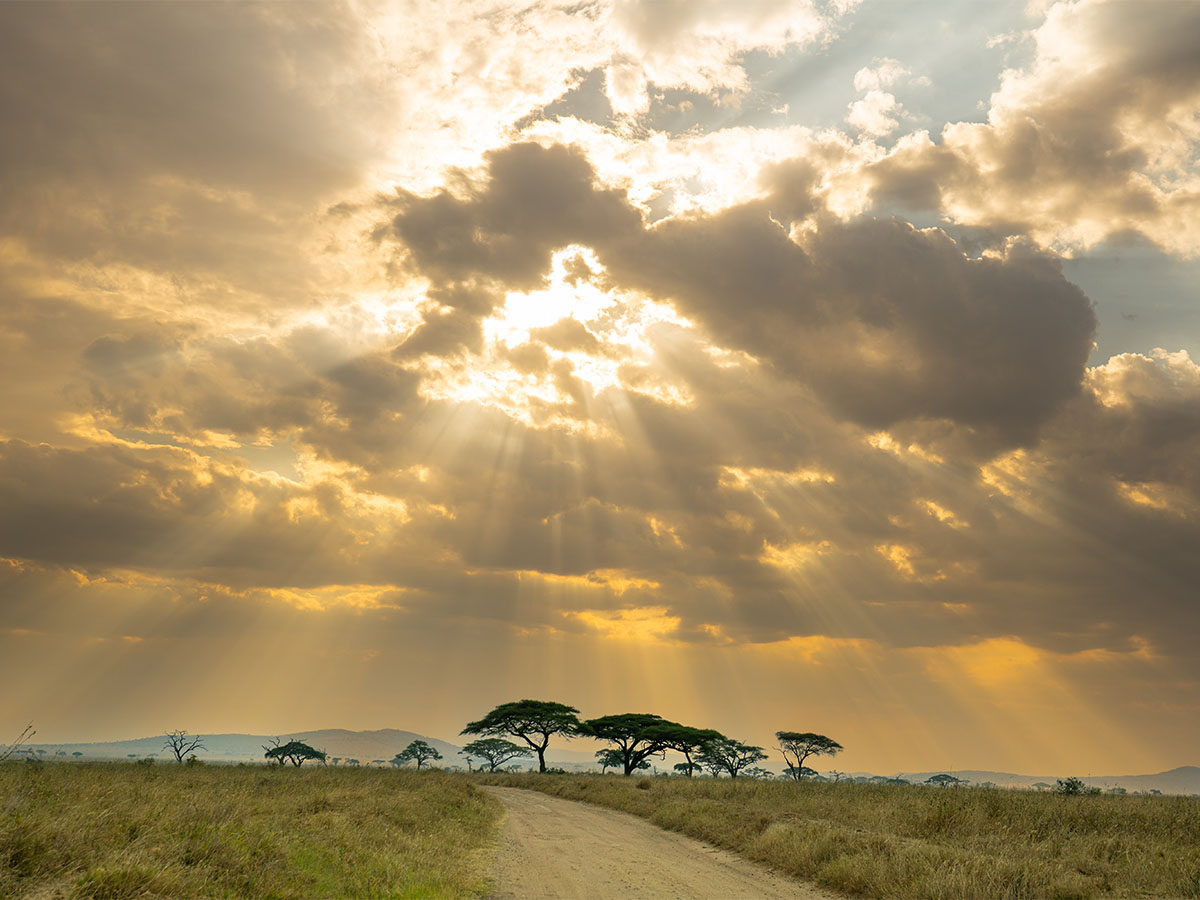

In January, Karatu, Tanzania, typically experiences warm and humid weather, as it falls within the wet season. Historical averages indicate daytime temperatures generally range from around 25°C to 30°C (77°F to 86°F), while nighttime temperatures can drop to about 15°C to 20°C (59°F to 68°F).
January often sees significant rainfall, with average precipitation around 100-150 mm (4-6 inches), and rain can occur in heavy showers, usually in the afternoons or evenings. Humidity levels are relatively high during this period, contributing to the warm and somewhat muggy feel. Overall, if you’re planning to visit, expect warm temperatures alongside chances of rain.
In January, the weather in NCA (Ngorongoro Conservation Area) in Tanzania is typically characterized by warm temperatures and relatively low rainfall. Average daytime temperatures usually range from about 20°C to 28°C (68°F to 82°F), with cooler nights dropping to around 10°C to 15°C (50°F to 59°F).
January is part of the wet season, but rainfall is generally lighter compared to later months. While there may be occasional showers, the area often experiences plenty of sunshine, making it a popular time for wildlife viewing and outdoor activities. The lush landscape resulting from the rains also enhances the scenic beauty of the region.
In January, Lake Natron, Tanzania typically experiences warm to hot weather. Historical averages indicate daytime temperatures generally range from about 30°C to 40°C (86°F to 104°F). Nighttime temperatures can drop to around 20°C to 25°C (68°F to 77°F).
January tends to be part of the rainy season, with occasional showers, but the area remains relatively dry compared to other regions. Humidity levels can be elevated due to the heat and occasional rainfall, and visitors can expect plenty of sunshine. Overall, it’s a warm and somewhat dynamic weather period for the region.
In January, Ndutu, Tanzania typically experiences warm weather as it falls within the wet season. Historical averages indicate daytime temperatures usually range from 24°C to 30°C (75°F to 86°F). Nights can be cooler, with temperatures averaging around 15°C to 18°C (59°F to 64°F).
Rainfall is common in January, with an average of about 100 to 150 mm (4 to 6 inches), often occurring in short, heavy bursts. The region may also be quite humid during this time. It’s a good month for wildlife viewing as animals congregate around water sources.
In January, the typical weather in Tarangire, Tanzania, is characterized by warm temperatures and a mix of sunny and rainy days. Historical averages indicate daytime temperatures generally range from about 28°C to 30°C (82°F to 86°F), while nighttime temperatures can drop to around 17°C to 19°C (63°F to 66°F).
This month falls within the short rainy season, so you can expect occasional afternoon showers, although the rain is usually not as heavy as in the main wet season. Humidity levels can be relatively high due to the rains. Overall, January is a good time for wildlife viewing as the vegetation starts to green up, attracting various animals.
In January, Arusha, Tanzania typically experiences warm and relatively dry weather. Historical averages for this month indicate daytime temperatures usually range from 25°C to 30°C (77°F to 86°F), while nighttime temperatures can drop to around 14°C to 17°C (57°F to 63°F).January is also part of the rainy season, although the rainfall is generally not as heavy as that in later months. You can expect occasional short bursts of rain, but many days remain sunny or partly cloudy. Humidity levels tend to be moderate, contributing to the overall warm feel. Overall, January is a pleasant time to visit Arusha, especially for outdoor activities such as safaris and hikes.
In January, the Central Serengeti typically experiences warm temperatures and is part of the wet season. Average daily temperatures range from about 20°C (68°F) at night to around 30°C (86°F) during the day.
Rainfall is common, with January receiving an average of about 80-100 mm (3-4 inches) over the month, often in the form of short, heavy showers. The landscape is lush and green due to the rains, making it a beautiful time for wildlife viewing, as animals are more active in search of food and water. However, the rain can sometimes impact travel and accessibility within the region.
EXCELLENTVerified Ndutu experience We had an amazing experience with wild and nature safari, five days safari ndutu was amazing we sawa another of animals and amazing scenery, Ernest was very good, knowledge and he answered all of our questionsPosted onVerified Amazing experience I had a solo experience with Wild and Nature Safaris on Mikumi day trip, it was amazing and I had a great experience. Thank you Wild and Nature Safaris.Posted onVerified BIG FIVE to reality Such an amazing experience with wild and nature safaris, we had a 5days safari with Ernest, we saw a-lot of animals, BIG FIVE was a dream and he made it happenPosted onVerified Five star service Me and my family we Did a 7 days Serengeti and Ngorongoro in January , the trip was very organized. Our guide Hamad was very kind and he was good at spotting animals, we saw so many animals like Lions a lot of them in Serengeti. We give our 5 star rating to Wild and nature safaris for this amazing trip. The kids were very happy.Posted onVerified Unforgettable Mount Kilimanjaro experience We had an amazing 6 days Machame trekking in Mount Kilimanjaro with Wild and nature safaris. Everything was well organized from the start to summit, porters and guides were very helpful and supportive. The whole team made us feel safePosted onVerified Incredible Safari I had an incredible 3-day safari visiting Tarangire National Park and the Ngorongoro Crater, and it exceeded my our expectations. From start to finish, everything was well organized and professionally handle, thank you very much Wild and nature team ❤️Posted onVerified FRANK did it what an incredible start to an end of this amaizing trip, wild and nature safari made this dream come true, i have been planing this for years, it was a dream to me and they made it come true, thank you very much Frank for organizing this, everthing was perfect.Posted onVerified Bravo From the initial inquiry to the final drop-off, the organization was flawless. We worked with the coordinatr Frank, who was highly responsive and patientry all of our questions. Everthing was perfect from day one to the end brav to wild and natur safarisPosted onVerified Incredible Safari We just returned from an incredible 5-day safari across Tarangire, Serengeti, and the Ngorongoro Crater. The organization was flawless from the start. Frank was excellent during the planning phase, remaining flexible with our schedule and maintaining great communication throughout. Our guide, James was exceptional. His deep knowledge of wildlife and years of experience made every game drive feel like a true immersion into nature rather than a commercial tour. He had a brilliant eye for spotting animals; we were lucky enough to see the Big 5, including rare sightings of a leopard and a cheetah hunt. The vehicle was comfortable and well-equipped for the dusty terrain, and the service provided by the entire team was worth every penny. This was truly the adventure of a lifetime!Posted onVerified Couple’s Retreat My partner and I just finished an extraordinary 5-day safari with Wild and Nature Safaris, and we couldn't have asked for a better experience. From the moment we started planning with Frank, who was incredibly responsive and flexible with our schedule, we knew we were in good hands. Our guide, John, was absolute magic. He is friendly, professional, and has an incredible amount of experience with wildlife. He made the adventure feel like a true immersion into nature rather than just a commercial tour. We saw the Big 5 and felt completely safe and well-cared for throughout the trip. The accommodations were cozy and romantic, and the level of service was worth every penny. If you want a personalized, once-in-a-lifetime experience, ask for John!Verified by TrustindexTrustindex verified badge is the Universal Symbol of Trust. Only the greatest companies can get the verified badge who has a review score above 4.5, based on customer reviews over the past 12 months. Read more
Wild and Nature Safaris is a Tanzanian-owned safari company created from our love for adventure, nature, and our beautiful country. We are based in East Africa and we offer unforgettable safaris to Tanzania’s top destinations — including the famous Serengeti, Ngorongoro Crater, Mount Kilimanjaro, and the beautiful beaches of Zanzibar.

Please read the Privacy and Policy, Terms and Conditions carefully before making any payment.