Authentic Tanzania Safari & Mount Kilimanjaro Experts
Authentic Tanzania Safari & Mount Kilimanjaro Experts
The Ngorongoro Crater is located in the Ngorongoro Conservation Area in northern Tanzania, near the Serengeti National Park. It was formed millions of years ago as a result of a massive volcanic eruption, which caused the volcano’s cone to collapse inward and form a large caldera. Over time, the caldera filled with water and sediments, creating the varied landscape we see today.
The crater is surrounded by steep walls that rise more than 600 meters above the crater floor. The walls create a unique microclimate in the crater that is cooler and more humid than the surrounding areas, making it a haven for wildlife.
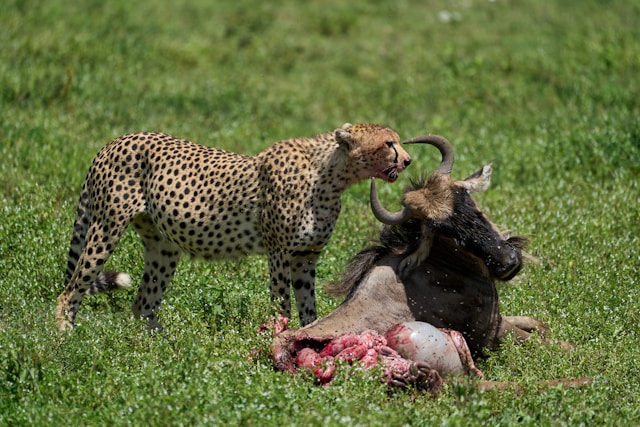
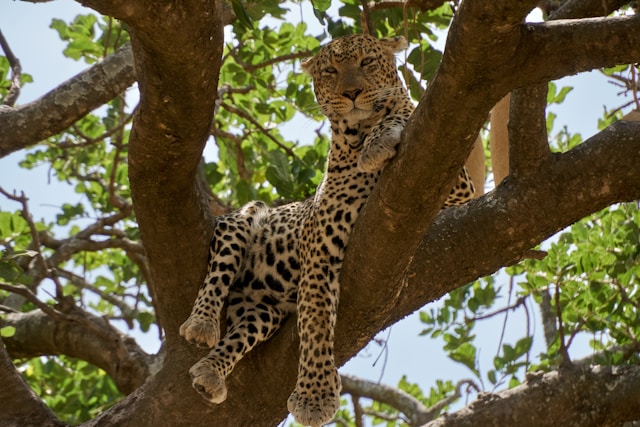
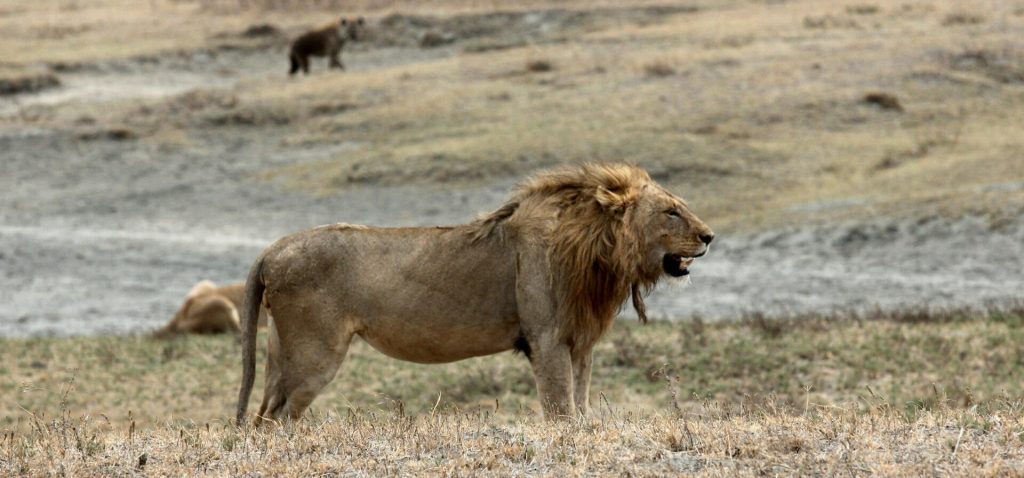
The Ngorongoro Crater is home to more than 25,000 large animals, including some of Africa’s best-known species, such as the African elephant, African buffalo and the endangered black rhinoceros. It is one of the few places in Africa where visitors can see all the “Big Five” animals (lion, leopard, elephant, buffalo and rhinoceros) in one place.
In addition to the rich wildlife of the Ngorongoro Crater, it is also a site of great archaeological importance. The Olduvai gorge in the crater is one of the most important paleoanthropological sites in the world. It has uncovered the fossilized remains of early hominids such as Australopithecus and Homo habilis, which provide valuable insight into the evolution of humans.
Visitors to Ngorongoro Crater can enjoy a range of activities including game drives, guided walks and cultural visits to local Maasai communities. The area is home to a number of luxury lodges and tented camps that offer visitors a unique safari experience.
Finally, it is worth noting that the Ngorongoro Conservation Area is a UNESCO World Heritage Site and is known as one of the most important protected areas in Africa. The nature reserve includes not only the Ngorongoro Crater, but also the surrounding plains and forests, making it an important habitat for many plant and animal species.
There are many ways to explore the park, including game drives, guided walks and mountain bike tours. For those interested in cultural experiences, there is the option of a guided tour of the nearby village of Mto wa Mbu or a visit to the nearby hot springs.
The best time to visit Lake Manyara National Park is during the dry season, which lasts from June to October. During this time, the weather is cool and dry, and wildlife is easier to see as they congregate around the lake and other water sources. However, the park can be visited all year round and each season offers unique experiences. The short rainy season from November to December is a particularly good time for bird watching, as the park’s bird population is at its peak during this period.
All in all, Lake Manyara National Park is an incredible destination that offers a unique blend of wildlife, natural beauty and cultural experiences. Whether you are a seasoned safari visitor or a first time visitor, this park is sure to leave a lasting impression.
The best time to visit Ngorongoro Crater is during the dry season, which lasts from June to October. At this time, the weather is mild and dry, and wildlife is easier to spot as they congregate around water sources in the crater. The dry season is also the peak tourist season, so it is important to book accommodation well in advance.
Another good time to visit is from December to March, which is also the dry season. However, it can be more crowded at this time, especially during the Christmas and New Year holidays.
The rainy season in the Ngorongoro Crater lasts from November to May, with the peak of the rainy season between March and May. During this time, the crater is lush and green and the birdlife is abundant. However, the rains can make it difficult to walk on the roads inside the crater, and some lodges may close during this time.
In the Ngorongoro Crater, you can engage in various activities to make the most of your visit:
Ngorongoro Crater, located in Tanzania, is home to a diverse range of wildlife due to its unique ecosystem. Here’s a short overview of the wildlife you can find there: