Authentic Tanzania Safari & Mount Kilimanjaro Experts
Authentic Tanzania Safari & Mount Kilimanjaro Experts
How is it that Tanzania’s largest national park is almost unknown to people outside of Tanzania? Maybe the word Selous sounds more familiar? In 2019, six reserves received national park status at once. A huge part of the Selous Game Reserve the size of Belgium became Nyerere National Park a stunning place where wild animals live freely and where travellers come for exciting safari adventures.
In Nyerere, you can meet lions, elephants, and, of course, buffalo, as well as leopards, and rhinoceroses. The traveler who has the luck to observe all these animals “collects” the Big Five of Africa. This giant reserve is a special world where the pristine nature of Africa is preserved for future generations.
Nyerere National Park lies 700 km from Arusha in southern Tanzania, making flights the most convenient option. Daily light aircraft flights (approx. 1-2 hours) are available from Zanzibar, Arusha Airport (ARK) or Kilimanjaro (JRO) to park airstrips.
Boat Safaris: The Rufiji River is ideal for viewing hippos, massive crocodiles, and diverse birdlife (over 440 species) from a unique water-level perspective.
Walking Safaris: As one of the few Tanzanian parks allowing walking, it is perfect for immersive, guided nature walks to see smaller fauna and track animals on foot.
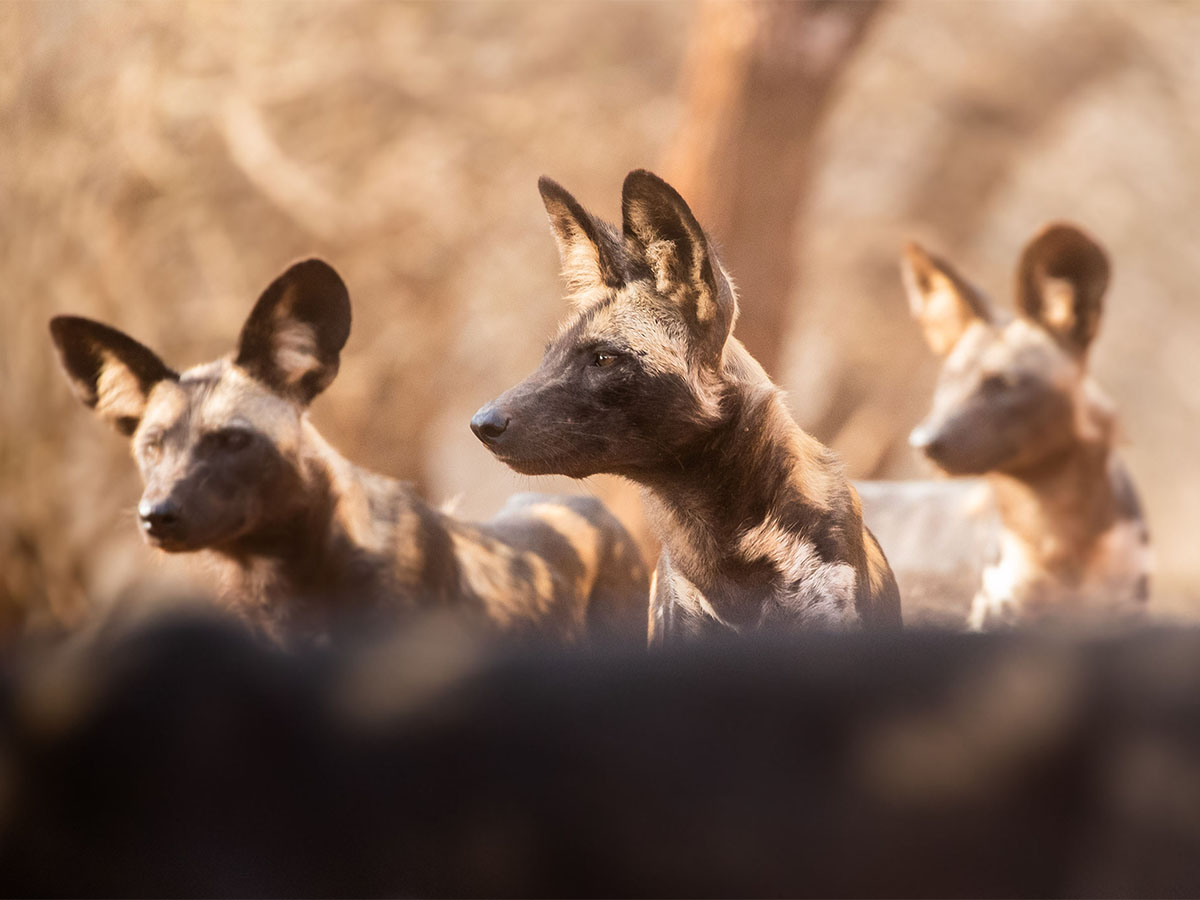
“Big Game” Sightings: The dry season (June-October) is ideal for spotting lions, elephants, leopards, cheetahs, and the rare wild dog as they congregate around water sources.
Uncrowded Wilderness: It offers a more exclusive and secluded, intimate safari experience compared to Northern Tanzania parks.
Fly-Camping: Perfect for adventurous, intimate overnight bush camping under the stars.
Unique Perspectives: Offers hot air balloon safaris over the vast, untouched landscape.
The area of the national park is so large, and visitors in its remote parts are sometimes so few that you can ride all day on safari without meeting any other cars. By the way, other types of safari are possible in Nyerere also – walking safari and boat safari on the river. The park’s fertile lands are fed by Tanzania’s largest river, the Rufiji. It is home to many crocodiles and hippos.
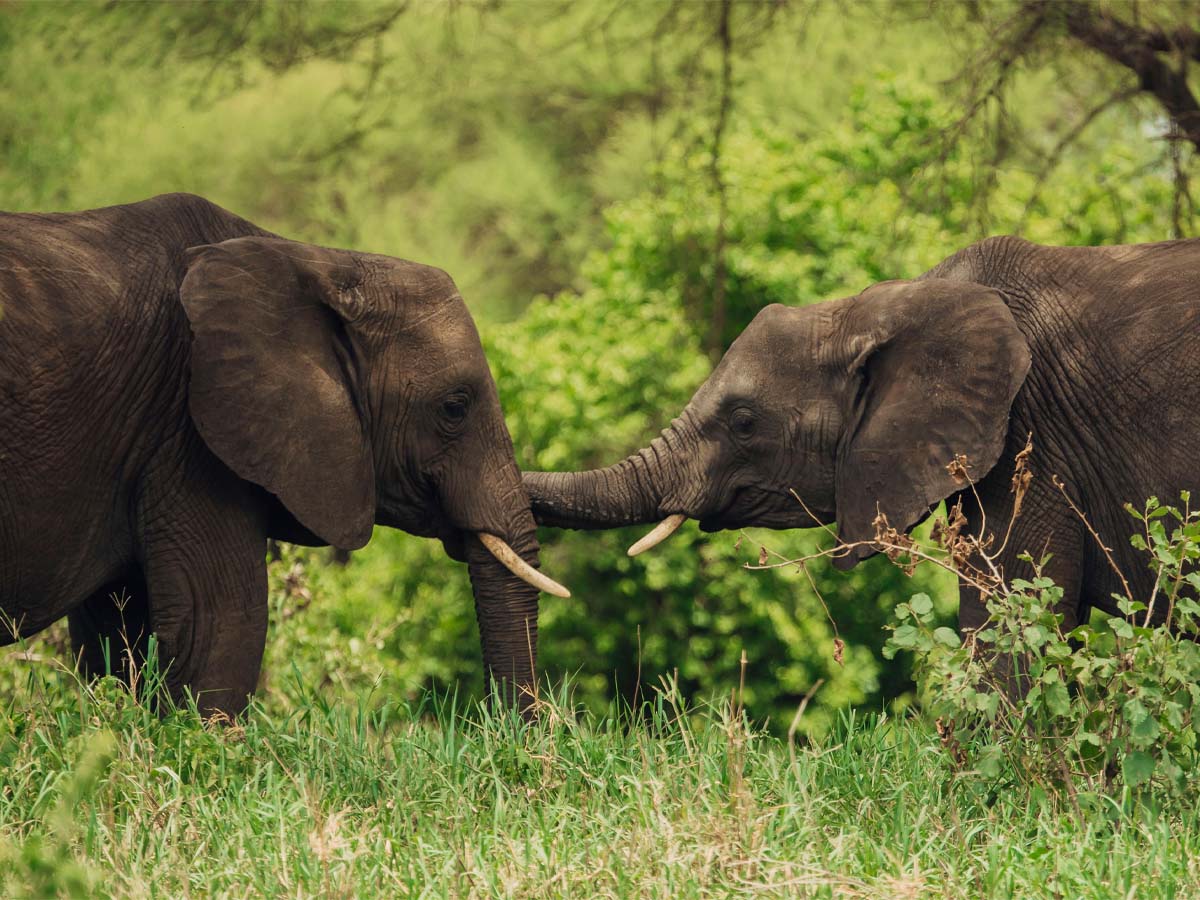
About 40,000 hippos live in the park! And even a higher number of elephants roam its lands. Bird watchers will also enjoy the park as it is home to as many as 450 species of birds. The roads and secluded corners of the largest park in East Africa are waiting to be explored!
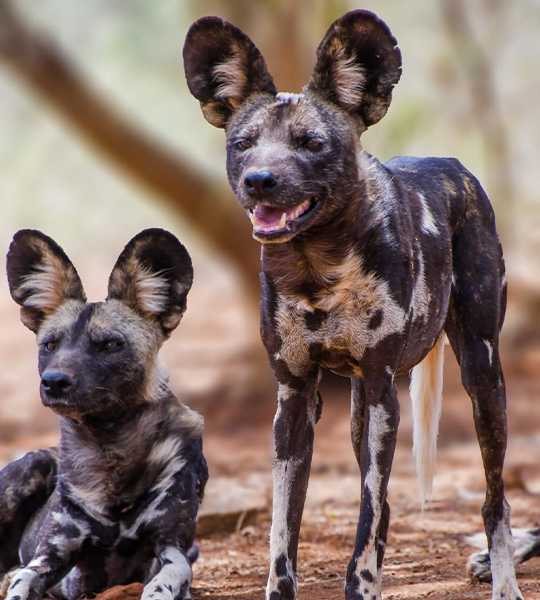
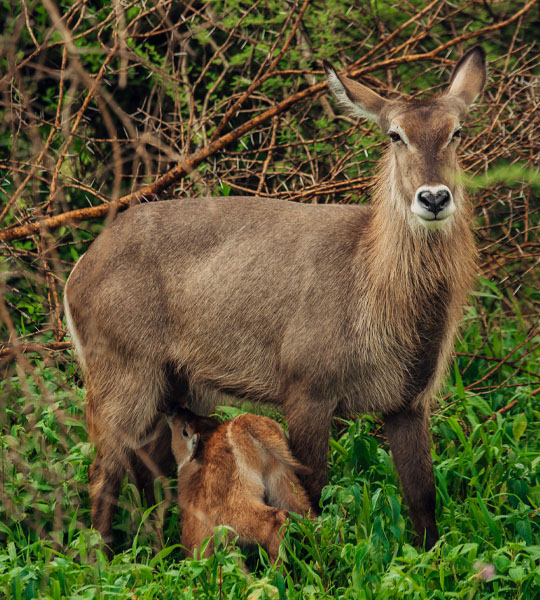

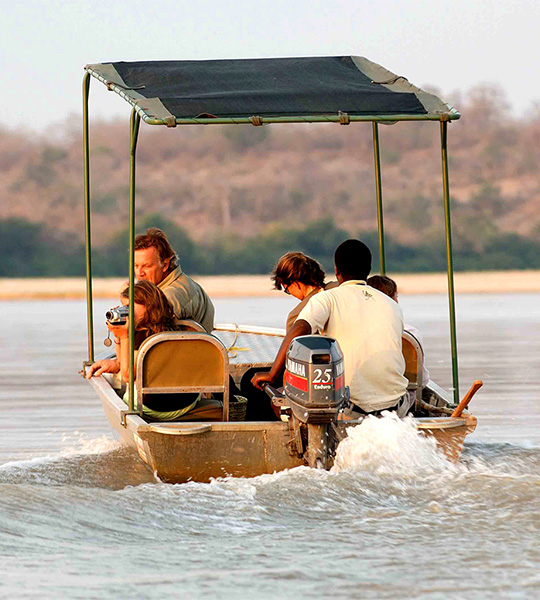
Nyerere National Park (formerly Selous) is the perfect spot for diverse, off-the-beaten-path safari experiences, offering a combination of boat safaris on the Rufiji River, walking safaris, and excellent game drives. It is ideal for spotting large herds of elephants, lions, and the endangered African wild dog in a quieter, less crowded setting.
The park was named after the first president of Tanzania, Julius Nyerere. Together with the neighboring Selous Game Reserve (~18,000 sq kilometers/7000 sq miles of protected land has remained under that name after Selous’ larger part was changed into Nyerere NP) it is a designed UNESCO World Heritage Site. This status is based on the conservation of nature in its original state and the high biodiversity of the region. In addition to large populations of elephants, buffalo, lions, and hippos, this vast area almost 31,000 sq kilometers or 12.000 sq miles is home to a species diversity of antelope, including the rare Lichtenstein’s hartebeest, roan antelope, and sable antelope. Nyerere Park is considered the last refuge of a large population of African wild dogs. The true spirit of safari can be experienced during walks in the wilderness and, for the most intrepid, during overnight stays in the bush in so called Fly Camps tented camps set up right under the open African sky in the lap of nature.
When is the best time to visit?
The dry season, from June to October, is best for wildlife viewing as animals congregate near the Rufiji River.
How do I get to Nyerere?
The easiest way is to fly into the park’s airstrips from Dar es Salaam or Zanzibar (approx. 45-minute flight). It is also accessible by road from Dar es Salaam, which is about a 230 -250 km, 4–6 hour drive.
What are the main activities?
Key activities include boat safaris on the Rufiji River, walking safaris, game drives, and fly camping.
Is it safe to visit?
Yes, it is considered safe, though visitors must follow safety guidelines, stay in vehicles, and be accompanied by armed rangers on walks.
How many days should I spend?
A 3–5 day trip is ideal to explore both the river and land ecosystems.
What animals can I see?
The park is famous for large numbers of elephants, hippos, crocodiles, and lions. It is also a stronghold for the endangered African wild dog.
What are the entry fees?
As of 2024, non-resident adult fees are USD 50 per 24 hours, plus concession fees if staying inside the park.
What is the difference between Nyerere and Selous?
Nyerere National Park was created in 2019 from the northern part of the Selous Game Reserve, designating a vast area for photographic tourism rather than hunting.