
Authentic Tanzania Safari & Mount Kilimanjaro Experts
Authentic Tanzania Safari & Mount Kilimanjaro Experts
If anywhere in the world there still remain vast expanses of pristine wilderness with animals roaming freely, Ruaha is one of those places. Here, Central African rainforests merge with sparse acacia trees of the eastern savannah.
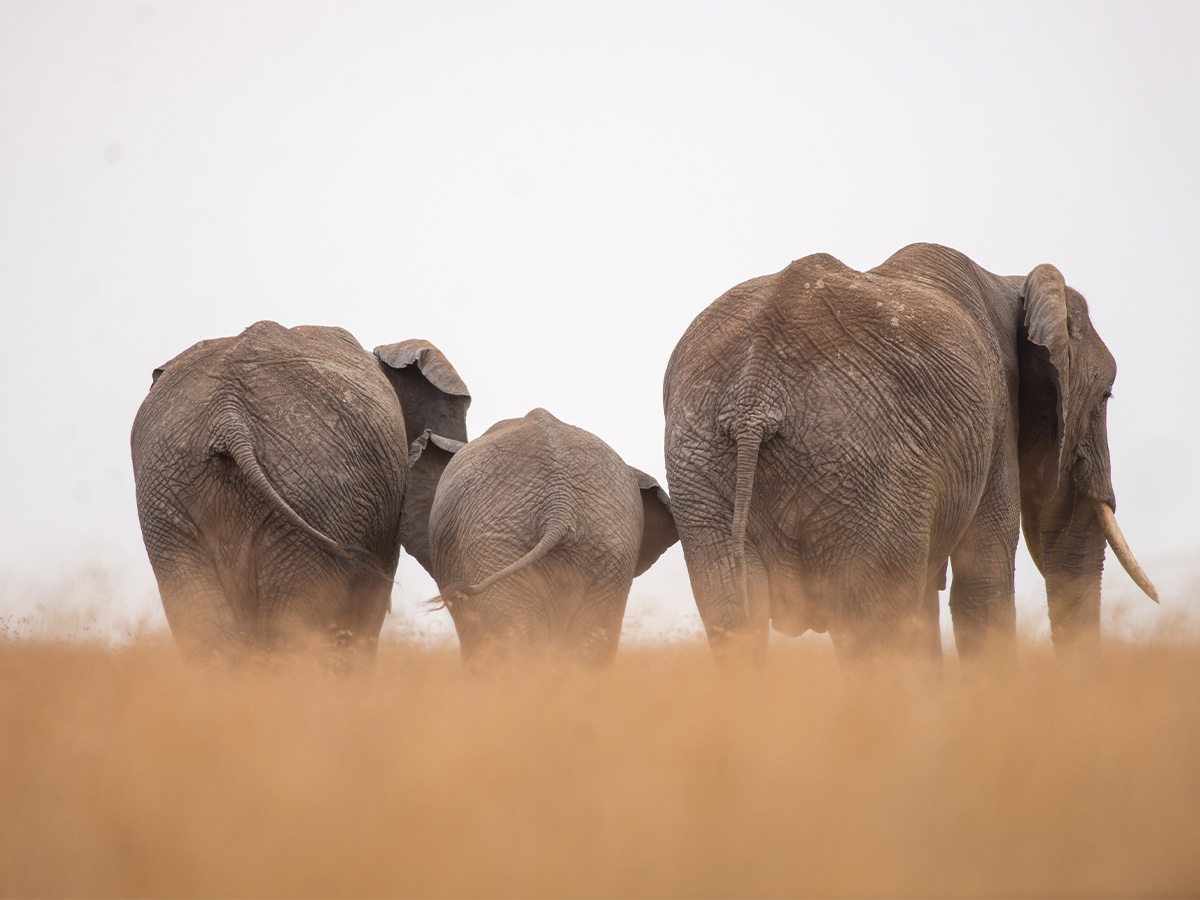
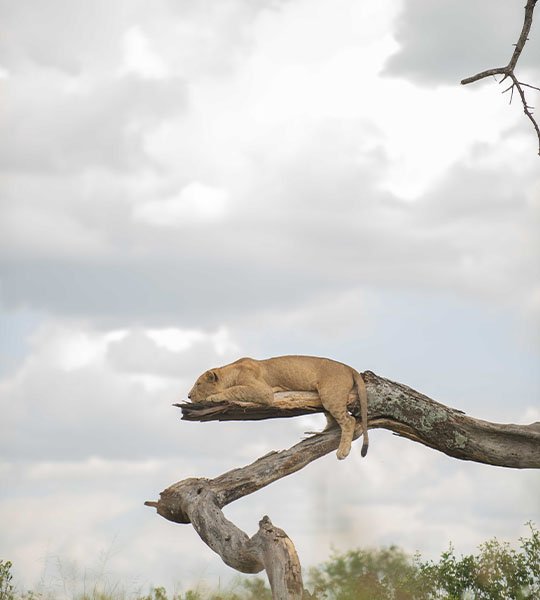
Thousands of elephants roam among the trees. Right on the national park’s roads and trails lions bask under the sun or enjoy the shade, resting after the hunt. And the Great Ruaha River hides many hippos and crocodiles in its waters.
Moreover, Ruaha NP is called a birdwatcher’s paradise. Due to the remoteness from the national parks of the Northern Safari Circuit and from the ocean coast, Ruaha is much less often visited by tourists. And this is a unique opportunity to explore the magnificent wild nature of Africa without crowds of people.
Ruaha National Park lies in south central Tanzania, approximately 130 kilometers (81 miles) west of Iringa.
Great Ruaha River: The central hub for wildlife viewing where animals gather as other water sources dry up.
Mwagusi Sand River Area: Famous for its dense concentration of wildlife, particularly lions, and beautiful, scenic landscapes.
Jongomero Region: A more remote, exclusive area in the south, perfect for avoiding crowds and intimate, wild experiences.
Usangu Wetlands: Excellent for birdwatching, offering a distinct, diverse landscape compared to the riverbanks.
Rocky Kopjes/Hills: Iconic for stunning views and spotting leopards.
Top Accommodation Picks for the “Perfect” Spot:
Jabali Ridge: Luxury, stunning views, and centrally located for prime game drives.
Kigelia Ruaha Camp: Located in a prime game-viewing area, providing an authentic tented experience.
Jongomero Camp: Excellent for a remote, exclusive, and high-quality experience.
Ruaha River Lodge: Well-situated right along the river, often with game viewing directly from the lodge

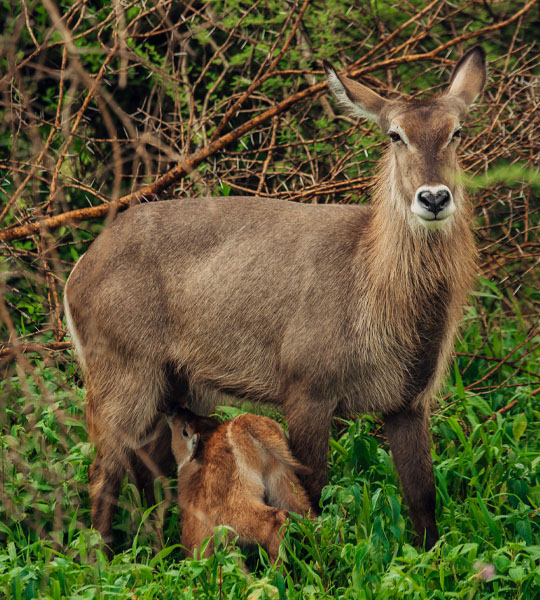
If you want to see Tropical Africa in its pristine form without dozens of other safari vehicles and tourists on crowded picnic sites, a trip to Ruaha would be perfect. Here visitors are greeted only by dense forests, giraffes peeking out from behind trees, hippos strolling among the bushes, turtles crawling slowly across roads, bustling antelopes of many different species,
Herds of elephants, lion prides, hundreds of colorful birds, and many other animals. Everyone will find a place for themselves in this national park it is not only the second-largest national park in Tanzania but one of the largest protected areas in all of East Africa.

The perfect spot in Ruaha National Park is the Great Ruaha River and its surrounding areas, particularly during the dry season (June to October) when wildlife concentrates there. For the best experience, stay inside the park near the river or in the Mwagusi area, renowned for high predator, elephant, and buffalo
The park is so large that it could easily fit entire Montenegro or almost two countries the size of Qatar. Other numbers are also impressive: more than 10,000 elephants live here, approximately half of all bird species in Tanzania can be seen in Ruaha, and about 10% of the world’s lion population lives in this national park.
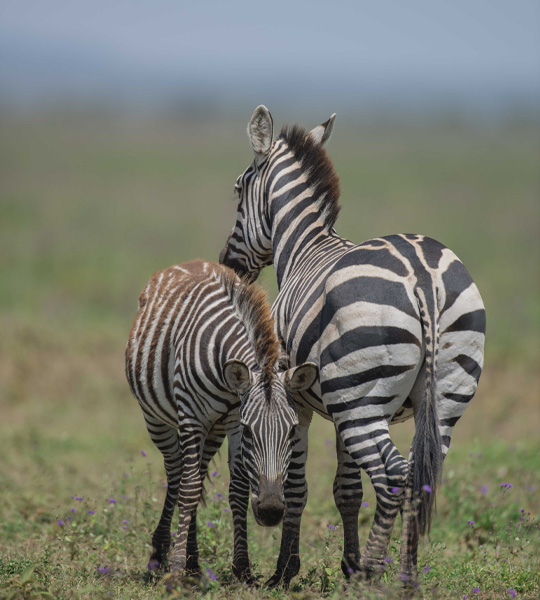
Lion prides grow so large that not only zebras and antelopes but also larger animals such as buffalos and giraffes often become their prey. Black-backed jackals and African wild dogs prowl in the bush in search of smaller prey.
From June to December, the drought drives animals to the only river that never dries up, the Great Ruaha, and this is the best time to watch the scenes of wildlife drama when animals fight for their survival. Ruaha is one of the driest national parks in the country rains here are rare and short, and the roads tend to be washed out only from mid-March to late May.
When is the best time to visit?
The dry season, June to October, is ideal for wildlife viewing as animals gather near water sources. The bush is thinner, making spotting easier.
How do I get to Ruaha?
Flights are available from Arusha or Dar es Salaam into the park’s airstrips. Driving from Dar es Salaam is possible but takes about 10 hours.
How many days should I stay?
A minimum of three nights is recommended to fully explore the park’s vast landscape and wildlife.
What animals can I see?
Ruaha is famous for huge herds of elephants and buffaloes, as well as large populations of lions, leopards, cheetahs, and wild dogs. It is a stronghold for rare species like sable and roan antelope.
What activities are available?
Game drives (day and night)
Walking safaris
Bird watching (over 570+ species)
Cultural tours to local communities
Are there mosquitoes/malaria?
Yes, but the risk is lower during the dry season (June–October).
What is the accommodation like?
Options range from luxury options like Jongomero and Kigelia Camp to mid-range options like Mdonya Old River Camp.