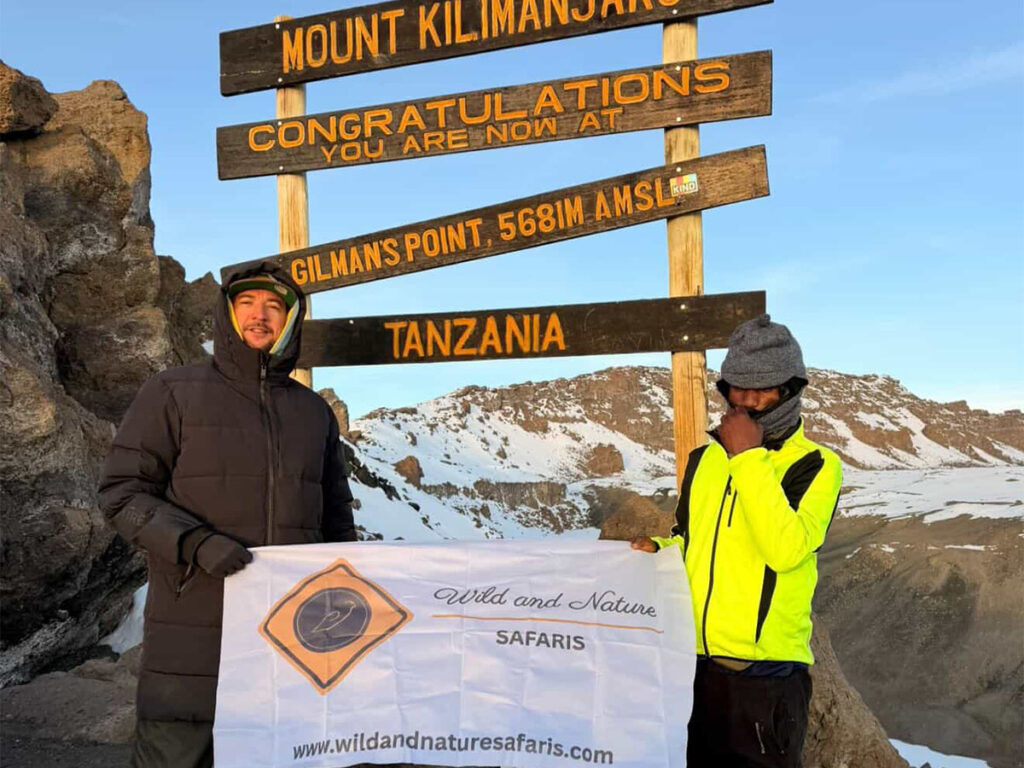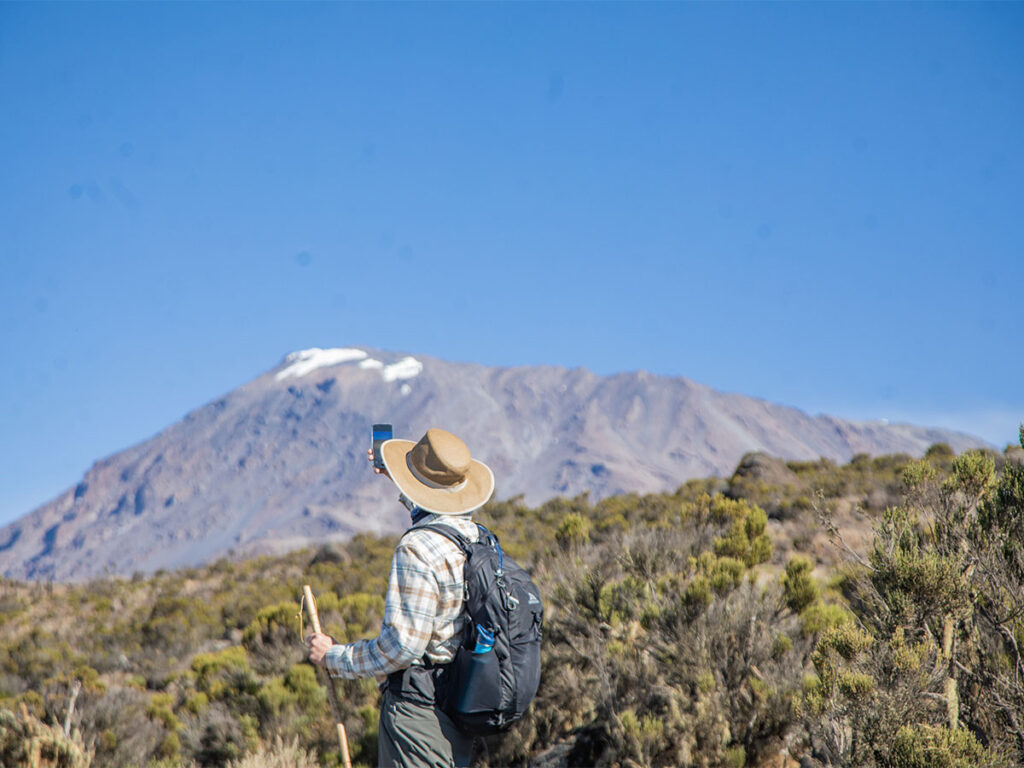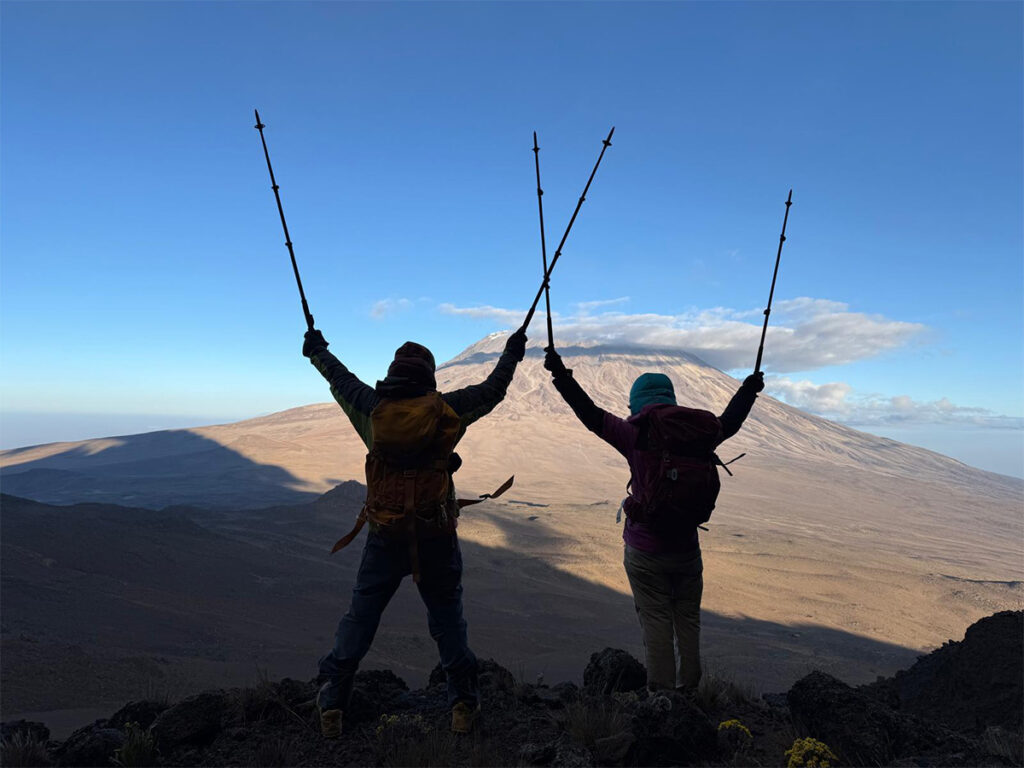
Do you have climbing Mount Kilimanjaro on your bucket list? Then this guide is for you. Mount Kilimanjaro is the tallest peak in Africa, located in Tanzania. Africa’s tallest
Standing at 5895m (19,341 feets), Mount Kilimanjaro is the tallest mountain in Africa and the tallest free-standing mountain in the world. And as a result of its height, Mount Kilimanjaro is one of the most popular hiking spots.
Every year, tens of thousands of people from across the globe attempt the climb, but not everyone succeeds. Many people overlook one factor that contributes to Kilimanjaro’s success rate: the route they follow on the climb.
The route chosen can mean the difference between a successful and unsuccessful Kilimanjaro ascent.
The success rate for each route is measured by dividing the number of climbers who use it for their Kilimanjaro expedition by the number who ultimately reach the peak. Daily pacing, acclimatisation time, and the climb’s structure all directly affect these outcomes. This is why the operator’s experience and approach are so important.
With years of experience, Wild and Nature Safaris has a strict cautionary protocol that has helped hundreds of individuals reach the summit of Mount Kilimanjaro. Our itineraries prioritise acclimatisation, safety, and the climber’s well-being. This method has consistently yielded successful summit outcomes without hurrying or taking unnecessary risks.
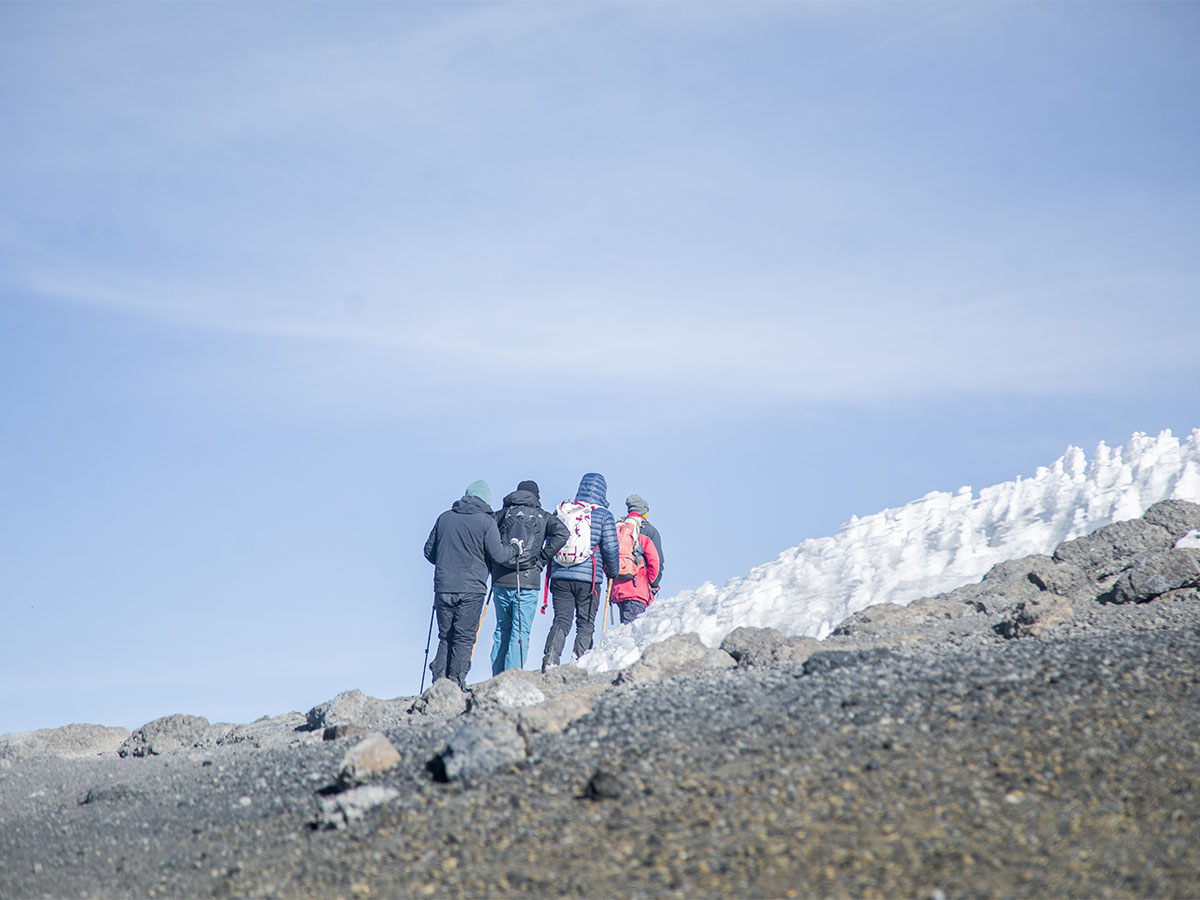
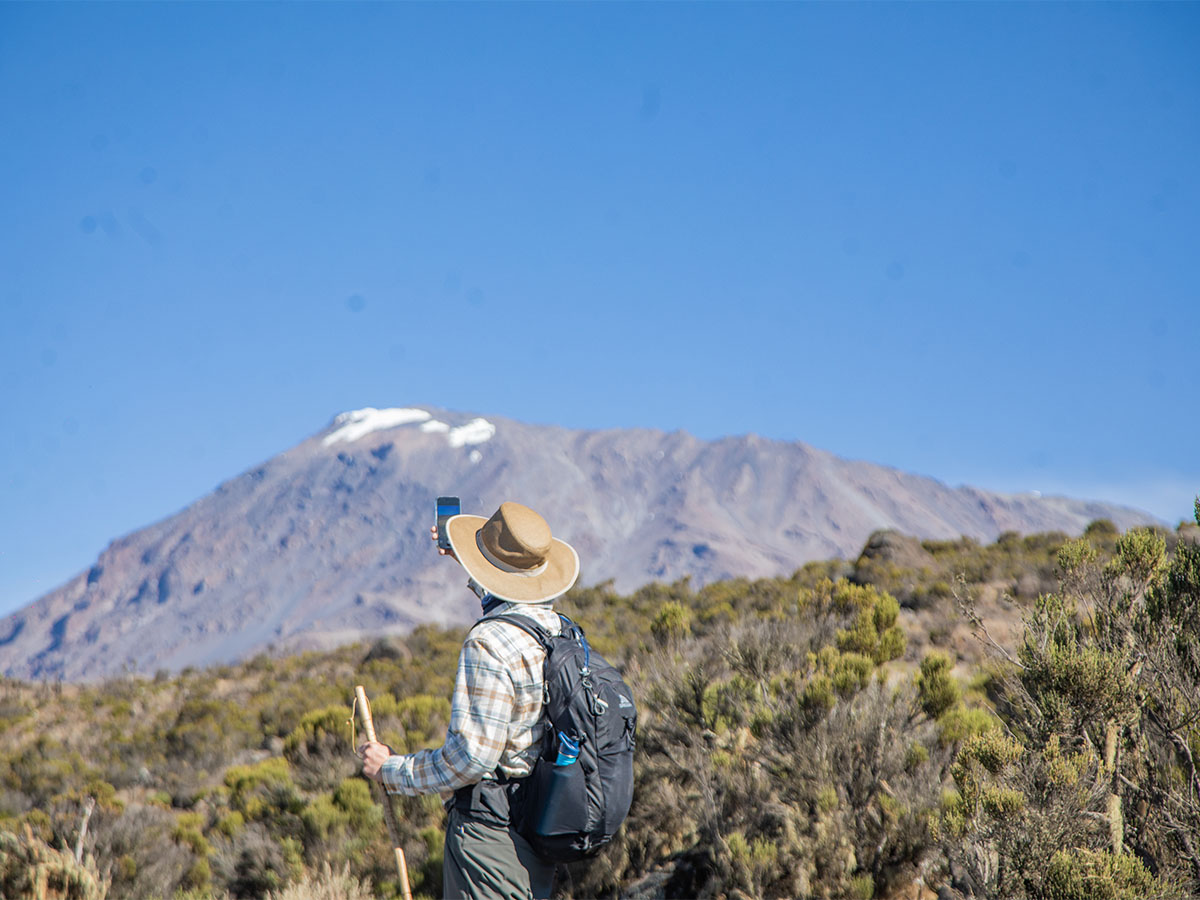
The official Kilimanjaro National Park success rate, published in 2006, reports an average success rate of 45% across routes.
However, in recent years, Kilimanjaro has had an overall success rate of 70-80%, though this varies widely by route.
Below are the seven routes to climb the highest mountain in Africa, along with their success rates:
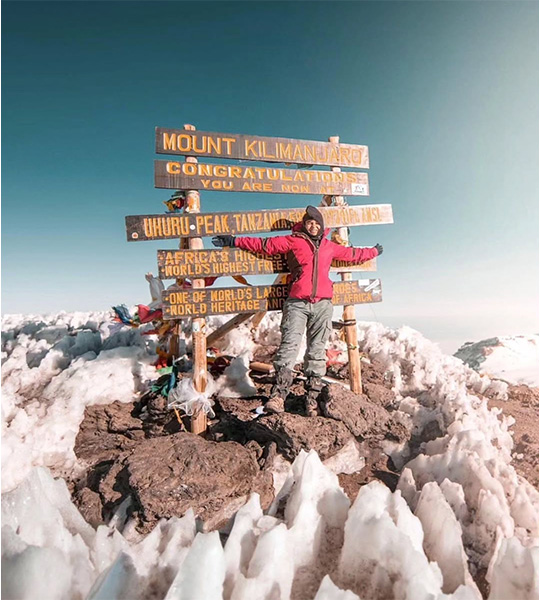
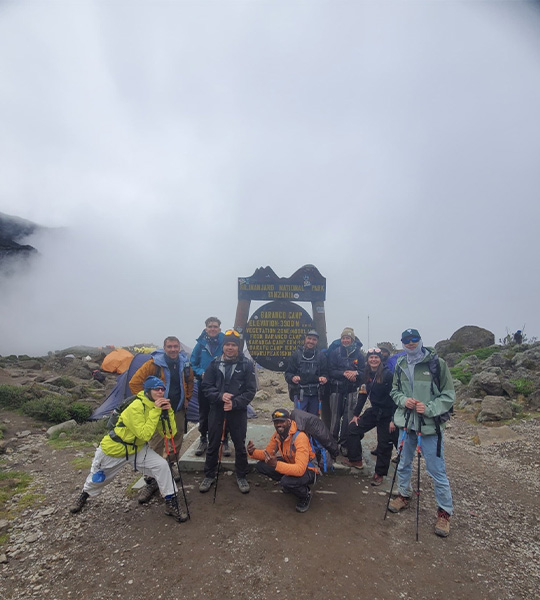
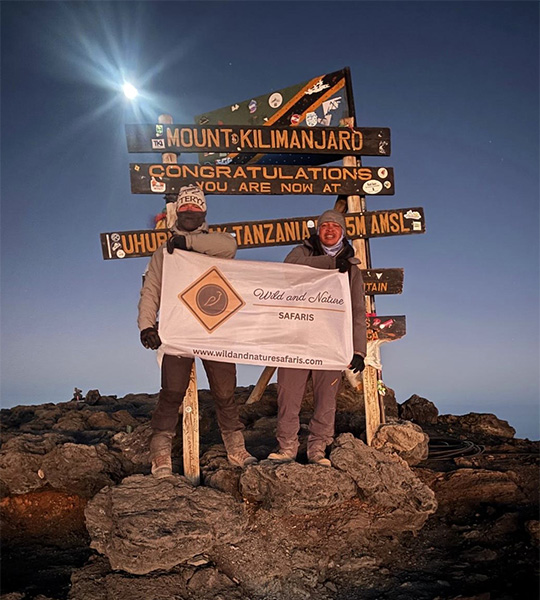
Considered one of the best options for climbers, the Lemosho route has a success rate of approximately 85-90%.
Starting from the Lemosho Gate, the Lemosho route approaches Mount Kilimanjaro from the western entrance of the Kilimanjaro National Park.
The itinerary requires approximately seven to eight days to complete, providing climbers sufficient time to acclimatise to high altitude. The route also follows a climb-high, sleep-low profile, which further improves acclimatisation.
Another advantage of the Lemosho route is the lower crowd density in the early stages of the climb. This is because the route begins on the western side, which has less traffic.
There are fewer climbers, which means less pressure to rush and greater flexibility in pace. For first-time climbers seeking a high likelihood of success, the Lemosho route is often the top choice.
Also known as the Whiskey Route, the Machame route is one of Kilimanjaro’s most popular routes. The Machame route is more challenging than the Lemosho route due to its steeper sections, but it offers excellent acclimatisation when done correctly.
The trek takes approximately six to seven days. When climbed over seven days, the Machame route has a success rate of 70-85%. The six-day variant has a lower success rate due to the shorter acclimatisation period.
Machame is ideal for climbers who are reasonably fit and comfortable with longer hiking days. Although it is physically demanding, its structure supports acclimatisation better than shorter routes, making it a reliable option for successfully climbing Mount Kilimanjaro.
The Shira route is similar to the Lemosho route but begins at a higher elevation. Because of this high starting point, the Kilimanjaro success rate on the Shira route is lower than on the Lemosho route. Shira’s success rate ranges from 60 to 80 per cent, depending on the itinerary length.
The Shira route is a six- to eight-day trip. There is also a shorter form lasting 3-4 days. The shorter variation has a lower success rate due to the shorter acclimatisation time.
Shira is suited for climbers with previous high-altitude experience. Climbers are driven to the Shira Plateau before commencing the trek, allowing for a less gradual acclimatisation at the start. Without prior trekking experience, rapid ascent can lead to altitude sickness.
The Northern Circuit is the longest route on Mount Kilimanjaro and also the least crowded. The route itinerary takes eight to nine days and circles the mountain’s northern slopes before the summit attempt.
This extended acclimation period allows the body to adjust naturally, reducing the risk of severe altitude sickness.
The Northern Circuit has a success rate of over 90 per cent, making it the highest among all Kilimanjaro routes.
The Northern Circuit route is suitable for climbers who want to maximise their chances of success and prefer a quieter experience. While it requires more days and a larger budget, it offers the best chance of reaching the summit safely.
Also known as the Coca-Cola Route, the Marangu route is the only Kilimanjaro route that uses hut accommodation rather than tents. As a result, it is often marketed as the easiest route, although that is not entirely accurate.
The Marangu route takes about five to six days, limiting time for acclimatisation. As a result, the Marangu route has a success rate of 50-65%, which is relatively low compared with other routes.
While the hut accommodation is excellent, the lack of a climb-high, sleep-low opportunity and rapid altitude gain makes the failure rate high.
The quick ascent increases the risk of altitude sickness on Kilimanjaro compared to other routes.
The Rongai Route begins in the northern part of Mount Kilimanjaro, near the Kenyan border. The path is drier than the southern roads, making it an excellent choice during the rainy season.
The Rongai route itinerary takes six to seven days and has a success rate of 65-80%, depending on whether a six- or seven-day plan is followed.
Rongai is less busy and offers a steady, gradual ascent, making it ideal for climbers seeking a calmer, intermediate-level track. The Rongai route provides a reasonable possibility of successfully climbing Mount Kilimanjaro.
The Umbwe route is the steepest and most direct way up Mount Kilimanjaro. As a result, the success rate on Kilimanjaro is the lowest, frequently falling below 50%.
It is the most challenging route due to its rapid ascent and short acclimatisation period. It is recommended only for experienced climbers who are confident in their ability to adapt quickly to high altitude. For most climbers, Umbwe poses an unnecessary risk.
In addition to selecting the best route, other factors can influence the success of a Mount Kilimanjaro expedition. Here are some of them.
The primary factor influencing the success of a Mount Kilimanjaro climb is the individual climber’s physical fitness. It’s advisable to attempt the climb with some form of training beforehand.
Hikers training for Kilimanjaro should engage in exercises that improve cardiovascular endurance, leg strength, and stamina.
These exercises help climbers handle long hiking periods. However, fitness alone is not everything. Most failures are not due to lack of strength but poor acclimatisation. So, even very fit climbers can fail if they ascend too quickly.
Hikers, especially first-timers, can also go for the Mount Meru climb to prepare for Mount Kilimanjaro. This will help them acclimate to higher altitudes.
In addition to being physically prepared for the climb, having appropriate gear improves a climber’s chances of success.
A well-prepared Kilimanjaro packing list should include appropriate layered clothing for the mountain’s different climatic zones, a sleeping bag, hiking boots, a headlamp, trekking poles, and other essential personal effects.
Weather conditions also affect the Kilimanjaro’s success rate.
The best time to climb Kilimanjaro is during its dry season, which runs from December to mid-March and from late June to October. During these periods, the Kilimanjaro weather is at its best, with clear skies, sunshine, and little to no rain.
The rainy seasons make trails slippery and more challenging to hike. During the rainy season, Kilimanjaro’s success rate drops from the usual 75-80% to about 60%.
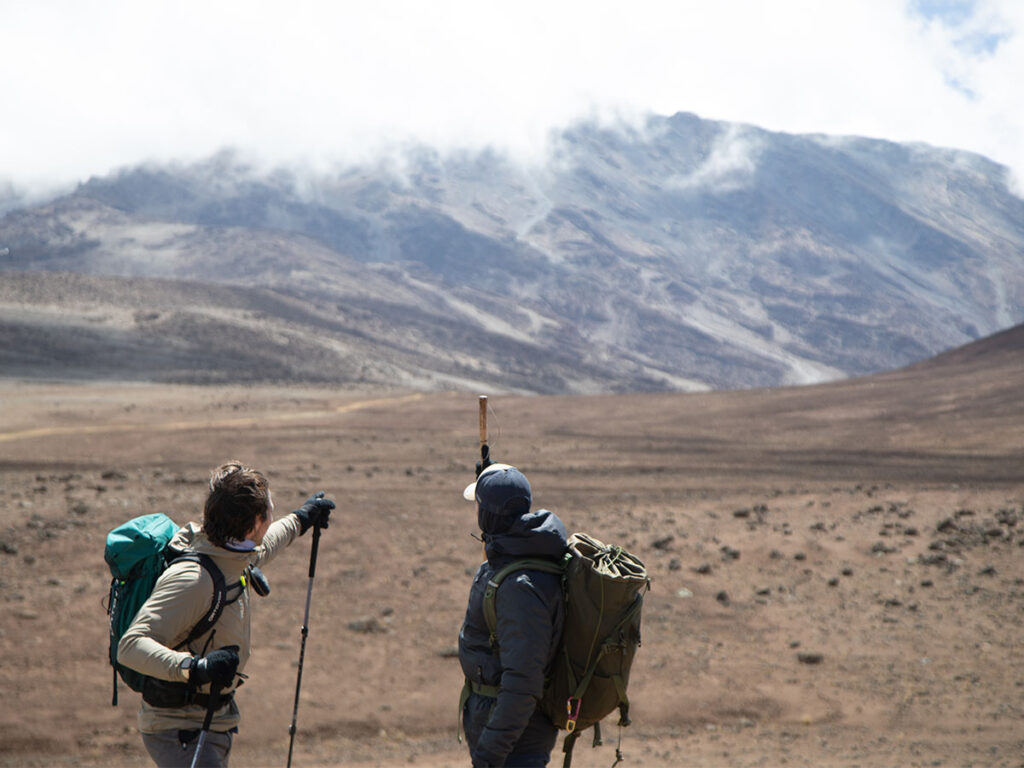
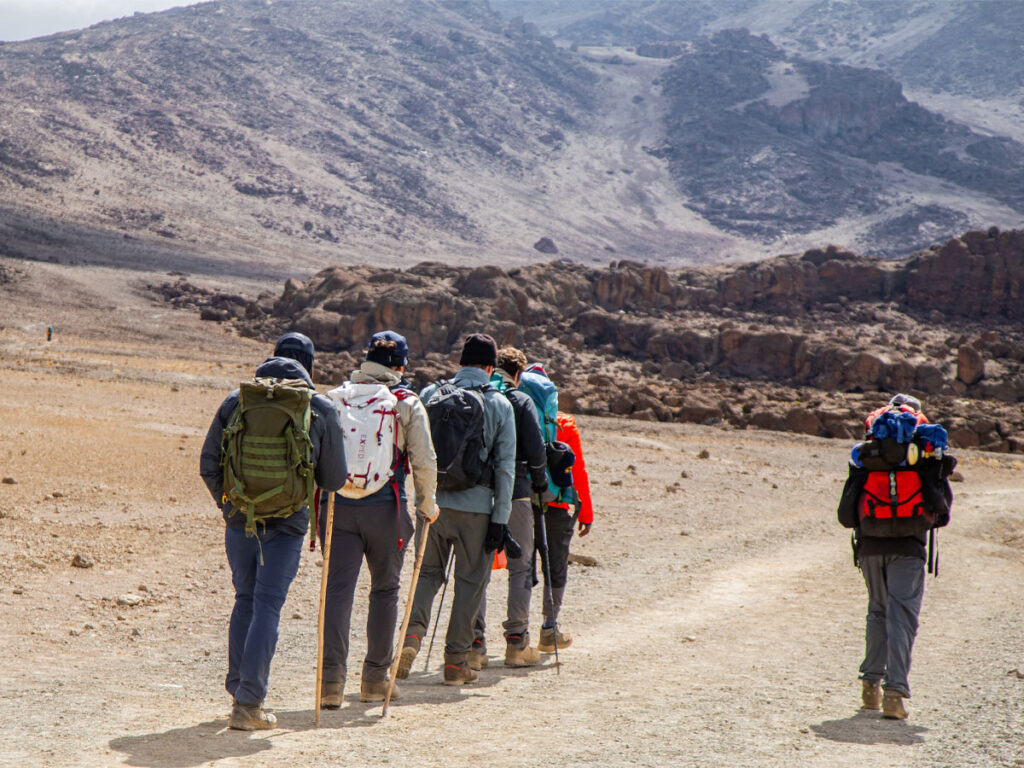
Sometimes, the difference between a successful climb and a failed one can be the operator.
The right operator will follow proper acclimatisation schedules, monitor climbers for symptoms, and encourage slow pacing. Poorly executed itineraries often rush schedules, reducing the likelihood of success and increasing health risks.
In addition, the tour operator’s safety standards also influence the success rate. Operators with strict cautionary protocols have higher summit success rates. Some health security measures include a balanced climber-to-ratio, access to emergency oxygen, regular health checks, and a straightforward evacuation procedure.
An average person can hike Kilimanjaro, provided they prepare adequately and choose the correct route that matches their fitness level.
Climbing Mount Kilimanjaro does not require technical climbing skills; however, physical fitness, endurance, and mental resilience are essential.
With proper training, the right itinerary, and a reliable guide, many first time climbers complete a Kilimanjaro trek. This beginner’s guide to climbing Mount Kilimanjaro outlines basic planning considerations for first-time climbers.
While Everest is taller, it’s tricky to decide which is harder.
Everest requires technical climbing skills and supplemental oxygen, whereas Kilimanjaro does not.
On the other hand, Kilimanjaro is steeper, and the ascent is faster. This increases the chances of altitude sickness on Kilimanjaro compared to Everest.
If we are considering technical difficulty, Everest is the most challenging mountain. However, if we consider acclimatisation, climbing Mount Kilimanjaro is more difficult.
Climbing Mount Kilimanjaro is an achievable task for almost everyone. However, that begins with making informed decisions.
Choosing the best Kilimanjaro route that allows sufficient time to acclimatise significantly improves your chances of success.
While no route guarantees 100% success, understanding how each option affects altitude adaptation greatly increases your chances.
With realistic expectations, proper preparation, and patience on the mountain, reaching the summit of Mount Kilimanjaro is possible.
Which Kilimanjaro Route Has The Highest Success Rate?
The Northern circuit has the highest success rate, often exceeding 90 percent. This is mainly due to its longer eight- to nine-day itinerary, which allows for gradual altitude gain and better acclimatization.
For first-timers, the Lemosho route is considered the best option. The route has a steady ascent, which makes acclimatization easy.
The death rate on Mount Kilimanjaro is low. Estimates put it at three to ten deaths per year out of tens of thousands of climbers.
Most fatalities are linked to altitude-related complications rather than accidents. With proper medical screening, experienced guides, and responsible pacing, the risk remains minimal.
Don’t worry! If you can’t find a tour that matches your preferences, our team of experts is here to help. Simply contact us, and we’ll craft a personalized itinerary designed around your interests, schedule, and budget.
EXCELLENTVerified Day trip excursion We had a day in Moshi, so we did a city tour, and materuni waterfall, the coffee tour was elite also the host family, Frank organised everything perfectPosted on TripadvisorVerified Kilimanjaro Kilimanjaro was a dream, we had an excursion of 5 days via marangu route, the team was everything we need, Dennis our guide, he always tell us to stay hydrated and "polepole" was what got us to the top, thank you wild and nature for this memorable adventurePosted on TripadvisorVerified 5days with Ernest Amazing experience with wild and nature safari, we did five days safari, our guide Ernest did the best we saw everything, and more than what we expected, it was all planned well.Posted on TripadvisorVerified Memorable adventure Life time memory with e.wild and nature safaris, we booked a 6days safari which include ndutu, a group of 5, our guide Ernest did the best he was knowledgeable he answered all of our questions, he had funny facts and stories about wildlife, all of our accommodations were super and rain did stop our adventure, thanks to Frank for planning everything and making sure everything went smooth.Posted on TripadvisorVerified Mikumi daytrip we had limited time, we visited Zanzibar but we also wanted to safari, wild and nature safaris planned a daytrip to Mikumi from Zanzibar, trust me it was worth it 10/10Posted on TripadvisorVerified Amaizing We booked a 6 days safari, serengeti, tarangire and ngorongoro, we had an amaizing experience with Hamadi our guide he was very good, answered all of our questions thanks to wild and nature safarisPosted on TripadvisorVerified The magic Travelling throughout Tarangire, the Serengeti, and the Ngorongoro Crater felt like immersing ourselves in a breathtaking masterpiece of nature. Golden savannahs, majestic, centuries-old baobabs, and the enchanting beauty of the crater made every moment unforgettable. The tour company ensured exceptional service at every turn from luxurious lodges and seamless transfers to a guide whose expertise, care, and attention to detail made the experience effortless and immersive. My fiancée was completely swept away by the magic, allure, and captivating landscapes, and I too felt deeply inspired. Each morning and evening offered moments of quiet wonder, intimate connection with nature, and unforgettable experiences. We leave inspired, with memories that will linger and inspire future adventures, and we will return for Mount Kilimanjaro and ZanzibarPosted on TripadvisorVerified Machame route It was an amaizing experience, it was a dream to climb Mt. Kilimanjaro, we planned it for sometime and thats when expedition wild and nature safari comes in, we did machame route and everthing was amaizing.Posted on TripadvisorVerified Ndutu experience We had an amazing experience with wild and nature safari, five days safari ndutu was amazing we sawa another of animals and amazing scenery, Ernest was very good, knowledge and he answered all of our questionsPosted on TripadvisorVerified Amazing experience I had a solo experience with Wild and Nature Safaris on Mikumi day trip, it was amazing and I had a great experience. Thank you Wild and Nature Safaris.Verified by TrustindexTrustindex verified badge is the Universal Symbol of Trust. Only the greatest companies can get the verified badge who has a review score above 4.5, based on customer reviews over the past 12 months. Read more
Wild and Nature Safaris is a Tanzanian owned safari company created from our love for adventure, nature, and our beautiful country. We are based in East Africa and we offer unforgettable safaris to Tanzania’s top destinations including the famous Serengeti, Ngorongoro Crater, Mount Kilimanjaro, and the beautiful beaches of Zanzibar.

Please read the Privacy and Policy, Terms and Conditions carefully before making any payment.