Authentic Tanzania Safari & Mount Kilimanjaro Experts
Authentic Tanzania Safari & Mount Kilimanjaro Experts
Tanzania is home to over 120 distinct tribes, forming one of Africa’s most diverse cultural tapestries. Despite this variety, the nation remains remarkably peaceful, largely due to the unifying influence of the national language, Swahili, and the post-independence “Ujamaa” (familyhood) philosophy, traveling to Tanzania is often described as a return to the origins of humanity. The country is renowned for its unique wildlife and stunning beaches, but beyond that, Tanzania is one of the most culturally diverse countries in the world. Tall and stately Maasai nomads, Hadza hunters with ancient traditions, resilient and freedom-loving Hehe, talented Makonde artisans, and Chagga traders and farmers all coexist harmoniously, creating a unified Tanzania.
Maasai (not Masai) is the correct spelling of this noble tribe: it means people speaking maa. Masai was the incorrect spelling of the British settlers and has remained in current use. The Maasai have always been special. Their bright red robes set them apart visually. Spear in hand, they are calm and courageous regardless of the danger.
The armed British troops who drove the Maasai from their lands in the early 20th century had great respect for these fearless tribesmen. Up until recently, the only way for a Maasai boy to achieve warrior status was to single-handedly kill a lion with his spear.

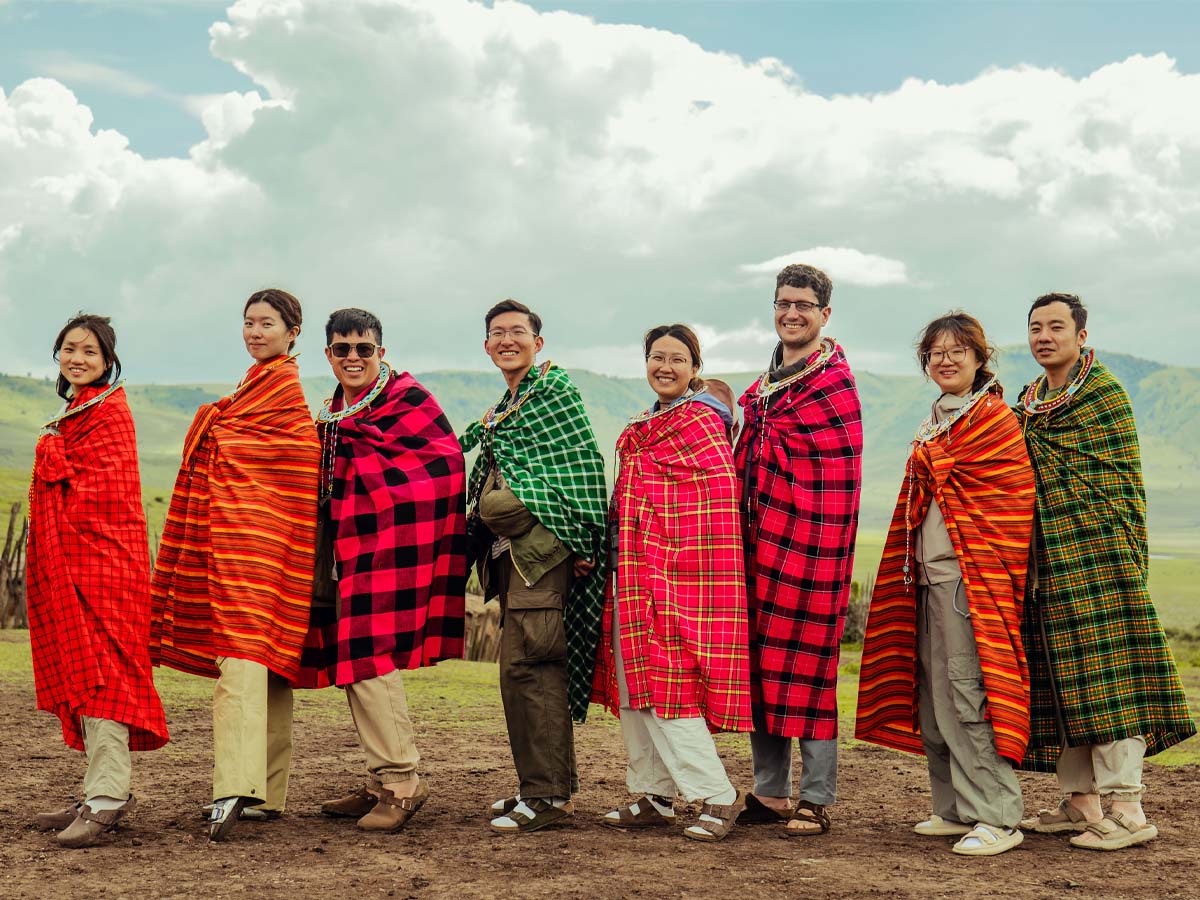
The Maasai primarily engage in livestock breeding, raising cattle, and producing meat and milk. Many Maasai also work in tourism. Despite their ancestral lands being turned into national parks and the region becoming a popular tourist destination, the Maasai still preserve their traditions and customs. They continue to perform vibrant dances, sing songs, and participate in traditional initiation ceremonies. Many women adorn their bodies and stretched earlobes with intricate beadwork.
Most groups still live in kraals villages where homes are arranged in a circle with a central cattle enclosure. Kraals are surrounded by acacia thorn fences to protect the livestock from lion attacks.
The importance of cattle, goats, and sheep in Maasai life cannot be overstated: they serve not only as sources of sustenance but also as indicators of social status. Having cattle and children are the two most important aspects of life for the Maasai, and a traditional prayer translates as “May the Creator give us cattle and children.”
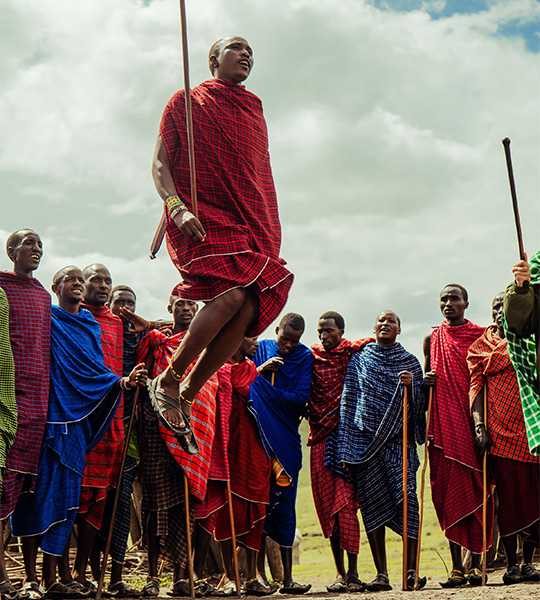

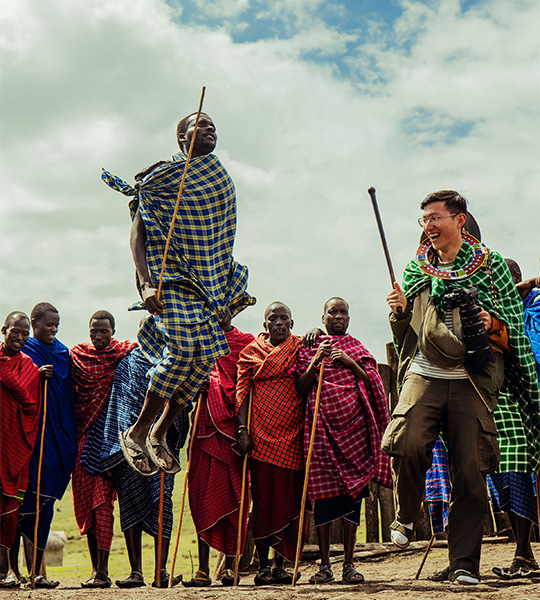

The Maasai are monotheists, believing in a single god, Engai, who can be both benevolent and malevolent. In Northern Tanzania, south of Lake Natron, lies the Maasai sacred volcano Ol Doinyo Lengai, also known as the “Mountain of God.” The Maasai come to the volcano to pray to the god for relief from current misfortunes and for the treatment of diseases or infertility. Climbing the Mountain of God is possible, but travelers need to be well-prepared as the route is challenging and involves a steep ascent.
The Maasai speak a Nilotic language known as Maa, although most also speak Swahili.
“A Maasai warrior is a fine sight. Those young men have, to the utmost extent, that particular form of intelligence which we call chic; daring and wildly fantastical as they seem, they are still unswervingly true to their own nature, and to an immanent ideal. Their style is not an assumed manner, nor an imitation of a foreign perfection; it has grown from the inside, and is an expression of the race and its history, and their weapons and finery are as much a part of their being as are a stag’s antlers.”
– Karen Blixen –
Tanzania recognizes over 120 tribes of native people. The Maasai were the dominating tribe at beginning of 20th century. They are one of the very few tribes who have retained most of their traditions, lifestyle and lore. In common with the wildlife with which they co-exist, the Maasai need a lot of land. Unlike many other tribes in Tanzania, the Maasai are semi nomadic and pastoral: they live by herding cattle and goats.
The Maasai have not fared well in modern Africa. Until the European settlers arrived, fierce Maasai tribes occupied the most fertile lands. The Maasai struggled to preserve their territory, but their spears were no match for armed British troops, and their lawyers never had a fair chance in British courtrooms. In 1904, the Maasai signed a first agreement, losing the best of their land to the European settlers.
Seven years later, in 1911, a very controversial agreement was signed by a small group of Maasai, where their best Northern land (Laikipia) was given up to white settlers. Surely, they did not fully understand what the consequences of such a treaty were, and anyway the signatories did not represent the entire tribe. With these two treaties, the Maasai lost about two thirds of their lands and were relocated to less fertile parts of Kenya and Tanzania.
Less land for an ever growing Tanzanian population means less land for the Maasai, their livestock, and wildlife. More and more, a lion will take a cow or some goats and get killed in retaliation, different compensation programs, reimbursing livestock killed by lions (and other predators).
In the past, the Maasai and the wildlife simply lived together, in balance. If this could be re established, by showing to the Maasai the economic value of the presence of wildlife in their land, the future of the land, of the wildlife and of the Maasai people will be assured.
The Maasai tribe, historically a nomadic people, have traditionally relied on readily available materials and indigenous technology to construct their unusual and interesting housing. The traditional Maasai house was designed for people on the move and thus their houses were very impermanent in nature. The Inkajijik (houses) are either circular or loaf-shaped, and are made by women.
Their villages are enveloped in a circular Enkang (fence) built by the men and this protects their cattle at night from wild animals.
Traditionally, the Maasai music comprises of rhythms rendered by a chorus of vocalists singing harmonies, all the while the olaranyani (song leader) sings the melody. The olaranyani is usually the person who can best sing that song. The olaranyani starts singing the namba of a song and the group responds with one unanimous call in acknowledgment. Women recite lullabies, hum songs and sing music that praises their sons.
One elision to the vocal creation of Maasai music is the function of the horn of the Greater Kudu to summon morans (initiates) for the Eunoto ceremony (a coming of age ceremony). The ceremony usually lasts ten or more days. [And the singing and dancing around the manyattas involve flirting. Young men will line and chant and the women stand in front of them and sing in counterpoint to them. Contemporary Hip Hop musicians from northern Tanzania are now incorporating traditional Maasai rhythms, chants and beats into their music.
Government policies focusing on the preservation of their national parks and reserves, with the exclusion of the culturally rich Maasai tribe, have now made the traditional Maasai way of life increasingly difficult to maintain and preserve for coming generations to experience and learn about.
During recent years, projects have been implemented to help Maasai tribal leaders find a way to preserve their traditions and way of life while also trying to balance the education needs of the Maasai children for the modern world.
Many Maasai people have stirred away from the nomadic life to positions in business commerce and government roles. Yet despite the modernized urban lifestyle they lead, many Maasai’ still happily head homewards clothed in designer brands, only to emerge from the traditional lands wearing their traditionally colourful shuka, cowhide sandals and with a wooden orinka in their hand at ease with themselves and the world.
Maasai Clothing
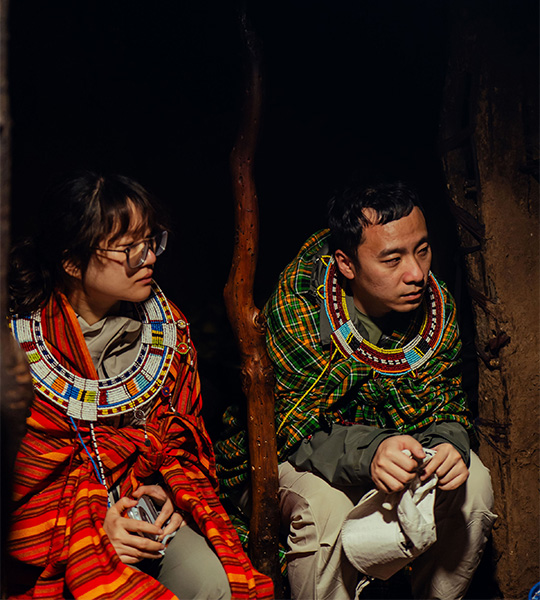
Clothing varies by sex, age and place. Young men wear black for several months after their circumcision. Although, red is a favored color among the Maasai. Black, Blue, checkered and striped cloth are also worn, together with mulitcoloured African garments. In the 1960s the Maasai began to replace sheepshin, calf hides and animal skin for more commercial material. The cloth used to wrap around the body is the called Shúkà in the Maa language.
Many Masai Mara safari lodges offer Maasai cultural interactions and experiences. Safari walks and game viewing are often conducted by local Maasai who know the secrets of the Tanzanian Parks and its wildlife.
Different lodges and Safari Camps offer incredible immersive safari experiences with the Maasai including running with a Maasai warrior, medicinal plant walk, foraging, Maasai warrior school and cultural visits.
The Sukuma tribe, one of the Bantu ethnic groups, represents the largest ethnic group in the country, making up about 16% of Tanzania’s total population. The Sukuma live in the north of the country and in the southern part of the Lake Victoria coast.
The Sukuma are primarily engaged in agriculture, with their economic activities closely tied to the region around Lake Victoria. They grow sorghum, corn, millet, various types of groundnuts, sweet potatoes, cassava, peas, and rice (mainly in the western and southern areas), as well as cash crops like cotton and sesame.
Livestock farming also plays an important role in their economy. The Sukuma are known for raising cattle. Some livestock products, especially milk and butter, are consumed by the family, while others, particularly hides, are sold. The proceeds are used to pay taxes or exchanged for grain. Cows, goats, and sheep for the Sukuma are not only sources of income and food but also cultural symbols representing wealth and social status.
The Sukuma culture is rich in musical and dance traditions, particularly the “Bugobobobo” dance (or simply “Ngoma”). This colorful performance is a key element of Sukuma festivities and ceremonies. Music and dance serve as a means of passing down the ancestors’ stories, beliefs, and wisdom from generation to generation.
The Sukuma traditionally revered ancestral spirits, believing that they protect the health of living family members. However, today many of them practice Christianity. Additionally, the Sukuma are known for using plants and animals in traditional medicine, considering them more effective than Western medicines.
The Sukuma are primarily a matriarchal society, though polygamy is still common among many of its members.
The Sukuma are divided into two separate groups Kimakia and Kisomayo who speak the Sukuma language and Swahili. They are closely related to the Nyamwezi, with whom they live nearby, and share some cultural features.
“Sukuma literally means “north,” and the Sukuma tribe are “people of the north.” The Sukuma call themselves Basukuma in the plural and Nsukuma when referring to one person”.
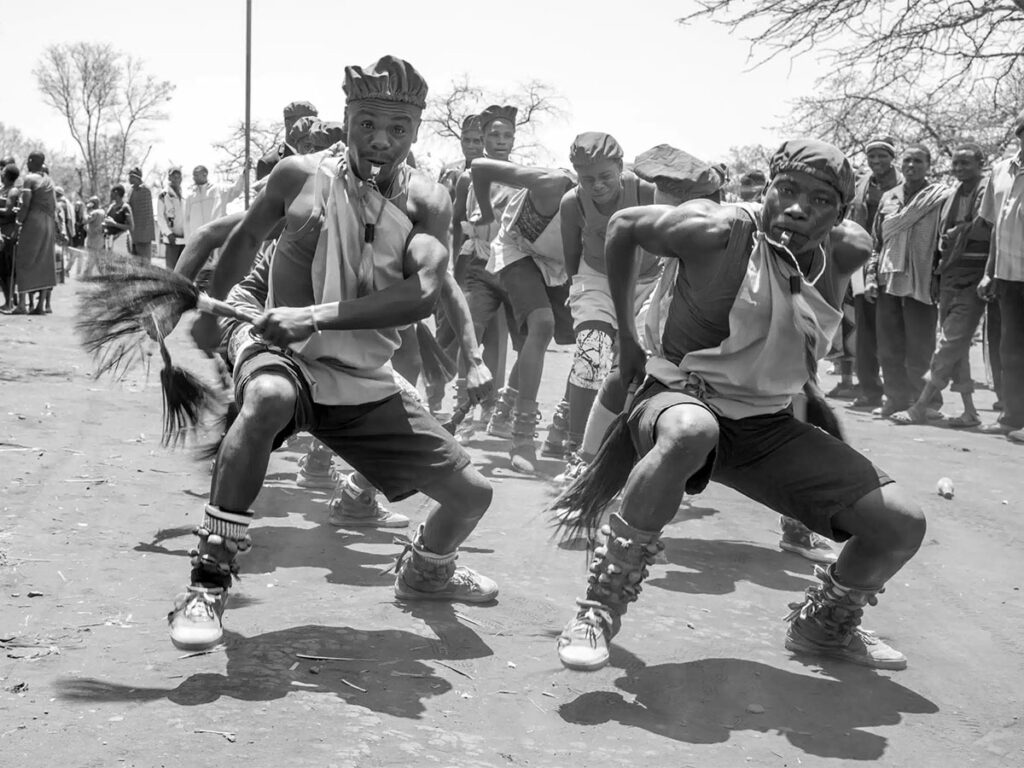
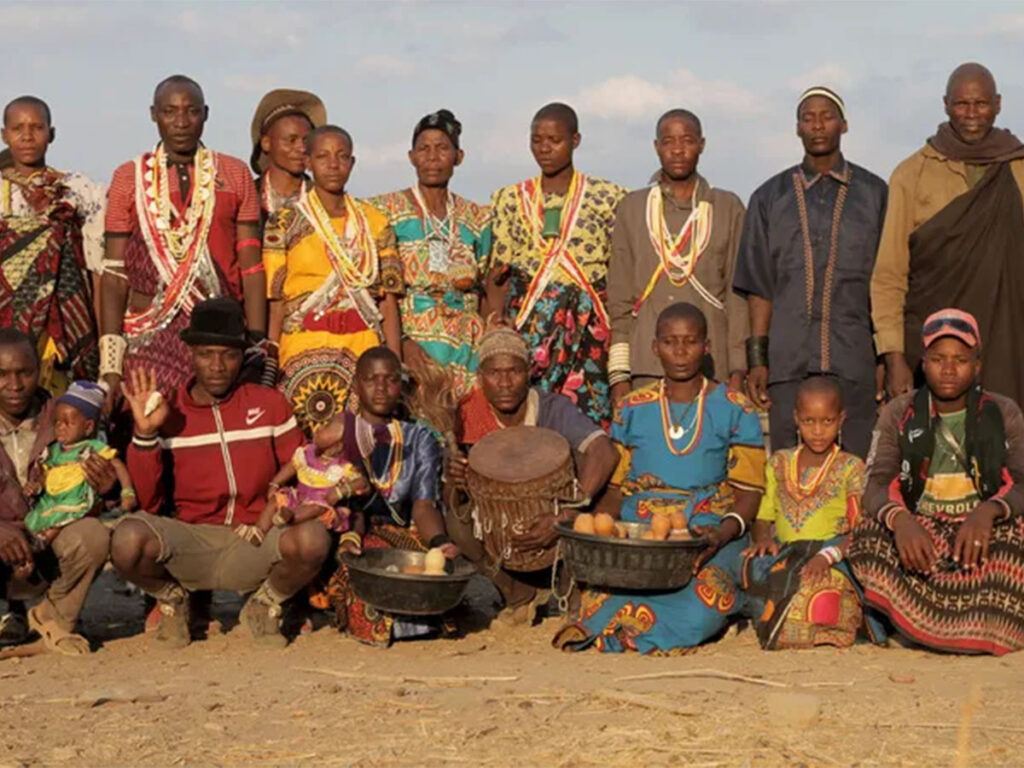
The Chagga are the third largest ethnic group in the country. They live on the southern slopes of Mount Kilimanjaro and Mount Meru. According to some estimates, the Chagga number over 1.5 million people. The Chagga are a Bantu ethnic group people and are primarily engaged in farming and livestock breeding.
In each traditional Chagga home, there is a large household garden where they grow a wide variety of crops, such as coffee, bananas, and other fruits: oranges, lemons, and avocados, as well as sugar cane, flowers, vegetables, and some traditional herbs. Many families also keep cows and chickens. Families usually live in one story concrete houses with corrugated iron roofs. The Chagga practice a tradition known as “kihamba,” where land is passed down from generation to generation through the male line.
Today, the shortage of land has changed the economic structure of the tribe. Many Chagga now work for hire in large cities but still grow coffee as a cash crop. Thanks to access to the fertile volcanic soils of Kilimanjaro and effective farming methods, the Chagga have become the wealthiest of all the Tanzania tribes in Tanzania. Although they grow other crops, it is Arabica coffee that brings most of the tribe’s income.
Due to their geographical location, many Chagga work as guides and porters for tourists attempting to climb local peaks. For example, you can meet some of them when climbing Mt Kilimanjaro.
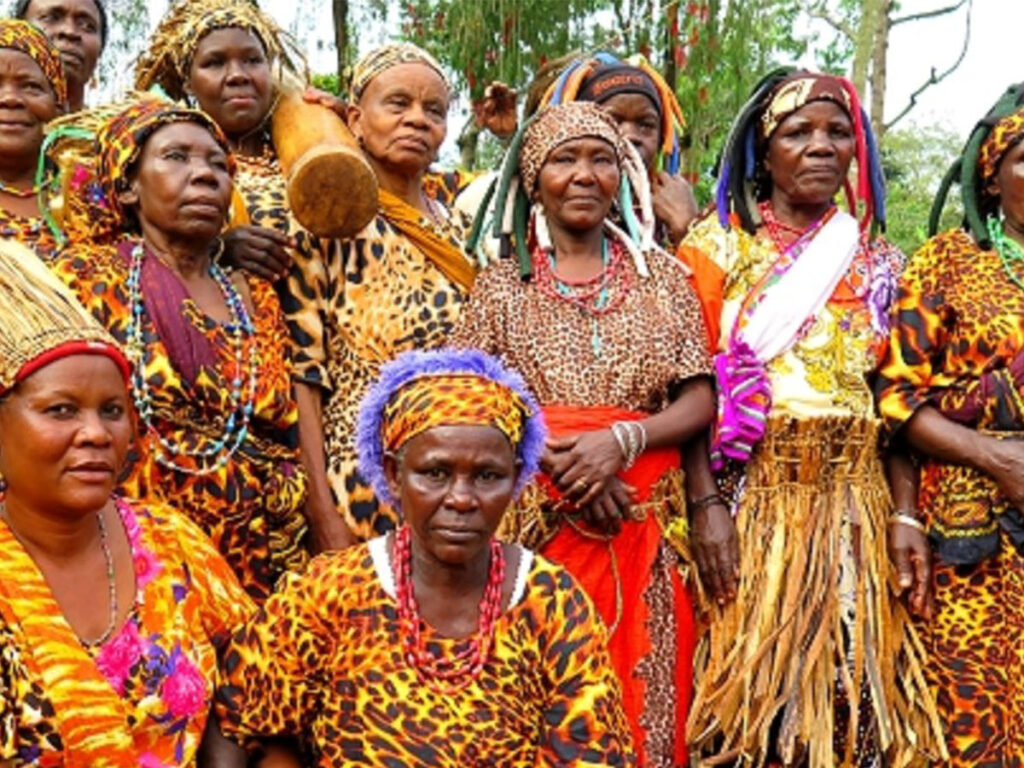
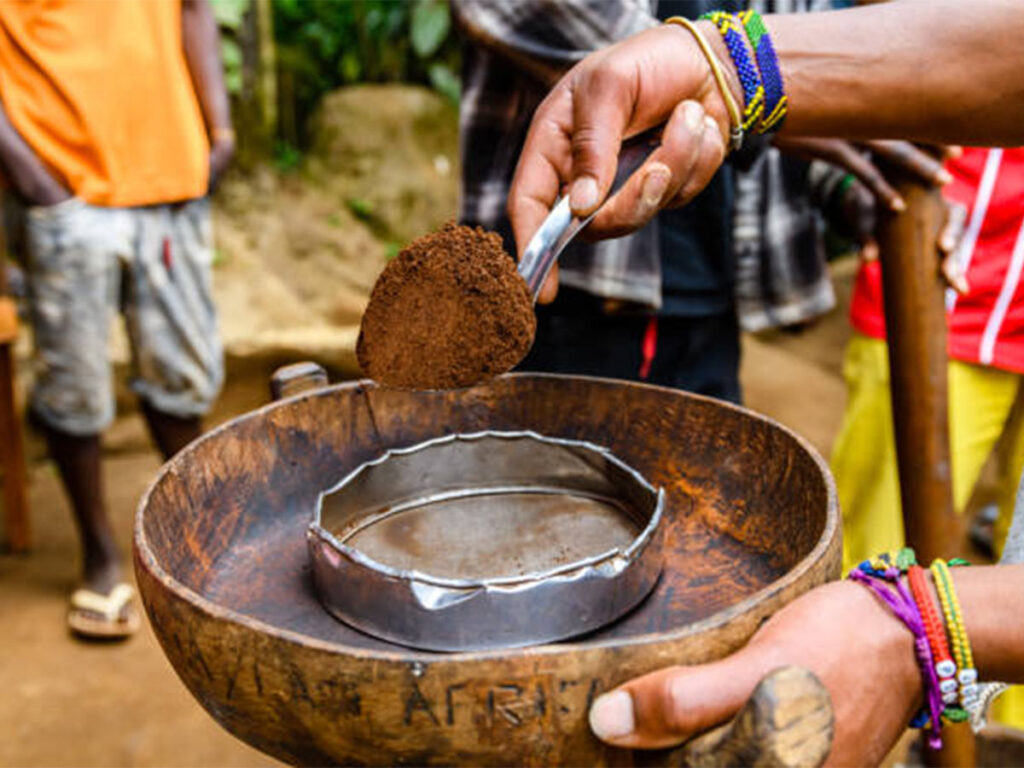
The Hadzabe, an ancient tribe of approximately one thousand members near Lake Eyasi, Tanzania, represent the country’s final community of hunter gatherers. Facing severe challenges, including the loss of 90% of their traditional lands to neighboring pastoral groups, they have successfully resisted numerous assimilations attempts by missionaries and the government. It is inaccurate to label them “primitive”; rather, their culture is a thriving, intentional society that chooses a traditional existence. They consider modern life “lost,” characterized by detachment, distraction, and overstimulation.
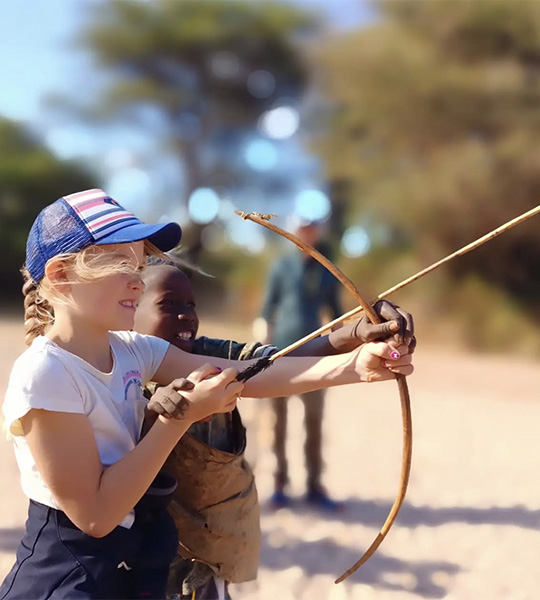
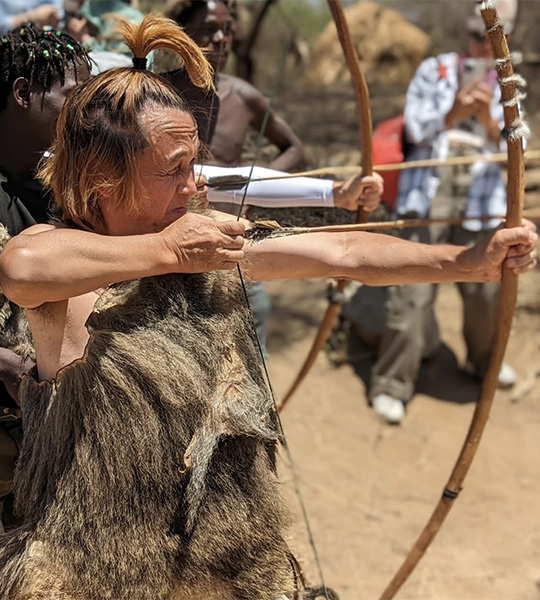
Without livestock or agriculture, the Hadza start most days hunting and gathering. This indigenous ethnic group lives a life that appears “primitive” to outsiders. They follow a simple diet, which they believe is the key to their health. Men typically hunt to bring home meat and honey, while women and children gather fruits, berries, and roots.
One of the most fascinating aspects of the Hadza is their unique language, unrelated to other tribal languages in the region. The Hadza communicate by combining words and click sounds.
To read more about the Hadza lifestyle read our blog post, or meet the tribe members in person by embarking on a trip to Lake Eyasi in north-central Tanzania.

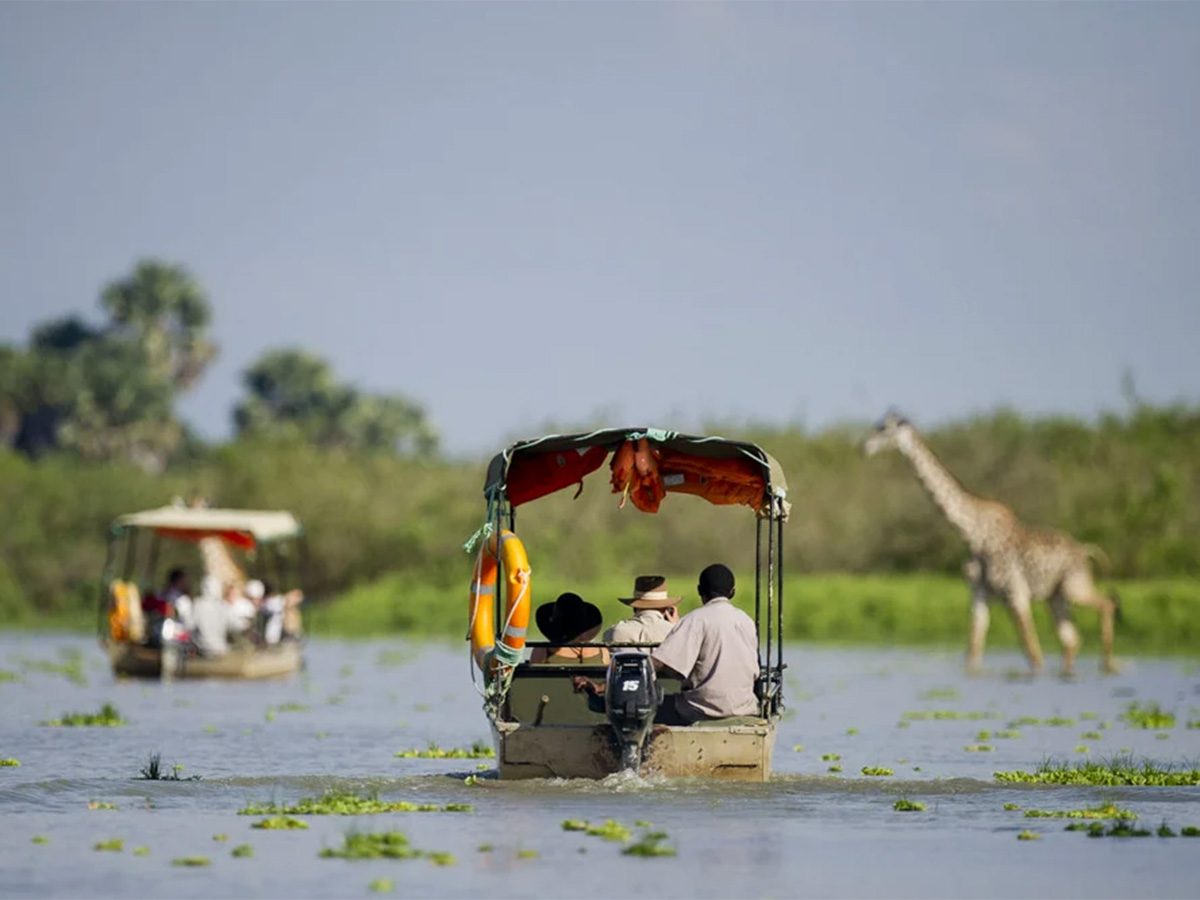
Places to visit: Nyerere National Park
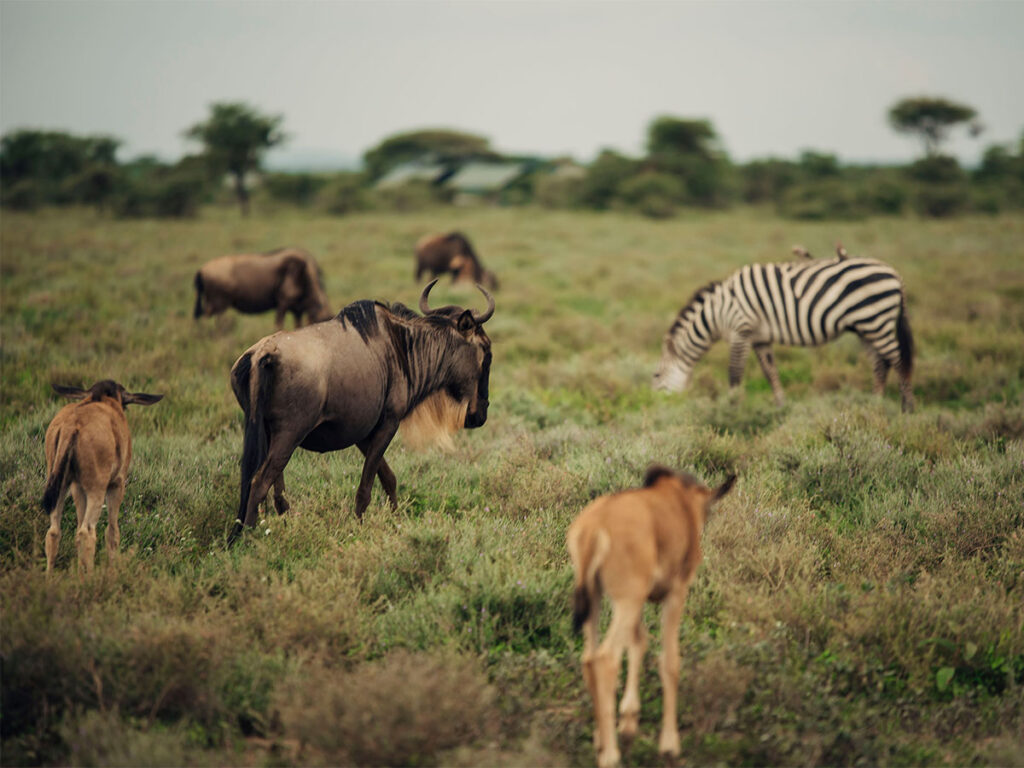
Places to visit: Tarangire, Serengeti and Ngorongoro
Don’t worry! If you can’t find a tour that matches your preferences, our team of experts is here to help. Simply contact us, and we’ll craft a personalized itinerary designed around your interests, schedule, and budget.