
Authentic Tanzania Safari & Mount Kilimanjaro Experts
Authentic Tanzania Safari & Mount Kilimanjaro Experts
Tanzania, the largest country in East Africa, is widely regarded as one of the most peaceful nations in the region. However, some travelers may feel uncertain about visiting, particularly due to global health concerns in recent years and information online suggesting risks related to crime, terrorism, or safety for LGBTQ individuals. This raises an important question: how safe is Tanzania for visitors?
Currently, there has been an increase in worries around traveling anywhere because of the COVID-19 pandemic. However, before, during and even after COVID-19 all travelers travel at their own risk. We encourage travelers to exercise reasonable caution and common sense, but to not be afraid to experience a new destination and embrace the wonders of Tanzania.
We would like to specifically address the following concerns: crime, and the claim of risks to LGBTQ persons.
It is a good question to ask why you may rely on our travel advice. The answer is simple: we have been living in the Kilimanjaro region since 2013, and we know everything and everyone around here.
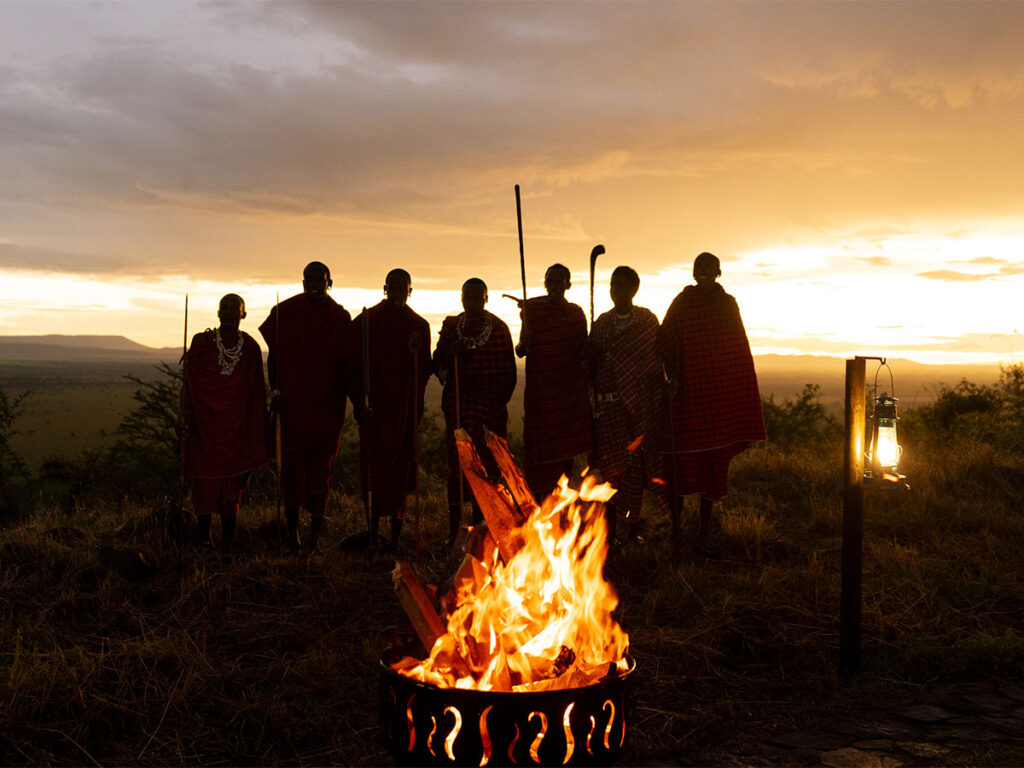
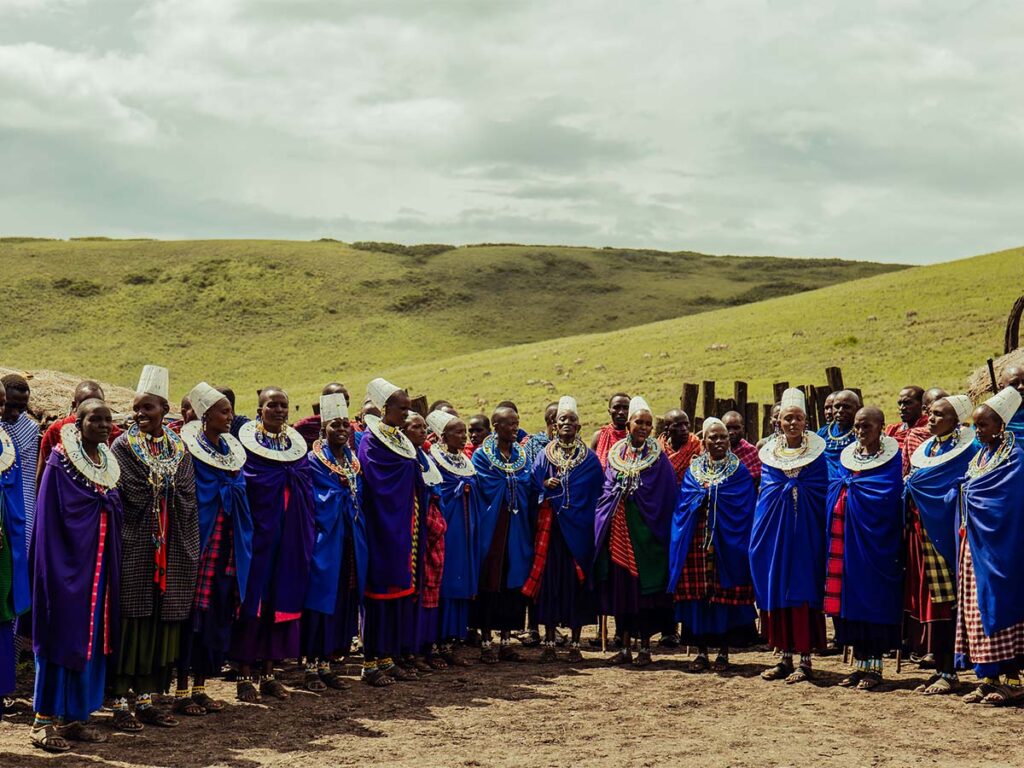
Some travel advisories mention crime, terrorism, and potential risks to LGBTQ individuals as reasons for caution. However, these concerns are often overstated and do not accurately reflect the experience in Tanzania’s main tourist destinations.
Like all vacation destinations, there is petty crime in Tanzania. However, we wouldn’t say it is more common than, for example, the Dominican Republic, Thailand, Egypt, or Kenya. But, we would say it is probably less common than in places such as Paris, France, Venice, Italy or Barcelona, Spain, which have earned a reputation for expert pick-pockets or passport thieves around the most well-known tourist attractions.
Exercising reasonable travel caution is recommended. We encourage all travelers to pay attention to the following:
Pickpockets often work in crowded places such as markets and public transportation hubs. While visiting such places, it is highly recommended to leave cash and other valuables at the hotel. If you need a bit of cash for such excursions, keep your money in a small, hidden pouch, your front pocket, or in a purse that is held at the front of your body. Avoid putting your wallet in your back pocket, or keeping your purse at your side, or back of your body.
We encourage visitors to exercise caution when visiting beaches, especially in Dar es Salaam; do not leave your items unattended on the beach, and avoid contact with local “beach boys”, who are mostly overly-friendly young men trying to start up conversations or selling cheap souvenirs (as a scam to see where you keep your wallet).
Tanzania’s largest city, Dar es Salaam (among other large cities), sometimes has occurrences of robberies. Nearly all instances are of the “snatch and run” technique – an attacker simply grabs a bag and tries to get lost among the busy city crowd.
Thus, do not carry your valuables in a bag; better lock them in a hotel safe. And of course, do not leave your luggage unattended. At night, we recommend travelers take a hotel taxi instead of walking, or only using official white-and-green taxis, never private cars.
All of Wild and nature safaris’s guests are accompanied by a driver or guide who is familiar with the areas, and helps to prevent and protect against all types of misadventures. If a guest specifically requests to visit an area or tour a city without a guide or driver, it can be allowed, but at the individual’s own risk.
Violent crime
In spite of lots of misleading articles available on the Internet (some of them, sadly, published by reputable sources), violent crime against tourists is something extraordinarily rare in the northern part of Tanzania, including the popular tourist cities of Arusha and Moshi.
In nearly a decade of our time operating in Tanzania, we have heard of only a few isolated incidents of armed robberies – all of which have occurred in coastal areas of Eastern Tanzania, and not in Northern Tanzania.
Another one-off offense we have heard of are individuals being accosted as they withdrew money from an ATM at night in Dar es Salaam. To our knowledge, these people were not injured, although they did have money stolen from them. We do not recommend going to ATMs after dark, and suggest visitors attend ATMs which are guarded by a security guard (which is common for nearly all banks and ATMs in Arusha and Moshi).
It is also important to mention that the overwhelming majority of Tanzanians are people of kindness and peace who welcome foreigners with respect and care. Violence, as a means of addressing conflict, is largely unheard of in the general Tanzanian population. Further, the tourism industry plays a major role in the economy of Northern Tanzania, especially in the towns of Arusha and Moshi.Therefore, many individuals appreciate and welcome travelers and want to reinforce a positive image of the nation, even so far as to go out of their way to accomodate a lost traveler or foreigner having a difficult time communicating.
All things considered, the chance of a traveler being the victim of a robbery or mugging in Tanzania is not any more than in popular travel locations in the United States or Europe. To prevent such incidents, it is advised to exercise common sense, avoid unsavoury areas, take taxis at night instead of walking, attend banks and ATMs during daylight hours, don’t carry large amounts of cash, and keep your personal items with you at all times.
Categorizing Tanzania as a country with a threat of terrorism is certainly disputable. The latest act of terrorism in Tanzania was in 1998, well over 20 years ago.
More recently, there was an attack on a small Tanzanian village in the southernmost part of the country, along the border with Mozambique. Reports suggest the extremists hail from Mozambique and have a history of violence and attacks throughout Mozambique, and question the safety and security of this neighboring nation than of Tanzania. The Tanzanian military is working in conjunction with the Mozambique Army to capture and bring these assailants to justice.
Beyond these rare attacks, Tanzania is not only a generally safe and peaceful nation, but takes in refugees from neighboring countries, as UNICEF considers Tanzania a safe haven. Refugee camps near Kigoma continue to care for those fleeing violence from neighboring nations. This is one of the reasons why, out of all East African destinations, Tanzania has quickly grown into the most popular destination for safari goers.
Targeting of the LGBT persons
Claims that LGBTQ travelers are specifically targeted in Tanzania are often misleading. While the country is socially conservative, this applies broadly to all forms of public affection, regardless of orientation.
In Tanzanian culture, romantic expression is considered private, and public displays of affection are generally discouraged for everyone. This cultural norm is not intended to single out any particular group.
There have been no widely reported cases of tourists being mistreated based on sexual orientation. Visitors who respect local customs and social norms are unlikely to encounter issues.
With this understanding, we can confidently say, we have not ever once seen a single case of a tourist being ill-treated based on their sexual orientation.
We can assure you that as long as common decency norms are followed, no one will be troubled because of the partner someone prefers to be with.
So, is Tanzania a safe country to visit?
Yes, it is. Ask Wild and Nature Safaris travelers who have experienced Kilimanjaro, safari parks and all other wonderful places throughout Tanzania in recent months.
If you have any further questions or concerns, please do not hesitate to ask our dedicated Travel Consultants.
We are passionate about Tanzania, and believe that this is not only a safe nation to visit – but one of the most beautiful, natural and interesting destinations in the world! Don’t allow inaccurate information persuade you from the adventure of a lifetime in East Africa.