Authentic Tanzania Safari & Mount Kilimanjaro Experts
Authentic Tanzania Safari & Mount Kilimanjaro Experts
Do you have climbing Mount Kilimanjaro on your bucket list? Then this guide is for you. Mount Kilimanjaro is the tallest peak in Africa, located in Tanzania. Africa’s tallest mountain stands at 5,895 meters (19,340 feet). It is the world’s highest stand alone mountain rise, one of the many reasons it attracts thousands of visitors each year.
Kilimanjaro has a structure that makes it easy for first time climbers. The trek up the mountain involves no technicalities. As a beginner, all you need is proper physical preparation to reach the summit of Mount Kilimanjaro.
Mount Kilimanjaro is located northeast of Dodoma, Tanzania’s capital. Although the entire mountain is in Tanzania, it is visible from both Tanzania and Kenya. It is approximately 140km (87miles) south of Nairobi, the Kenyan capital, and 321km (200 miles) from the Equator.
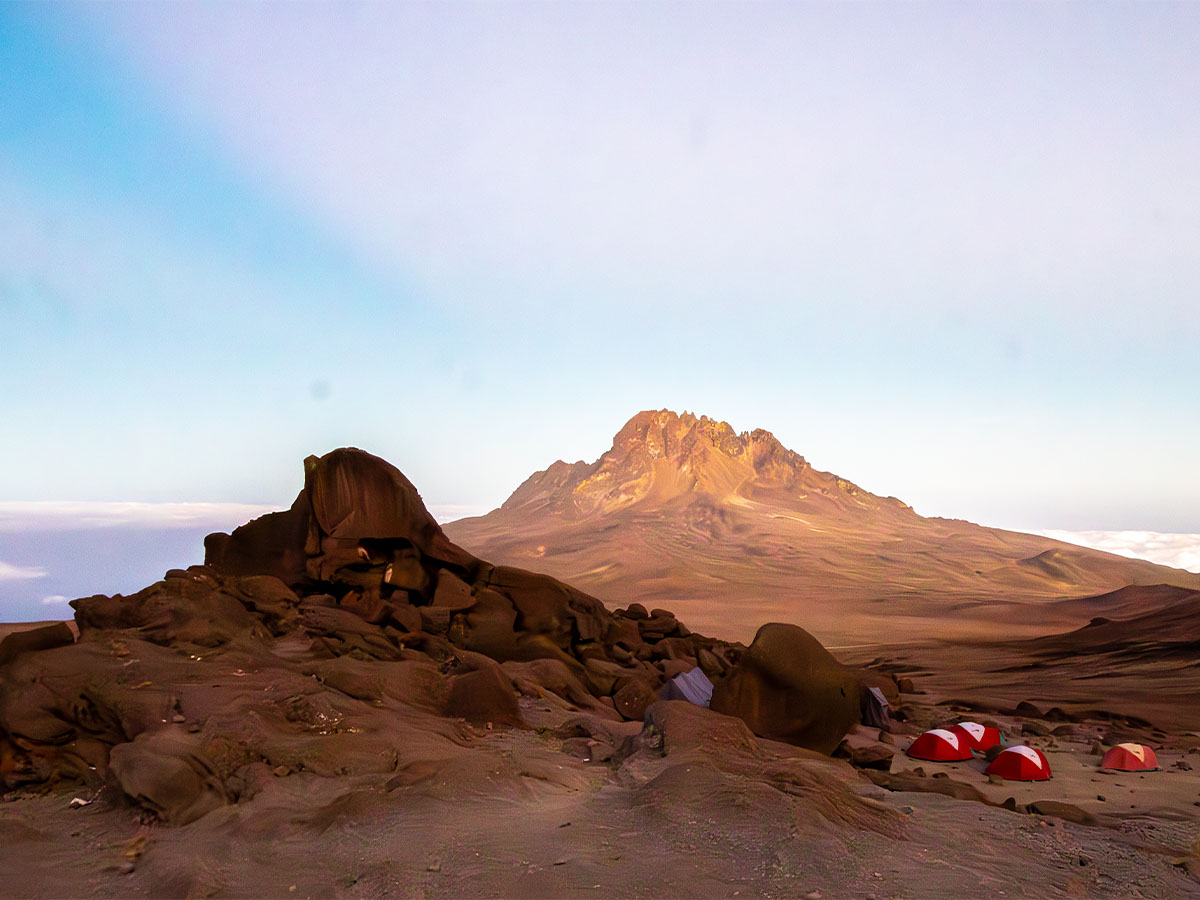
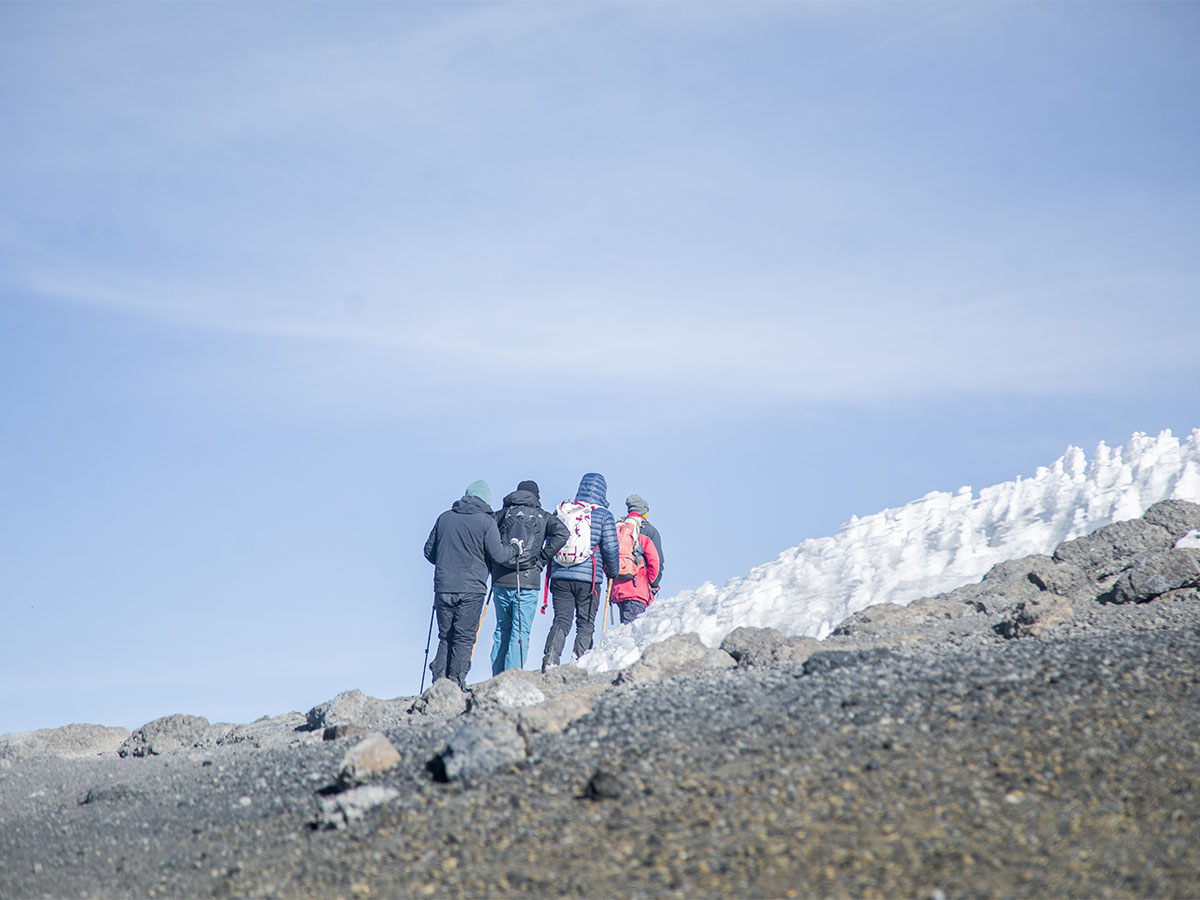
A new hiker can climb Kilimanjaro. From a distance, it may look overwhelming, but trained guides will lead you every step of the way. Kilimanjaro is a trekking peak that requires no prior technical knowledge, meaning you do not need extra climbing tools, such as ice crampons, ropes, or specialized equipment. The main challenge you will face is physical endurance, so giving yourself enough time to prepare is essential.
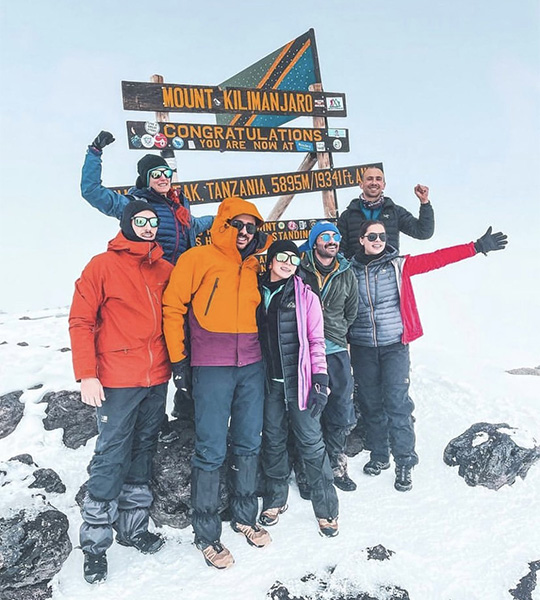
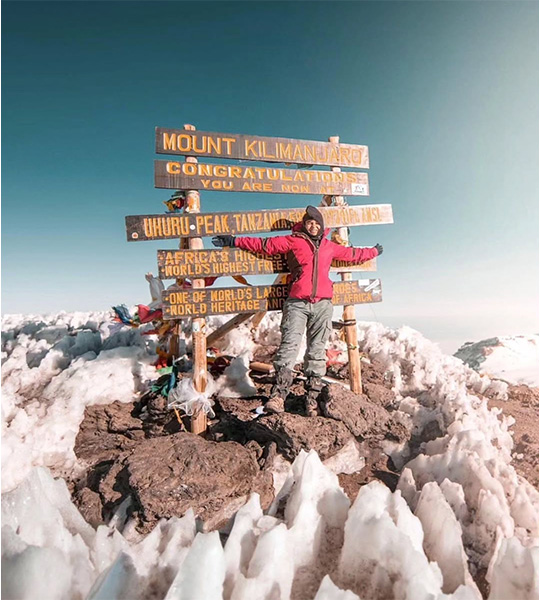
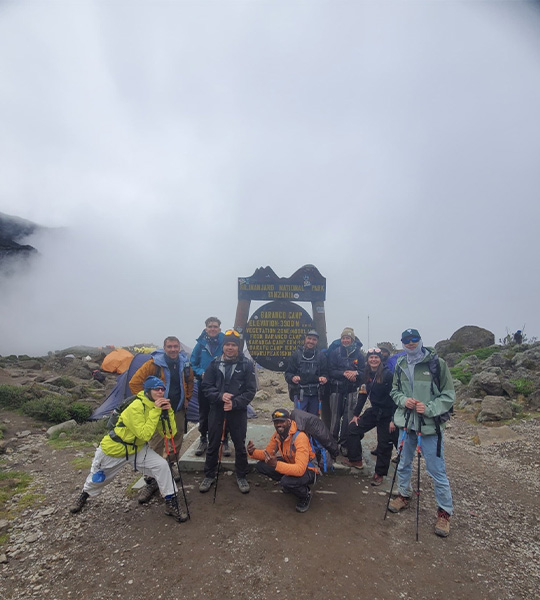
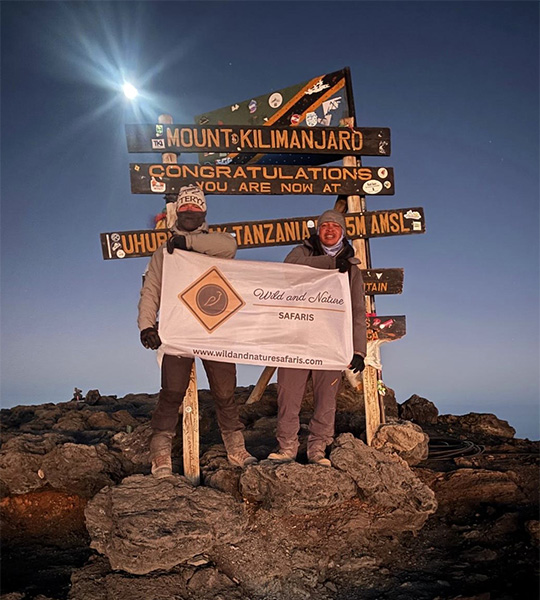
There are seven routes to the highest mountain in Africa. Each path offers an adventurous journey to the top with breathtaking views at different levels. The seven major routes include;
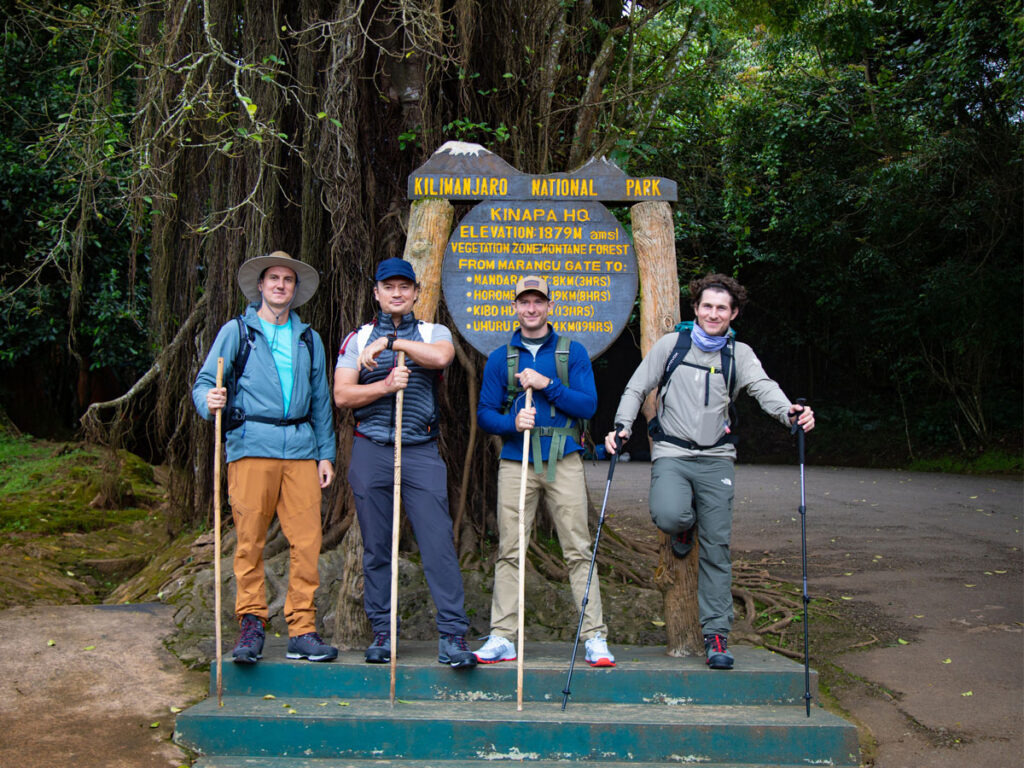
The Marangu Route, also known as the Coca-Cola Route, is the first route to reach Kilimanjaro’s summit. Not only is it the most established route, but it is also the easiest path. There are sleeping dormitory huts along the path where climbers can rest each night. If you take this route, you will complete a round trip in 5 to 6 days.
The Machame route is also called the Whiskey route. It is one step more difficult than the Marangu route. First, it has a different point of ascent and descent. This gives visitors more scenic views along the climb. Unlike the Marangu route, this route is longer. It takes up to seven days to reach the summit. If you’re a beginner, you can choose this route, but consider the 7-day program, as it gives you more time to acclimatize.
The Lemosho route is long but beautiful, with panoramic views on both sides of the mountain. You begin your journey in the west, cross to Shira Camp, and continue through the Machame route. The path is low-traffic until you join the Machame route. In total, a round trip takes eight days. The Lemosho route is also considered the best route for beginners, as it allows more time to acclimatize and has a high success rate.
The Umbwe route approaches Kilimanjaro from the south. It is a direct, steep, and challenging path to the peak. Climbers have to scramble through rocks and tree roots as they ascend the mountain. It takes six to seven days to get to the top, after which descent is made through the Mweka route. Due to its difficulty, this route has less traffic and is usually taken by people who love trekking challenges.
The Rongai route is the only route that begins from the north, near the Kenyan border. The path has a gradual elevation and is not strenuous. It is the following preferred route after the Marangu route. If you seek a quiet climb, this route is a good choice. It takes a minimum of 6 days, but is better done in 7 for acclimatization.
This route is nearly identical to Lemosho but starts at a higher elevation. History says that Lemosho was carved out of Shira. The route begins with a vehicle ride from Londorosi Gate to Morum picnic site with an elevation of 3407 above sea level. It then crosses the entire Shira Plateau from west to east in a flat hike. Due to its high starting elevation, the Shira Route is not recommended for first-time trekkers. A whole trip typically takes 6 or 7 days.
This is the longest route on the mountain, with a round-trip taking up to 9 days. It offers a 360-degree trip around the beautiful, quiet northern slopes. The route begins with a long drive from the west and then descends via the Mweka route. Of all the routes to Kilimanjaro, the Northern Circuit has the highest summit success rate. It is an excellent choice for beginners with the time and the budget for a longer trek.
The Marangu Route is the easiest choice for a first-time Kilimanjaro trekker. It has gentle slopes, secure mountain huts for night rests and a higher chance of success. If you’d prefer a different experience from what this route offers, we encourage you to read more in our guide to know which Kilimanjaro route is best for you.
A typical 7-day journey to climb Kilimanjaro begins at the Machame gate on the first day. Here, climbers trek through moist trails and tall trees before they arrive at Machame Camp. On the second day, the trip continues through scenic views of Shira Ridge and Mount Meru, ending at Shira Camp.
The journey continues on the third day, with many acclimatization activities. Climbers practice the climb high and steep low as they climb up the Lava Tower for lunch. After lunch, you descend to Barranco Camp, where you can rest and prepare for the next day.
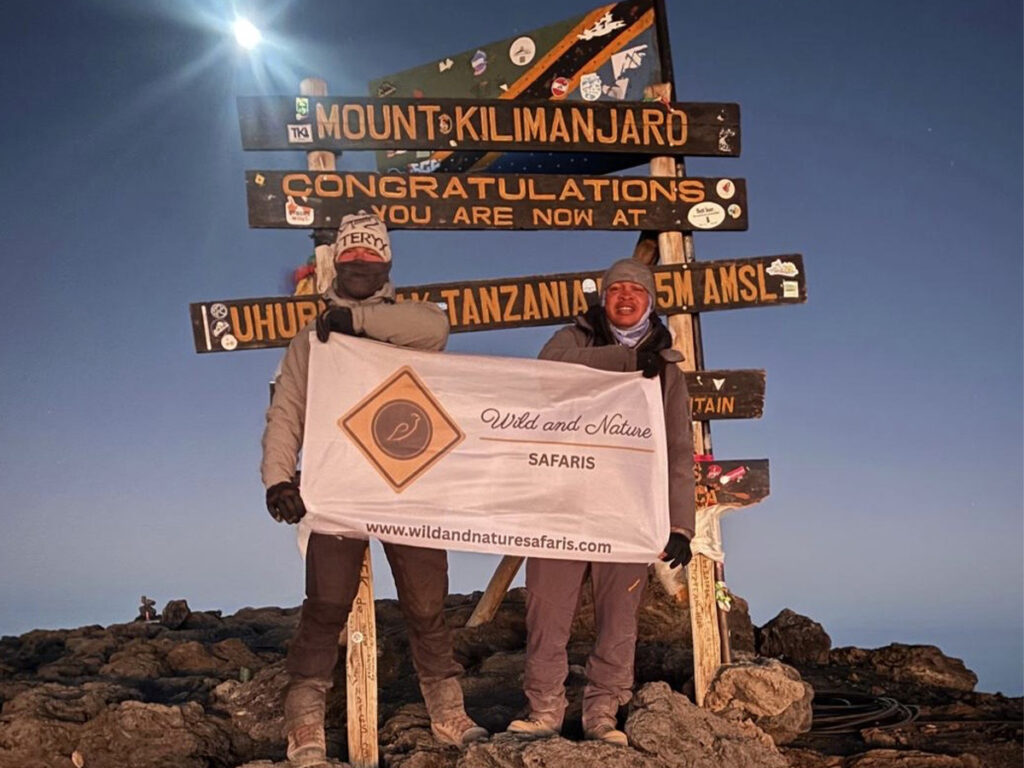
On the fourth day, the trip continues with a steep climb up the Barranco Wall. As you get to the top, you continue along a trail that leads to Karanga Camp. Day five features a trek from Karanga Camp to Barafu Camp, the last stop before the summit. At Wild and Nature Safaris, we begin the final push to Uhuru Peak at midnight so climbers can reach the summit at sunrise and enjoy the view at very first light.
On day 6, the hike is cold, slow, and steady, reaching the peak around 9 am. Climbers can then take photos, take a short break before the final descent to Mweka Camp.
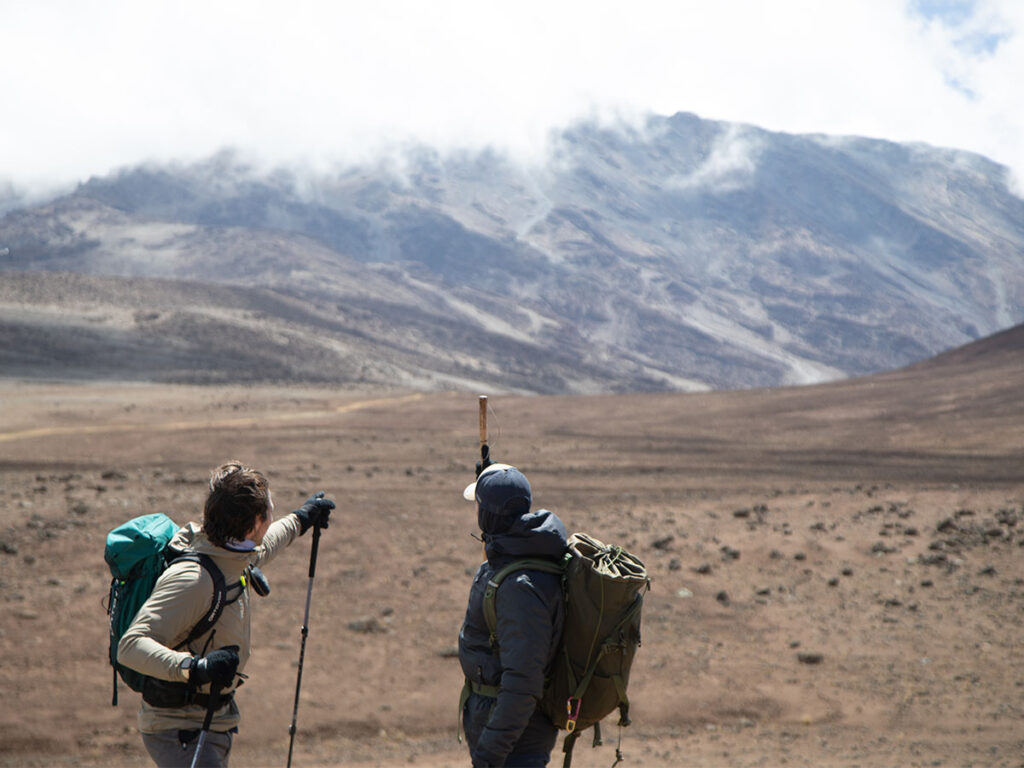
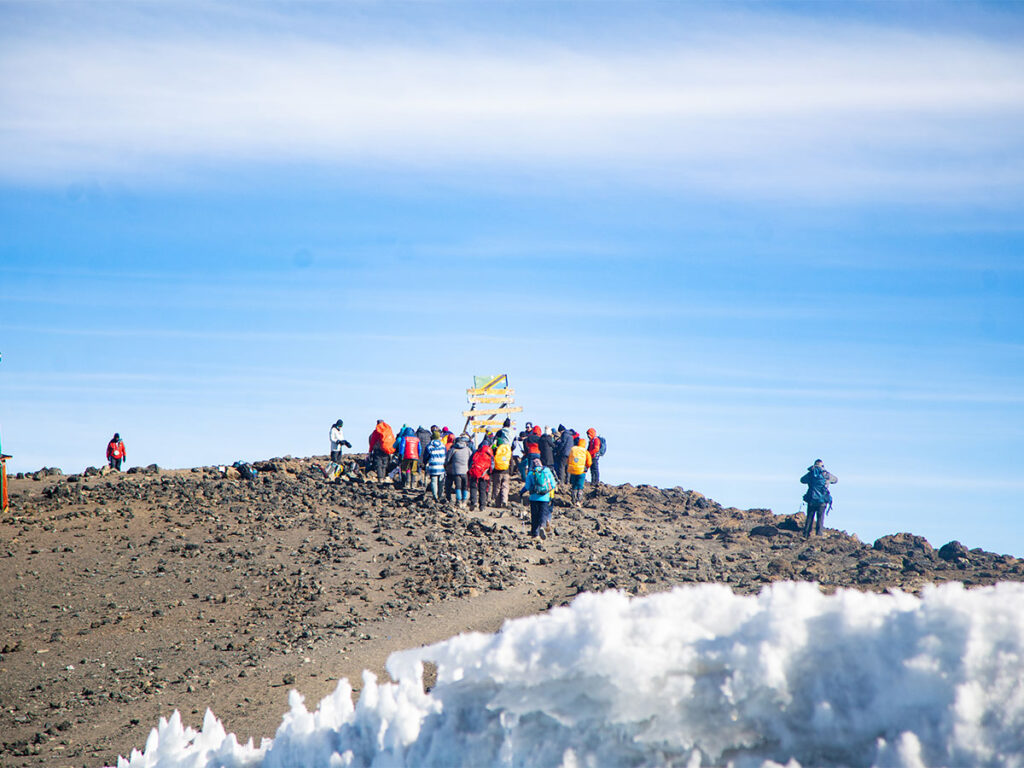
The best time to climb Kilimanjaro is during either of the two dry seasons. Dry seasons occur from December through March and from June through October. On the other hand, there is a short rainy season from November to mid-December and a long rainy season from March to May.
The weather is most stable between June and October. The pathways are dry, with no wet or slippery trails. Many solo and group tourists visit during this period as it coincides with summer holidays. Hence, you can expect extra foot traffic on your trek.
Another good time is during the Christmas holidays. This period offers the same cool weather conditions but with fewer tourists. So, if you seek a quiet experience, December is the best time to climb Kilimanjaro.
This period is another dry season, offering a dry walk up the tallest peak in Africa. The weather is stable, with clear skies and a low chance of rainfall. Not only is the weather stable, but the trail traffic is very low.
First-time trekkers can be worried about the difficulty level of Kilimanjaro. Getting to the top of Kilimanjaro is relatively easy. It does not require any technical skills. In fact, the success rate is high, between 60% to 70%. This means that getting to the peak is achievable.
The first tricky part of climbing this peak is the height. The trek uphill takes between five and eight days, depending on your route. Climbers spend hours hiking each day for a few days in a row.
The weather is another primary concern. While it is favorable during the day, it gets cold and windy at night. The temperature sometimes drops below freezing near the summit. They have to endure cold nights sleeping on mats in the different camp huts.
Altitude sickness is a common risk every climber faces on Africa’s highest mountain. The higher you go, the lower the oxygen level. So, altitude sickness occurs because the body struggles to adapt to lower oxygen levels. If treated lightly, it can lead to more life-threatening conditions like cerebral oedema.
The symptoms of altitude sickness include headaches, nausea, shortness of breath, and difficulty sleeping. Climbers can reduce their chances of getting sick by staying hydrated, better acclimatization, and getting adequate rest between ascents.
Before climbing Mount Kilimanjaro, invest in layers of clothing. You need to layer warm clothes appropriately to stay warm in a wide range of weather conditions. A typical example includes thermal leggings as a base layer, fleece jackets as a mid-layer, and wind- or waterproof jackets as the outer layer. Do not forget to pack thick socks and insulated gloves. You will also need;
Also, it’s important to include basic first-aid items, such as pain relievers and blister care, for mild altitude-related symptoms. For a more detailed breakdown of everything you’ll need.
You do not need supplemental oxygen when climbing Kilimanjaro. Instead, many tour operators have oxygen masks in different camps, which are only administered during emergencies.
You do not need to be an elite athlete before going on the Kilimanjaro climb. However, you need to train consistently in endurance for at least 2 months before your trip. You should spend some time acclimatizing to hills that simulate Kilimanjaro’s terrain. Remember, climbing Mount Kilimanjaro is mostly hiking along steep slopes. If you do not have hills to practice with, you can practice by running up and down steps, biking, and swimming. These exercises will help strengthen your legs and also boost your confidence.
During your climb, you will trek for hours carrying heavy backpacks. So, ensure you practice carrying weight on your back for a healthy hiking posture. If you plan to use gear like trekking poles, ensure you practice with them before your trip.
Climbing Africa’s highest mountain can cost between $2,500 and $9,000, depending on several factors. The first aspect is the number of climb days. If you opt for shorter, 5-6-day climbs, you will pay a discounted rate.
The total Kilimanjaro cost includes mandatory park fees for the Kilimanjaro National Park Authority. The fee covers entry, camping, porter entrance, conservation, and team wages. The price also covers the purchase and maintenance of equipment for visitors who do not bring their own gear. The costs of climbing Kilimanjaro include cooks’ wages and meal ingredients.
Your Kilimanjaro costs also cover your medical safety. Your tour team provides comprehensive medical kits for health emergencies. They also invest in oxygen systems and oximeters to cater to climbers who run out of breath.
Tanzanian law requires every visitor to climb with a guide. Additionally, you need professional support with safety and navigation.
Before you choose a guide, ensure they are aware of the trail conditions on your route. A guide should know if a path is muddy or dry and inform you of any obstacles along the way. Though the weather is relatively stable, you need a guide with years of experience to handle any sudden weather complications. Additionally, your guide should be able to conduct safety checks at key milestones during the trip. They check for food and water availability as well as health risks. If your guide thinks you need a break, you can trust their advice.
Several Kilimanjaro tour operators offer professional guides. Many climbers will choose a team that understands the mountain and its terrain and knows the routes, camps, and challenges through years of experience. For anyone looking to explore their options, our Kilimanjaro trekking packages offer a clear view of how a well-supported Kilimanjaro climb is organized, from route choices to daily logistics.
Many people might have questions about Kilimanjaro vs. Everest. Kilimanjaro is demanding but less technical than Mount Everest. While Mount Kilimanjaro requires no technical climbing, climbing Mount Everest is a technical expedition that requires ice axes, ropes, ladders, and a trek beyond the death zone.
Climbing Kilimanjaro takes between five and nine days, depending on your chosen route of ascent. You spend the first five to seven days climbing, and the last day is for descent.
The failure rate on Mount Kilimanjaro is estimated at 30%–40%. This rate is due to people who develop severe altitude sickness.
Yes. You need a compact, durable, leakproof pee bottle for cramped tent spaces. While the portable toilets serve you during the day, your pee bottle serves you at night.
Don’t worry! If you can’t find a tour that matches your preferences, our team of experts is here to help. Simply contact us, and we’ll craft a personalized itinerary designed around your interests, schedule, and budget.