Kenya · Greater Serengeti Ecosystem

Maasai Mara
National Reserve

Just across the border from the Serengeti lies the northern stage of the same great ecosystem — rolling grasslands where the migration’s river crossings and one of the highest concentrations of big cats in Africa play out.

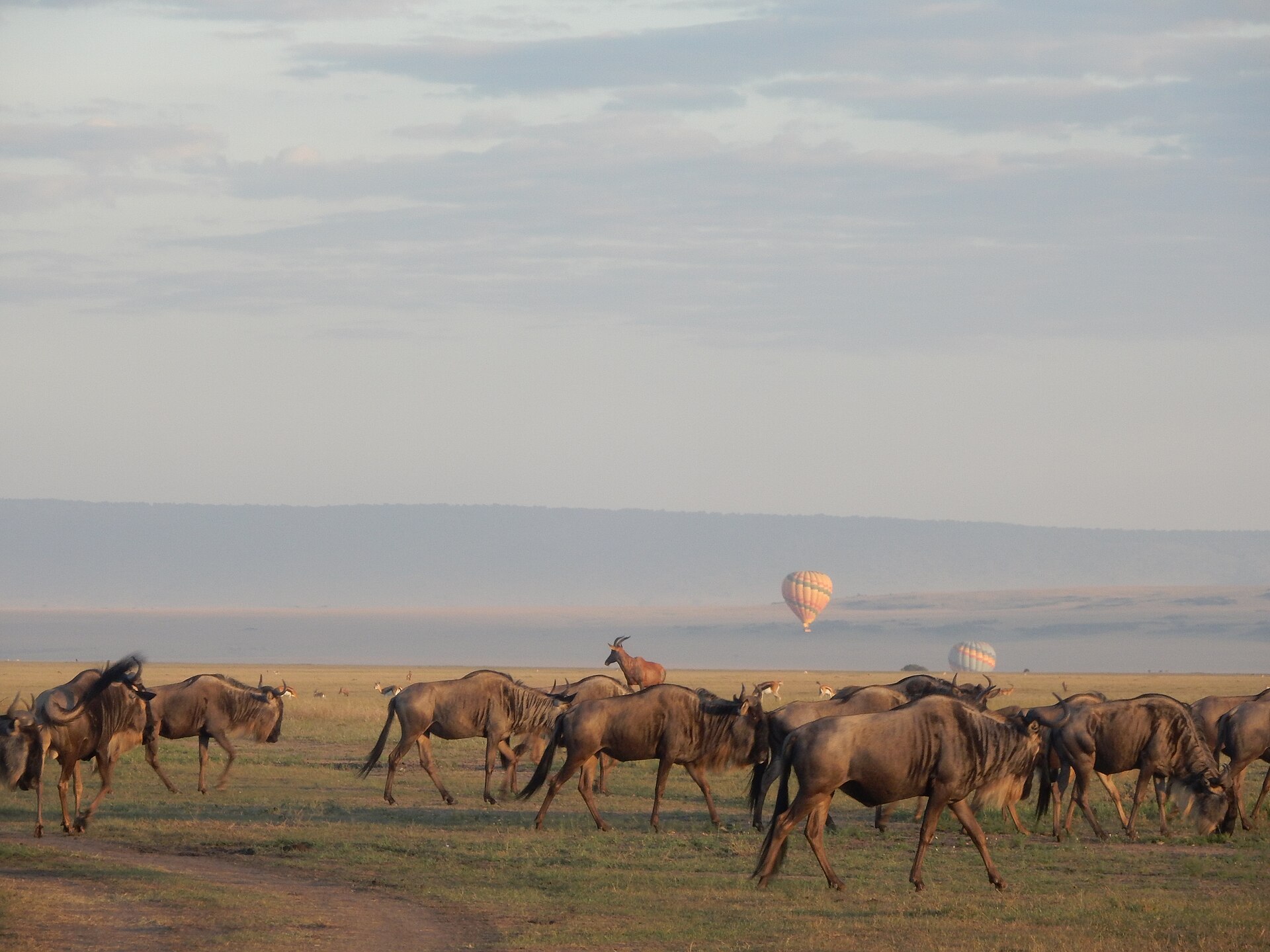
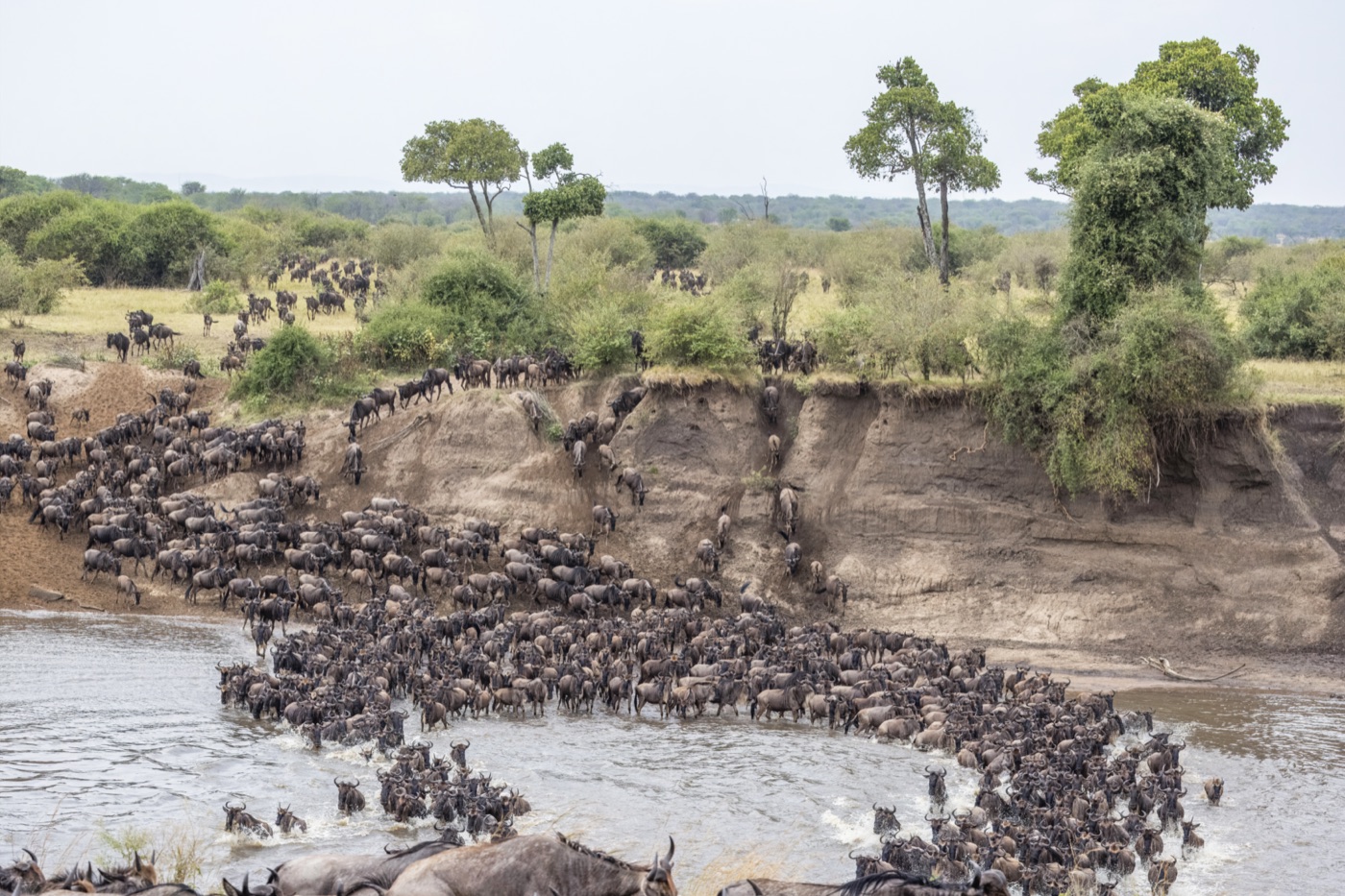
Wildebeest herds streaming across the plains of the Maasai Mara

Kenya · Greater Serengeti Ecosystem · Wild & Nature Safaris

Discover

An Introduction
to Maasai Mara

The Maasai Mara takes its name from the Maasai word for “spotted” — a reference to the way acacia scrub and cloud shadow dapple its rolling plains. Though it covers just 1,510 square kilometres, its open grassland and riverine forest support extraordinary densities of wildlife, and it forms the northern reach of the same ecosystem as the Serengeti, unfenced and continuous.

From July to October, vast columns of wildebeest and zebra pour north from the Serengeti and gather along the Mara River, plunging across in the season’s most dramatic spectacle. But the Mara is far more than the migration: its cheetahs hunt the open plains, leopards haunt the riverine forest, and the neighbouring community conservancies — Mara North, Naboisho, Olare Motorogi — offer night drives, walking safaris and exclusivity that the main reserve cannot.

Location
Narok County, Kenya
Area
1,510 km² reserve
Known For
Migration crossings & big cats
Ecosystem
Greater Serengeti–Mara ecosystem

Wildlife & Natural Highlights

What You Will
Find Here

Every destination has its own rhythm and its own icons. These are the encounters, landscapes and moments that define Maasai Mara.

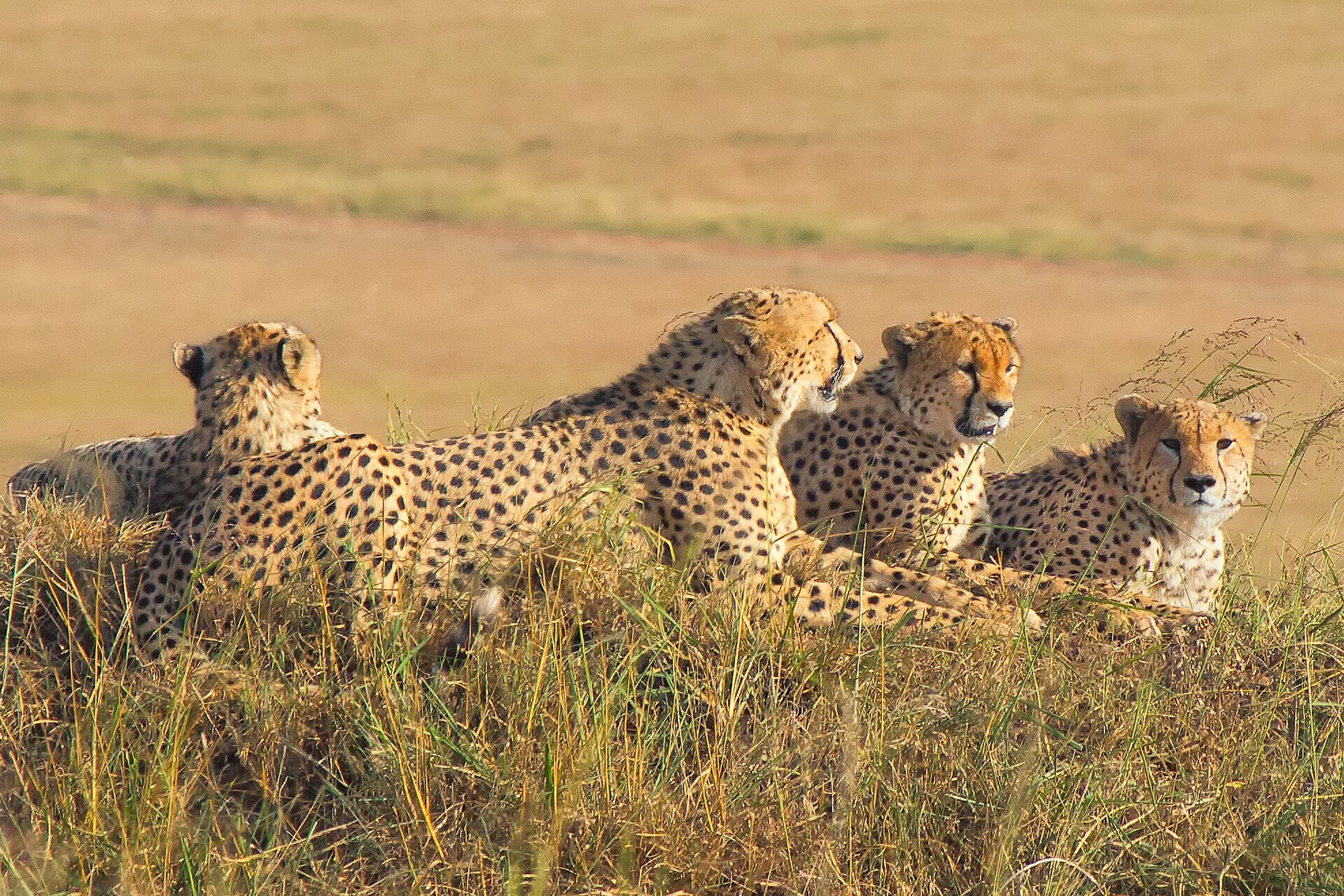
Cheetahs scanning the plains of the Maasai Mara
  • Mara River Crossings

    Between July and October the herds mass on the riverbanks and cross in thundering columns — the most famous wildlife spectacle in Africa.

  • Big Cats

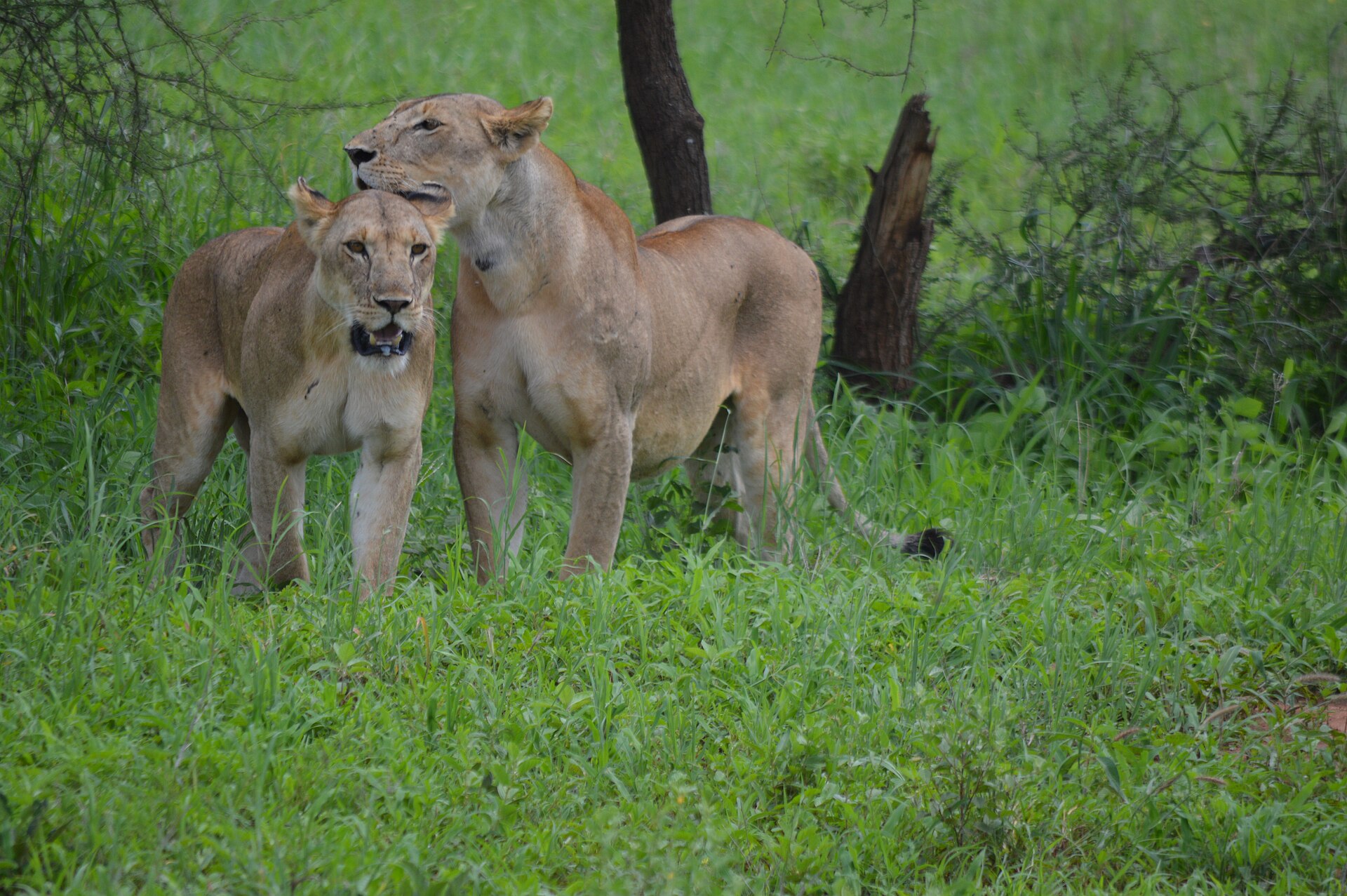
    The Mara holds one of the highest densities of large predators anywhere — resident lion prides, cheetah coalitions and leopards along the Talek and Mara rivers.

  • The Conservancies

    Community-owned conservancies on the reserve’s northern edges offer night drives, walking safaris and a fraction of the vehicles.

  • Balloon Safaris

    Dawn flights over the plains, ending with a champagne breakfast in the grass.

  • Black Rhinos

    The conservancies protect small populations of black rhino — one of the best chances in Kenya.

  • Maasai Culture

    The plains are Maasai land — village visits, guided walks and camps that share revenue directly with local communities.

Best Time to Visit

When to
Travel

July to October for the river crossings · January to February for predators, green plains and solitude.

  1. July – October

    Migration

    The herds fill the northern Mara and the river crossings reach their peak. Peak season — superb wildlife, busy in the main reserve.

  2. January – February

    Green Season

    Short, warm rains leave the plains emerald and the predators hunting newborns. Fewer vehicles, excellent photography and intimate camps.

  3. March – May

    Long Rains

    Quiet and green. Some camps close or move — those that remain offer remarkable value and solitude.

  4. June

    Dry Build-Up

    The plains dry, the herds begin to arrive from the south and the game viewing steadily sharpens.

Safari Experiences

Things to
Do Here

From first light on the plains to the last glow on the water — the experiences that make Maasai Mara unforgettable.

  • Game Drives

    Dawn and dusk drives on the open plains and along the rivers — the Mara is one of the most reliable big-cat destinations on earth.

  • Balloon Safaris

    Float over the herds at first light and land for a bush breakfast on the plains.

  • Walking in Conservancies

    Walk with Maasai guides through the conservancies — tracks, birds and a ground-level view of the ecosystem.

  • Night Drives

    Permitted in the conservancies — aardwolves, servals and hunting lions after dark.

  • Maasai Village Visits

    Spend time in a Maasai manyatta with a community guide — arranged through camps that return revenue to the villages.

  • Photographic Hides

    Several conservancies offer waterhole hides — ground-level photography of elephants, giraffes and plains game.

Recommended Journeys

Safaris That Include
Maasai Mara

Hand-crafted itineraries built around this destination — each one shaped, paced and priced for the way you want to travel.

Thousands of wildebeest crossing the Mara River during the Great Migration

5 Days · 4 Nights

5 Day The Great Migration Trail

Follow more than a million wildebeest across the Serengeti’s endless plains — a private five-day journey through the greatest wildlife spectacle on earth, timed to the herds and shaped entirely around you.

From $3,450 per person

View Itinerary

4 Days Ndutu Migration Safari – The Great Wildebeest Calving Season.

Experience one of nature’s most extraordinary spectacles on this four-day Ndutu Migration Safari, specially crafted around the dramatic wildebeest calving season in Tanzania’s Southern Serengeti.

Private safari · enquire for pricing

View Itinerary
Wildebeest plunging into the Mara River during the Great Migration

7 Days · 6 Nights

7 Days Great Migration Safari

A seven-day private Tanzania safari following the Great Migration north — Lake Manyara, the Serengeti’s central and northern ranges, the Ngorongoro Crater and Tarangire.

Private safari · enquire for pricing

View Itinerary

Travel Information

Before You
Set Out

Getting There
Flights from Nairobi’s Wilson Airport take about 45 minutes to Musiara, Ol Kiombo or Keekorok airstrips. By road, Nairobi to the Mara is five to six hours across the Rift Valley.
Length of Stay
Three to four nights — ideally split between the main reserve and a northern conservancy.
Nearby Parks
The Serengeti lies directly south (cross-border or by short flight); Lake Nakuru and the Naivasha basin combine well en route from Nairobi.
Good to Know
A passport is required for any border crossing into Tanzania. The main reserve is busy at migration time — the conservancies offer the same wildlife with far fewer vehicles. Reserve fees vary by area.

Good to Know

Maasai Mara
FAQs

The questions travellers ask us most often about Maasai Mara.

— Kenya · Greater Serengeti Ecosystem

Should I visit the Maasai Mara or the Serengeti?

Both are superb and they share one ecosystem. The Mara is smaller, denser and easier to reach from Nairobi; the Serengeti is vaster, wilder and hosts the migration for more months of the year. Many travellers combine them.

When are the river crossings?

Crossings peak between July and October as the herds move between the Serengeti and the Mara. They are unpredictable by nature — we plan camps around where the herds actually are.

What is a conservancy and why stay in one?

Conservancies are community-owned areas bordering the reserve. They limit vehicle numbers, allow night drives and walking safaris, and return income directly to Maasai landowners — often the best safari experience in the Mara.

Is the Mara good outside the migration?

Excellent. Resident wildlife — lions, cheetahs, leopards, elephants and giraffes — is here year-round, and the green season months are among the most rewarding and least crowded.

Can I combine the Mara with Tanzania?

Yes — cross-border itineraries with our Kenyan partners link the Mara to the Serengeti by road or light aircraft, or you can fly between Nairobi and the northern Serengeti airstrips.