2 Days Tarangire and Ngorongoro Crater Safari
From $850 per person
View Itinerary
Ngorongoro Highlands
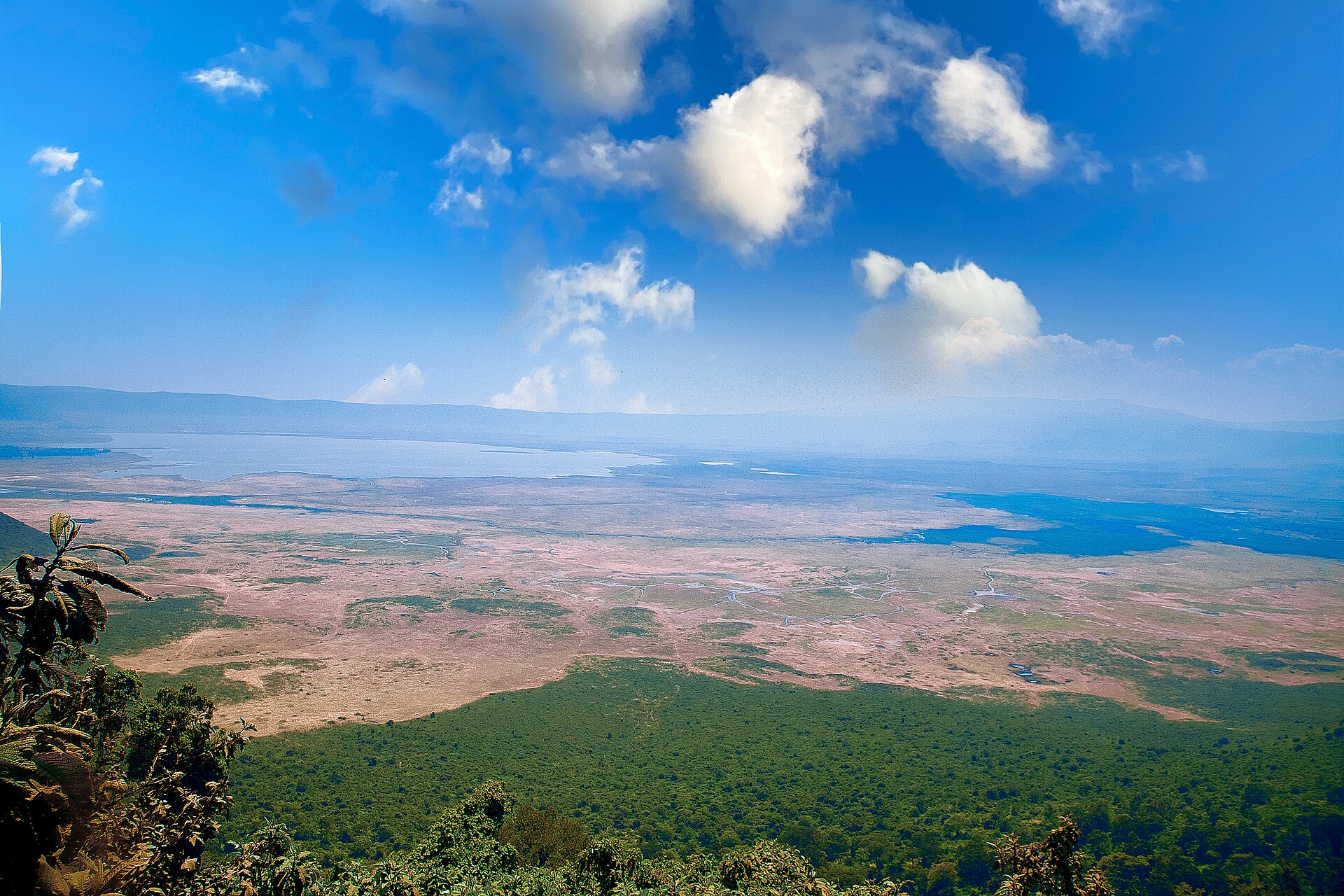
Steep, forested walls rise six hundred metres to a rim wreathed in cloud — and below lies a 260-square-kilometre floor of grassland, soda lake and forest holding some 25,000 large animals.
Ngorongoro Highlands · Wild & Nature Safaris
Discover
Two and a half million years ago, Ngorongoro was among the highest mountains in Africa. When its cone collapsed it left behind the largest intact volcanic caldera on earth — a natural amphitheatre some 260 square kilometres in extent and 610 metres deep, walled by cliffs that keep the world outside at a distance.
The crater floor is a self-contained wilderness: Lake Magadi’s soda shallows draw flamingos, Lerai Forest shelters old bull elephants, and black rhino graze the open grassland within sight of lion prides. Around the crater, the wider conservation area climbs through highland forest and moorland to Empakaai Crater and the archaeological wonder of Olduvai Gorge — while Maasai families still bring their cattle to water here, as they have for centuries.
Wildlife & Natural Highlights
Every destination has its own rhythm and its own icons. These are the encounters, landscapes and moments that define Ngorongoro.
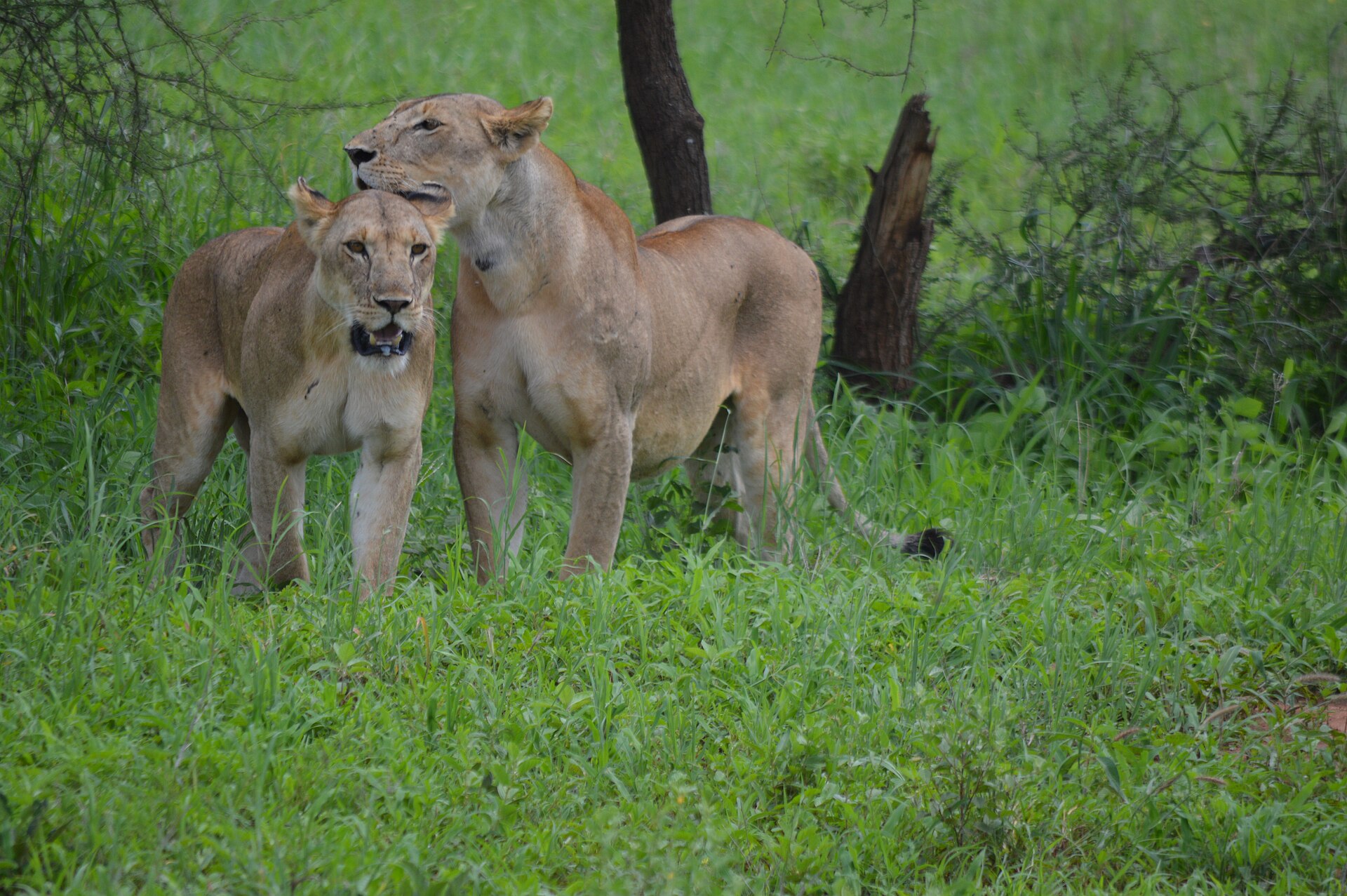
Some 25,000 large animals live within the caldera — wildebeest, zebra, buffalo, eland, hyena and one of the finest predator densities in Africa.
Ngorongoro holds one of the best chances in East Africa of seeing the critically endangered black rhino on open grassland.
Resident prides with famously large-maned males patrol the crater floor, often seen hunting at first light.
The shallow soda lake at the crater’s heart draws lesser flamingos, and its mirror surface doubles the escarpment at dawn.
One of the most important paleoanthropological sites on earth — the Laetoli footprints nearby preserve human footprints some 3.6 million years old.
Maasai pastoralists live within the conservation area, sharing this landscape with wildlife in one of Africa’s most ambitious conservation experiments.
Best Time to Visit
June to October for classic crater game viewing · January to March for the Ndutu calving plains.
June – October
Cool, crisp mornings on the rim and clear game viewing on the crater floor. Wildlife concentrates around water and the grass is short.
January – March
The short-grass plains of Ndutu, within the conservation area, host the Great Migration’s calving — and the predators that follow it.
April – May
Mist rolls over the rim and the highlands turn vivid green. Quiet lodges, dramatic photography and excellent value.
November
Fresh grass, thunderheads building over the highlands and migratory birds arriving on the crater floor.
Safari Experiences
From first light on the plains to the last glow on the water — the experiences that make Ngorongoro unforgettable.
Descend early for a full day on the crater floor, with a picnic lunch beside the hippo pool at Ngoitokitok Springs.
Guided walks along the forested rim with views straight down to the floor — chameleons, turacos and Colobus monkeys in the canopy.
A full-day hike into a neighbouring caldera whose forested floor cradles a flamingo-rimmed lake and almost no other visitors.
Visit the museum and excavation sites of the “Cradle of Mankind” with a local guide.
Spent at the pace of the community — an afternoon with a Maasai family, arranged respectfully through the camp.
Watch cloud pour over the crater walls at first light from a lodge perched on the escarpment.
Recommended Journeys
Hand-crafted itineraries built around this destination — each one shaped, paced and priced for the way you want to travel.
From $850 per person
View Itinerary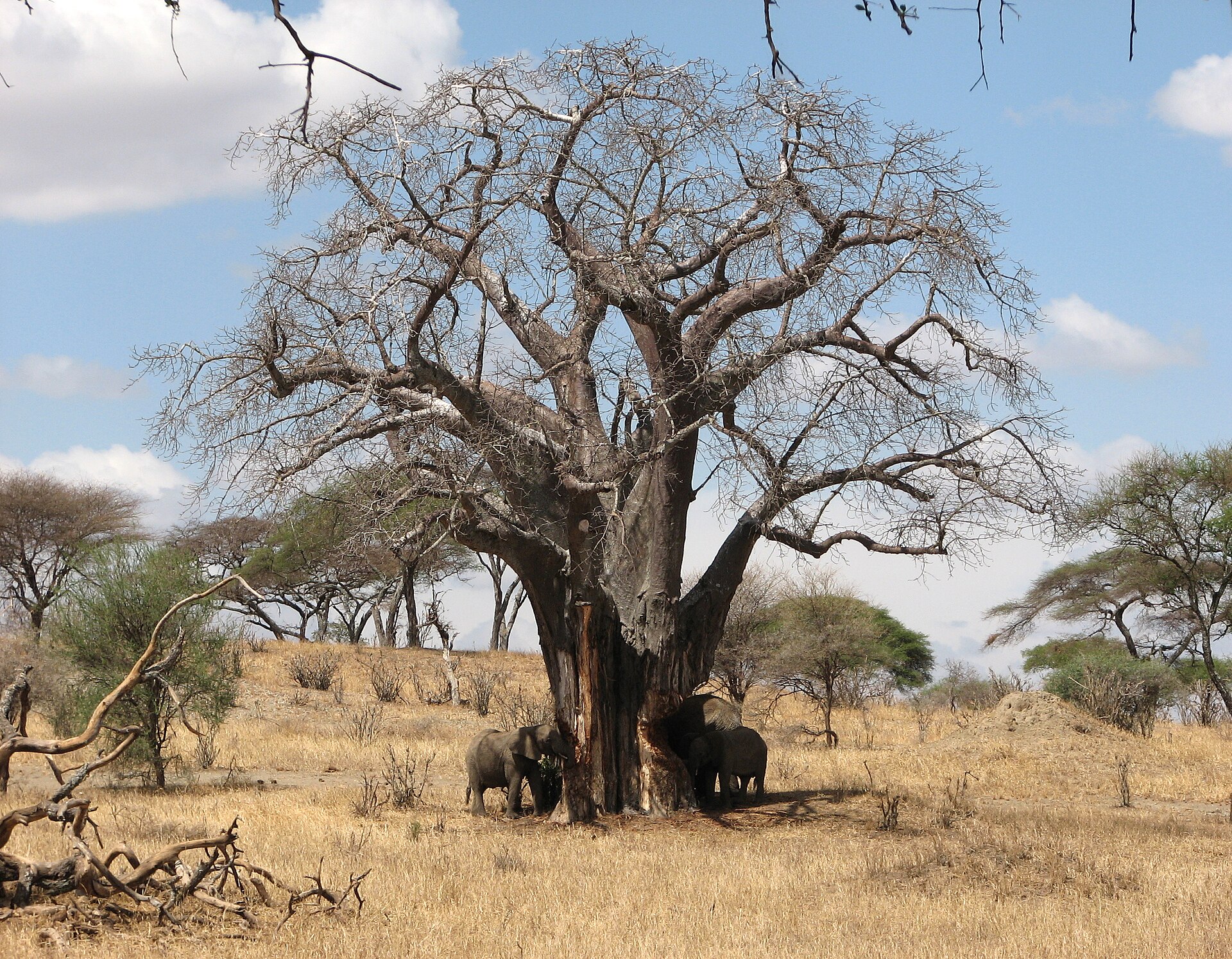
Three iconic northern parks — elephant-rich Tarangire, the wildlife-filled Ngorongoro Crater and the forested shores of Lake Manyara — on one seamless private three-day Tanzania safari.
Private safari · enquire for pricing
View Itinerary
A four-day private Tanzania safari linking baobab-dotted Tarangire, the legendary Serengeti plains and the wildlife-filled floor of the Ngorongoro Crater.
Private safari · enquire for pricing
View ItineraryTravel Information
Good to Know
The questions travellers ask us most often about Ngorongoro.
— Ngorongoro Highlands
Crater permits are issued for six hours per vehicle, which is ample for a thorough game drive with a picnic lunch. We recommend descending at first light, when the lions are still active and the light is at its best.
Cool and often misty. Mornings can be around 10–12°C, so layers matter — particularly for the early descent. Days on the floor warm up pleasantly.
The crater is one of the strongest remaining habitats for the black rhino in East Africa, and sightings are common — though never guaranteed with wild animals.
It is one of the finest introductions to African wildlife anywhere: the density of animals is extraordinary, the landscape is unforgettable, and it pairs naturally with Tarangire and the Serengeti.
Maasai families live in the wider conservation area and graze their cattle around the crater, though they no longer keep livestock on the crater floor itself. Visits are arranged through local communities.