Southern Wilderness Circuit
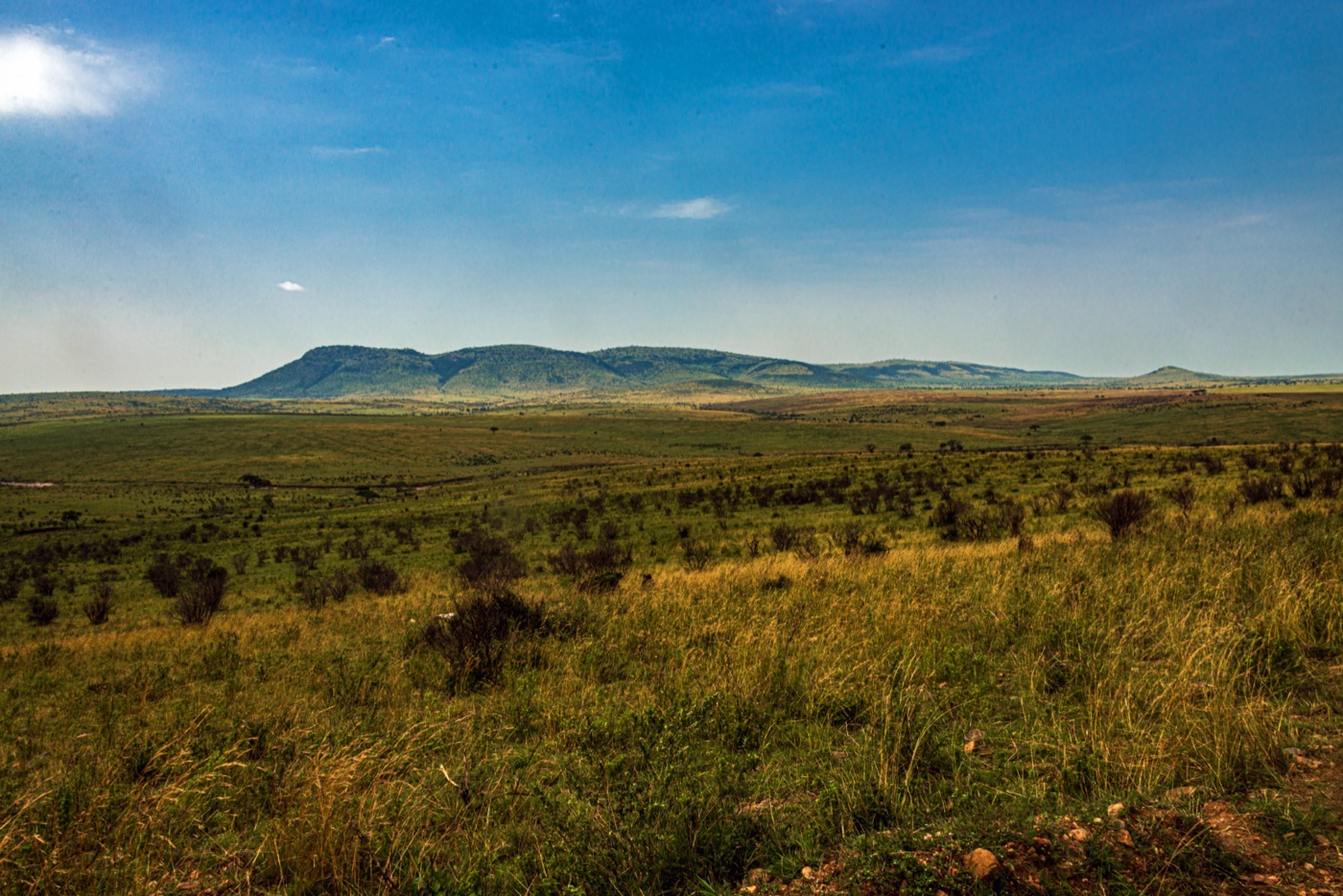
The wild south — baobab valleys of Ruaha, the rivers and lakes of Nyerere and almost no other vehicles.
From $3,480 per person
View Itinerary
Rufiji Basin
Africa’s largest national park — thirty thousand square kilometres of river, lake, miombo woodland and floodplain where elephants wade the Rufiji and wild dogs still hunt in packs.
Rufiji Basin · Wild & Nature Safaris
Discover
Nyerere National Park was carved from the legendary Selous Game Reserve in 2019, protecting one of the largest wilderness areas left on the continent. This is Africa on the grand scale: the Rufiji — Tanzania’s largest river — spills through a maze of lakes, sandbanks and oxbow channels, and its banks hold the greatest concentrations of wildlife in southern Tanzania.
What sets Nyerere apart is the freedom to explore it in more than one way. Drift past pods of hippo on a boat safari at sunset, walk through miombo woodland with an armed guide, fish for tigerfish on the lakes, or sleep out in a fly camp beneath the stars. It is one of the few great reserves in Africa where the safari still feels genuinely untamed.
Wildlife & Natural Highlights
Every destination has its own rhythm and its own icons. These are the encounters, landscapes and moments that define Nyerere.
A vast, slow river of sandbanks, lagoons and forest — explored by boat among hippos, crocodiles and fish eagles.
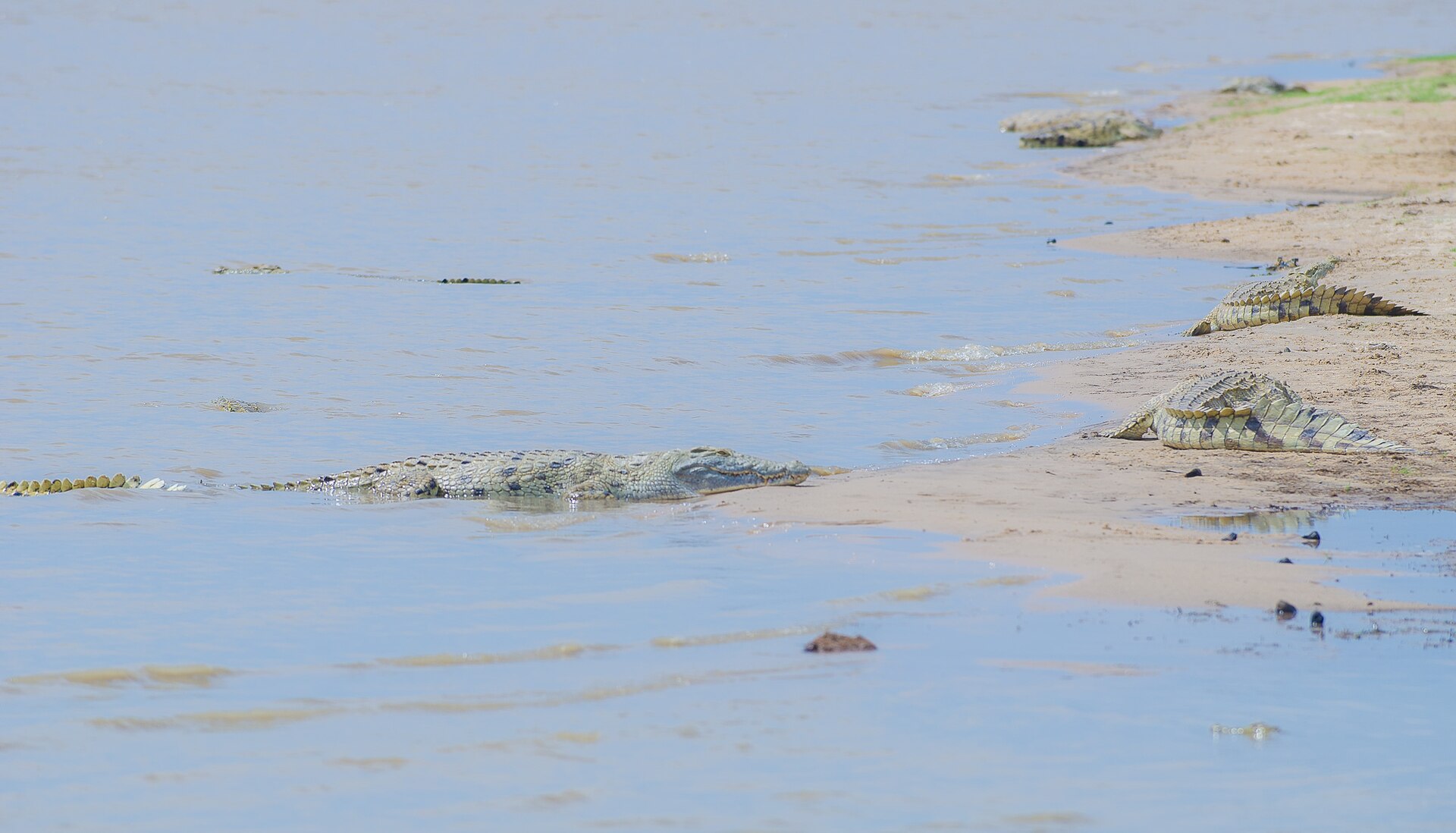
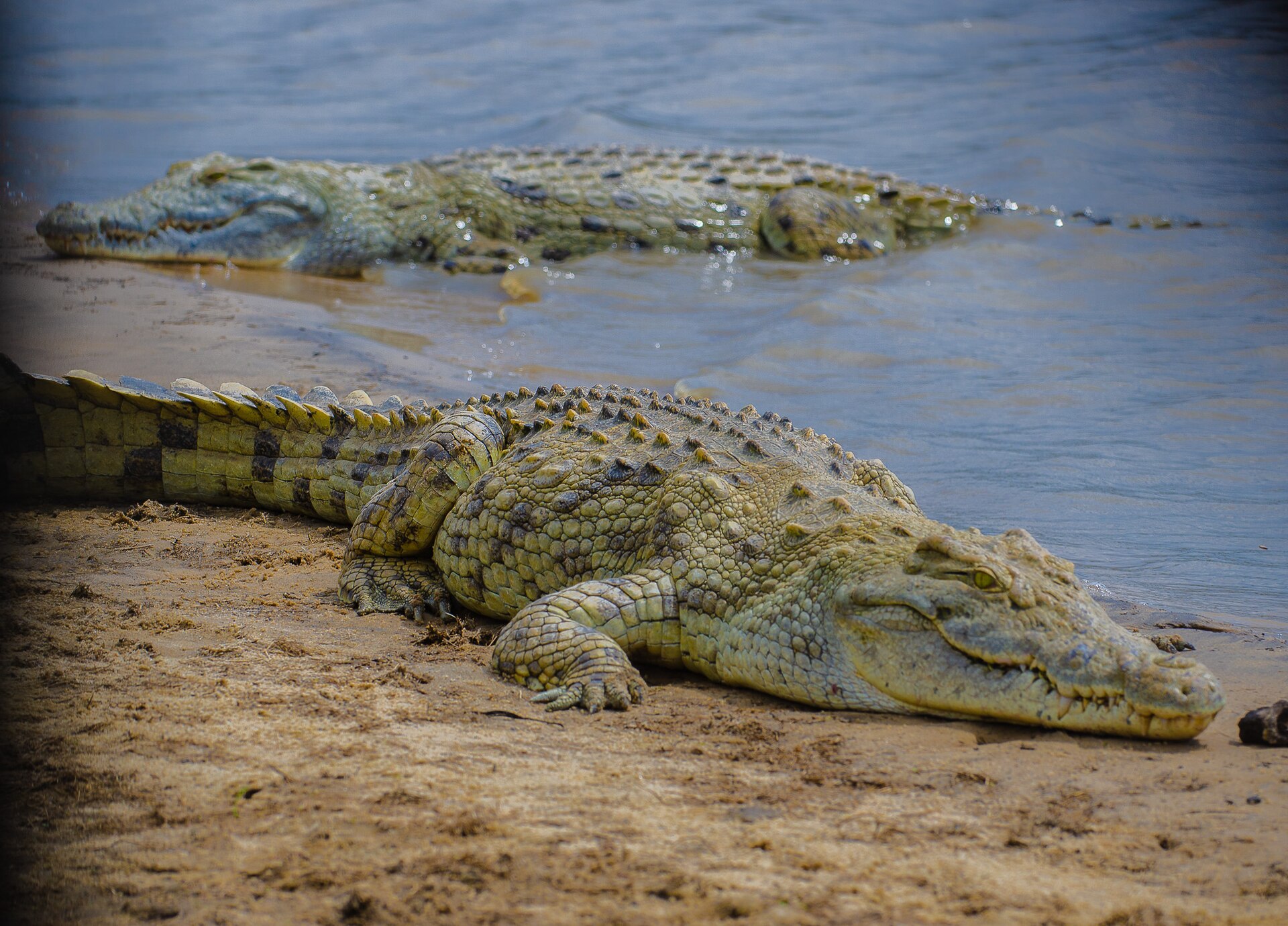
Nyerere holds some of the largest hippo pods and Nile crocodiles in East Africa, crowding the river channels in the dry season.
One of the last great strongholds of the painted dog — packs den in the miombo and are tracked by the camps each year.
Tens of thousands of elephants move between the river and the woodland — often seen crossing the Rufiji in family groups.
The spiritual home of the walking safari — guided walks and nights under canvas in the heart of the wilderness.
Over 440 species, from palm-nut vultures and giant kingfishers to the storks and herons of the Rufiji floodplain.
Best Time to Visit
June to October for river-based game viewing · November to March for birds, green landscapes and solitude.
June – October
Wildlife concentrates along the Rufiji and the lakes, boats navigate easily and the game viewing is at its most concentrated.
November – March
Lush, dramatic and alive with birds. The park is at its most beautiful — and almost empty of visitors.
April – May
Peak of the rains — some camps close and river levels rise. Those that remain open offer extraordinary solitude.
Late May – June
The park dries quickly, the boats return to the channels and the first big herds appear on the sandbanks.
Safari Experiences
From first light on the plains to the last glow on the water — the experiences that make Nyerere unforgettable.
The signature experience — drifting the Rufiji’s channels at hippos’ eye level, with elephants on the banks and fish eagles overhead.
Walk the miombo with an armed guide — tracks, birds and the vast silence of the southern wilderness.
Drive the riverine forest and floodplains — lion, leopard, buffalo and one of the densest elephant populations in Africa.
Sleep out in a simple camp on the sandbanks of the Rufiji, far from any permanent camp.
Tigerfish and Nile perch in the lakes and river channels — catch and release with the camps’ guides.
A cold drink, a slow boat and a river that turns to copper as the hippos begin to call.
Recommended Journeys
Hand-crafted itineraries built around this destination — each one shaped, paced and priced for the way you want to travel.
The wild south — baobab valleys of Ruaha, the rivers and lakes of Nyerere and almost no other vehicles.
From $3,480 per person
View Itinerary
Private camps, balloon dawns over the plains and barefoot evenings on the white sand of Zanzibar.
From $4,120 per person
View Itinerary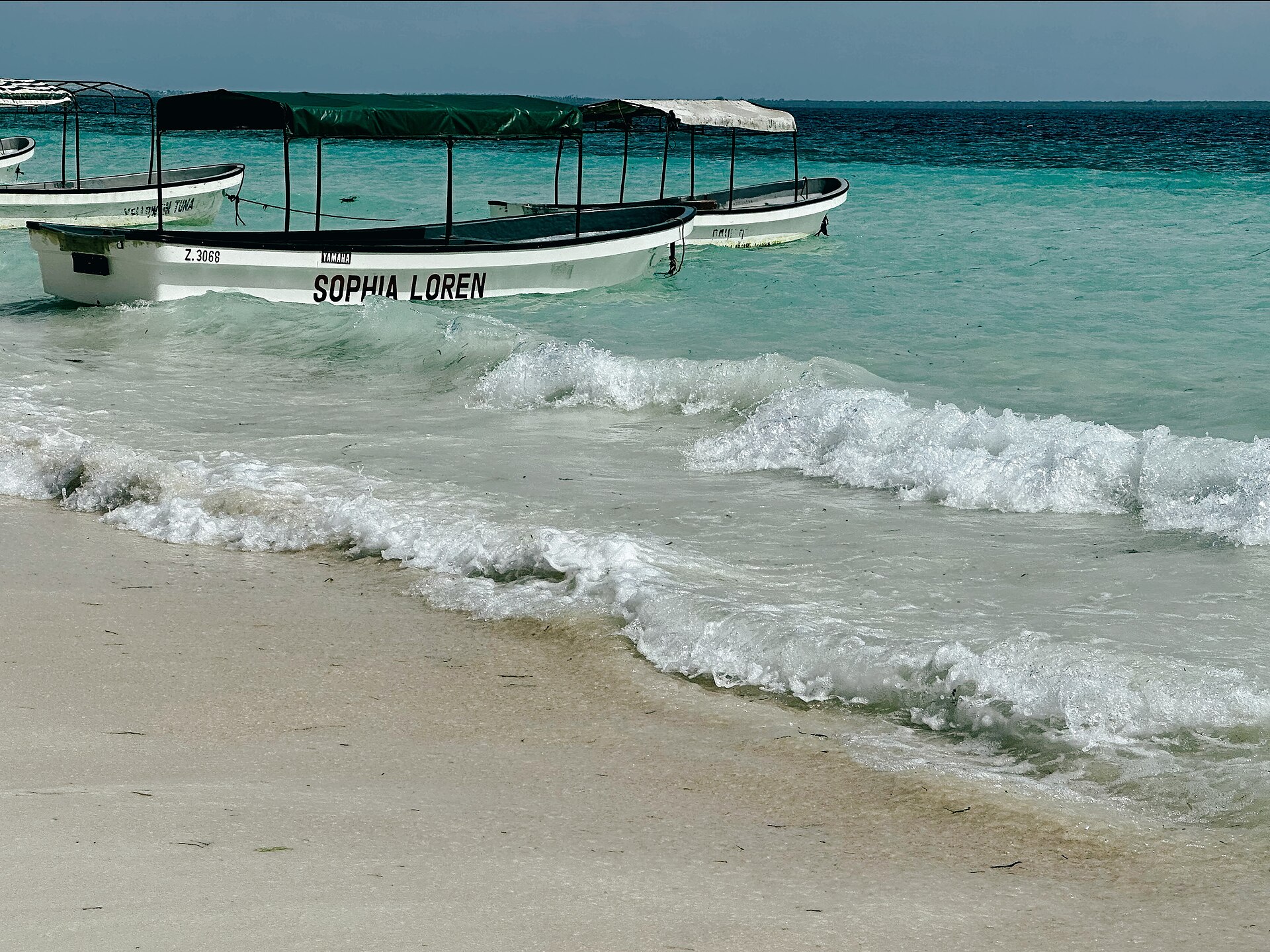
Barefoot days on the white sand of Nungwi, spice-scented afternoons and Stone Town evenings — the perfect safari coda.
From $1,540 per person
View ItineraryTravel Information
Good to Know
The questions travellers ask us most often about Nyerere.
— Rufiji Basin
Nyerere National Park was gazetted in 2019 from the northern part of the Selous Game Reserve, including the classic Rufiji river area. The name honours Tanzania’s founding president, Julius Nyerere.
Yes — boat safaris are conducted in sturdy, flat-bottomed boats with experienced guides, at a respectful distance from hippos and crocodiles. It is the most relaxing safari activity there is.
June to October concentrates wildlife along the river and makes for the best game viewing. The green season from November to March is beautiful, lush and wonderfully quiet.
Absolutely — Nyerere, with Ruaha, is the classic home of the walking safari in Tanzania. Walks are led by armed rangers and range from a few hours to multi-day fly-camping trips.
Flights from the park’s airstrips reach Zanzibar in around an hour — a river-and-boat safari followed by a barefoot island stay is one of our favourite pairings.