Islands & Forest Retreat
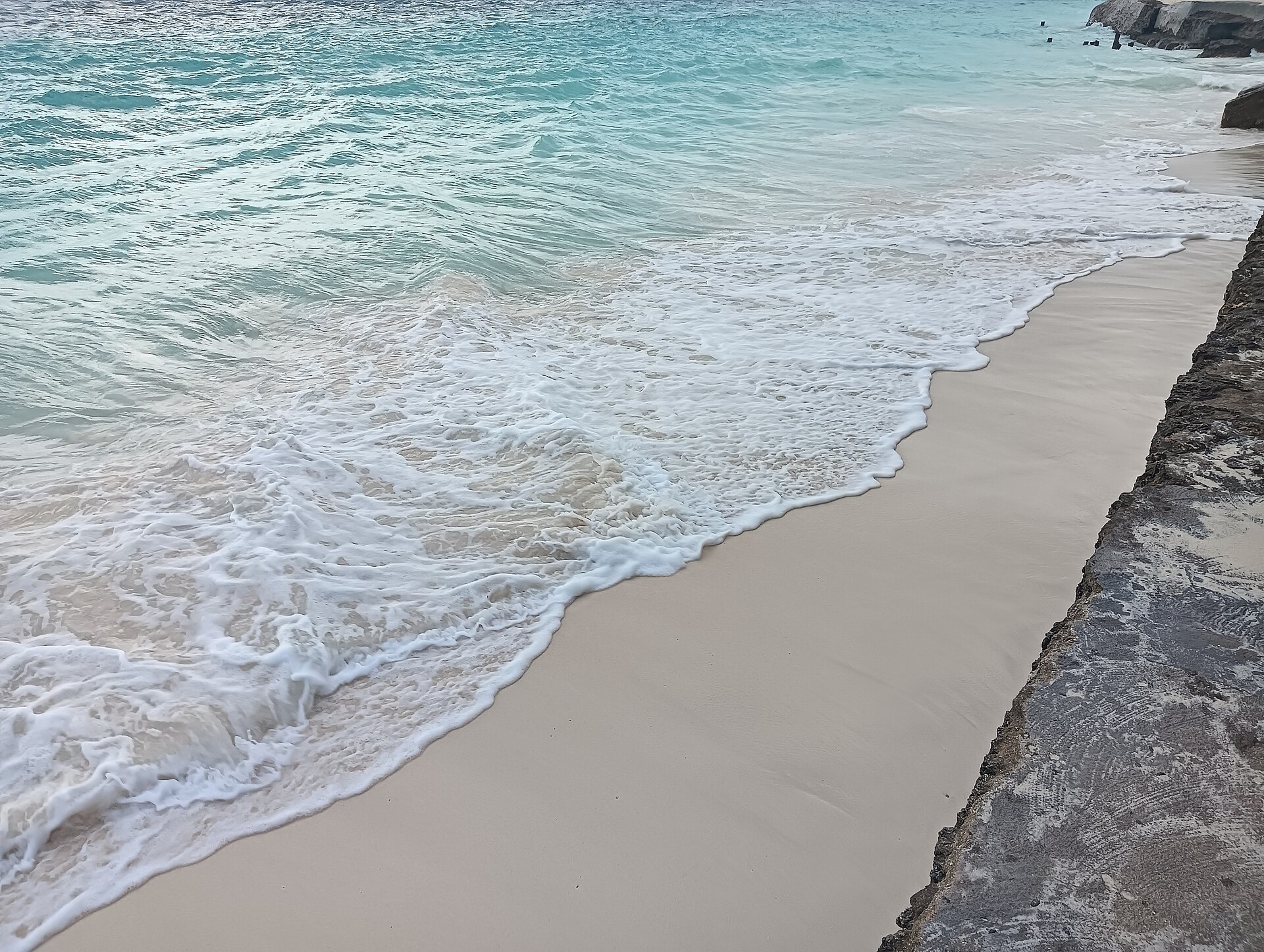
Lake Victoria’s forested island and the turquoise shallows of Zanzibar — wild water at both ends.
From $2,180 per person
View Itinerary
Indian Ocean
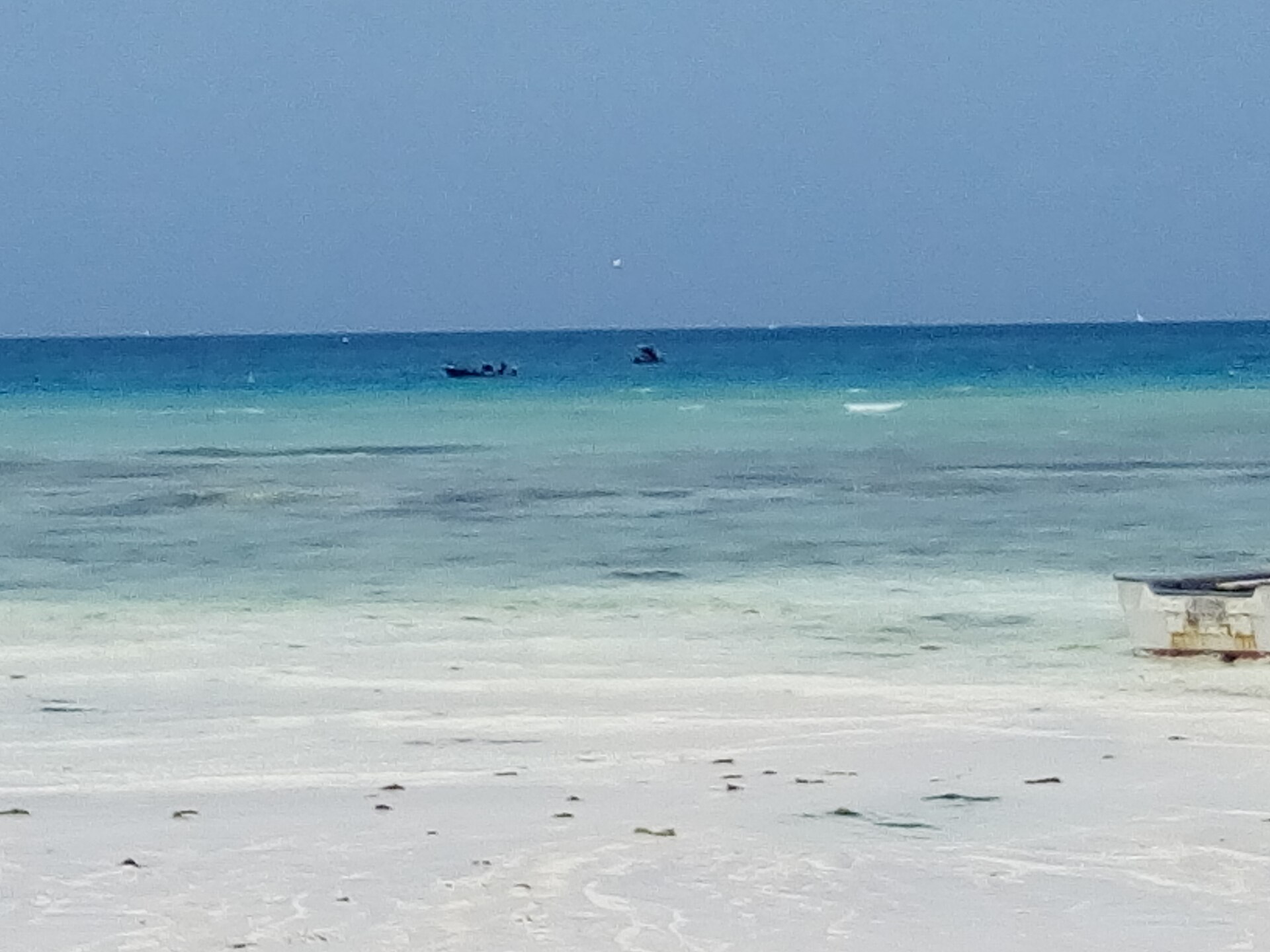
After the dust of the bush, Zanzibar is another world entirely — coral-white beaches, warm turquoise shallows, dhow sails at sunset and the carved-door alleys of Stone Town.
Indian Ocean · Wild & Nature Safaris
Discover
Zanzibar has drawn traders, sultans and spice merchants to its shores for a thousand years, and the island wears that history lightly. In Stone Town, a UNESCO World Heritage Site, carved wooden doors, coral-rag houses and the call to prayer over the harbour recall the days of the Omani sultans — while the scent of cloves and cinnamon drifts from the plantations inland.
Beyond the town, the island is a beach destination of the first order. The northern beaches of Nungwi and Kendwa swim deep at any tide; the eastern shores of Paje and Jambiani glow turquoise behind their seaweed farms; and the forest of Jozani shelters the Zanzibar red colobus, a monkey found nowhere else on earth. It is the perfect counterpoint to a mainland safari.
Wildlife & Natural Highlights
Every destination has its own rhythm and its own icons. These are the encounters, landscapes and moments that define Zanzibar.
The island’s finest beaches — white coral sand and water that stays swimmable through the tides.
A living UNESCO World Heritage Site of carved doors, sultans’ palaces, spice markets and rooftop terraces.
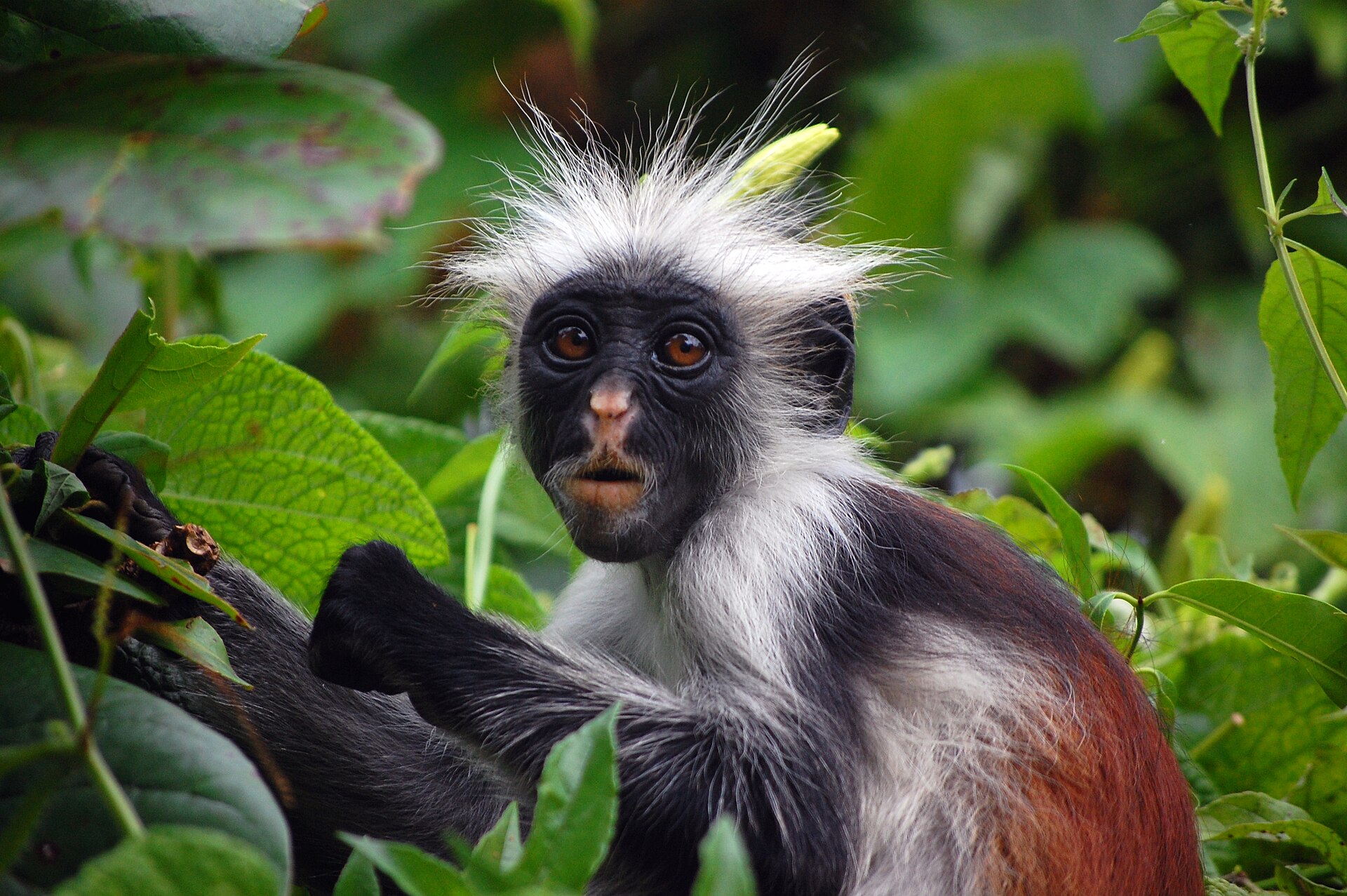
One of Africa’s rarest primates, found only in the island’s Jozani forest — habituated and wonderfully photogenic.
Cloves, vanilla, cinnamon and cardamom — the “Spice Island” earns its name on a walk through the plantations.
A marine conservation area off the north-east coast — coral gardens, dolphins, turtles and some of the finest diving in East Africa.
Sail a traditional wooden dhow as the sun drops into the Indian Ocean — the island’s most romantic hour.
Best Time to Visit
June to October for dry, comfortable beach weather · December to February for heat and diving.
June – October
Warm days, low humidity and gentle breezes — the classic beach season and the perfect end to a dry-season safari.
December – February
Hot, dry and bright. Excellent for diving and snorkelling, with lively energy over the festive period.
March – May
Heavier rains and higher humidity. Some hotels close for refurbishment — those that stay open offer excellent value and quiet beaches.
November
Brief, warm showers and green landscapes. A pleasant and affordable month to travel.
Safari Experiences
From first light on the plains to the last glow on the water — the experiences that make Zanzibar unforgettable.
Coral gardens at Mnemba Atoll and along the eastern reefs — turtles, reef fish and dolphins.
Walk the plantations with a local guide, tasting and smelling your way through the island’s harvest.
Half a day among the carved doors, markets and rooftops of the old town with a historian guide.
A late-afternoon sail along the coast in a traditional dhow — cold drinks and a copper sky.
Morning walks among the red colobus monkeys and the island’s last indigenous forest.
A short boat ride to giant tortoises, reef snorkelling and a beach that feels a world from Stone Town.
Recommended Journeys
Hand-crafted itineraries built around this destination — each one shaped, paced and priced for the way you want to travel.
Lake Victoria’s forested island and the turquoise shallows of Zanzibar — wild water at both ends.
From $2,180 per person
View Itinerary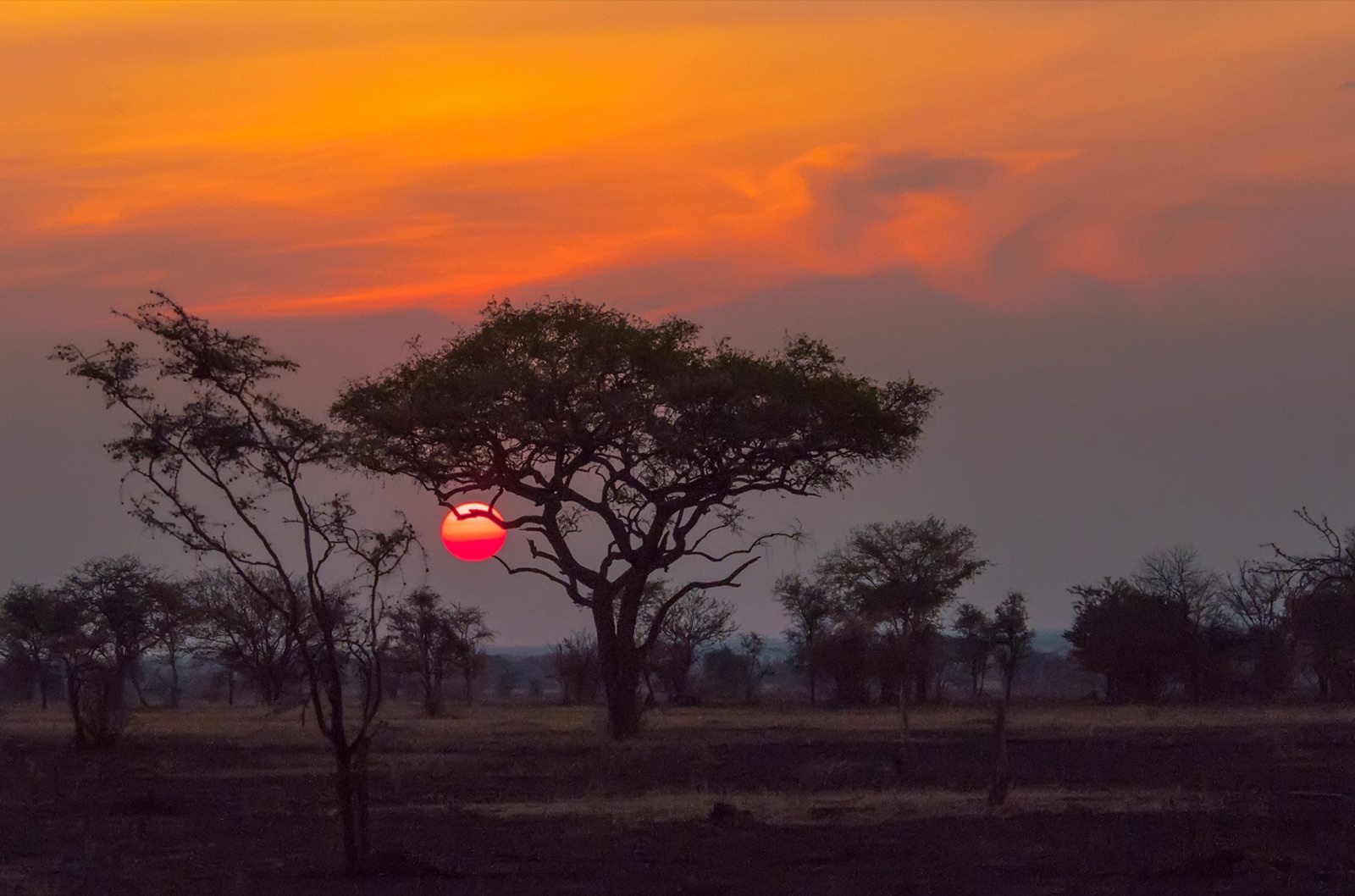
Private camps, balloon dawns over the plains and barefoot evenings on the white sand of Zanzibar.
From $4,120 per person
View Itinerary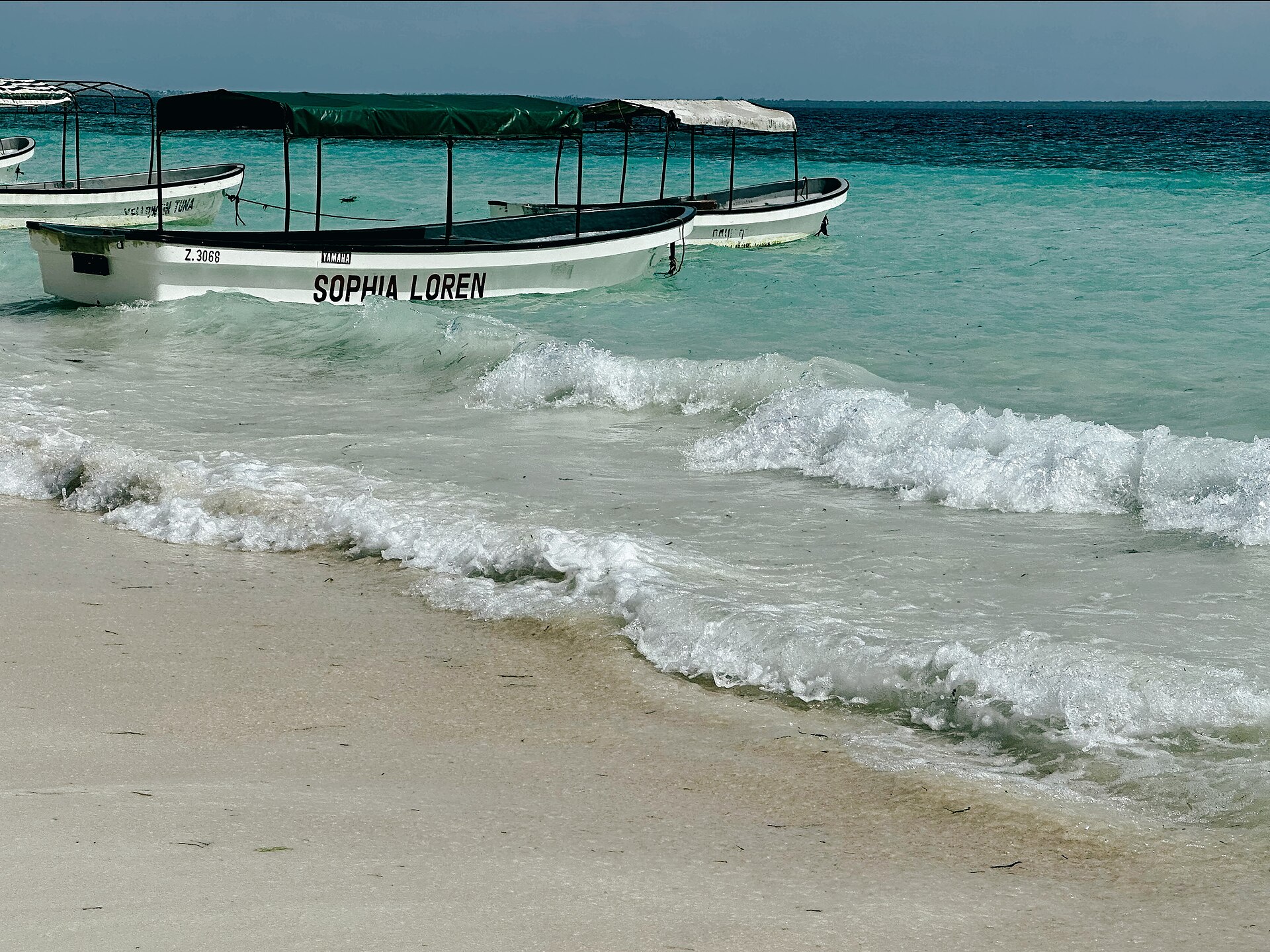
Barefoot days on the white sand of Nungwi, spice-scented afternoons and Stone Town evenings — the perfect safari coda.
From $1,540 per person
View ItineraryTravel Information
Good to Know
The questions travellers ask us most often about Zanzibar.
— Indian Ocean
Nungwi and Kendwa in the north swim well at all tides and suit most travellers. Paje and Jambiani on the east coast are beautiful, breezier and ideal for kiteboarding — though the tide goes far out at low water.
Most travellers fly from the Serengeti, Nyerere or Arusha straight to the island — it is a short flight and a perfect three-to-five-night coda to a safari.
Absolutely. It is a UNESCO World Heritage Site and a fascinating counterpoint to the beaches — we recommend a walking tour and a rooftop dinner at minimum.
The long rains fall in April and May, with shorter rains in November. Showers are usually brief and dramatic, and the island is lush and quiet — but some hotels close in April and May.
Yes. The northern beaches are calm and sheltered, most resorts are family-friendly, and children love the spice tours, boat trips and giant tortoises of Prison Island.