2 Days Tarangire and Ngorongoro Crater Safari
From $850 per person
View Itinerary
Tarangire Valley
The quiet star of the northern circuit — a landscape of sculptural baobabs, rolling grassland and swamp where the Tarangire River draws the largest concentration of elephants in northern Tanzania.
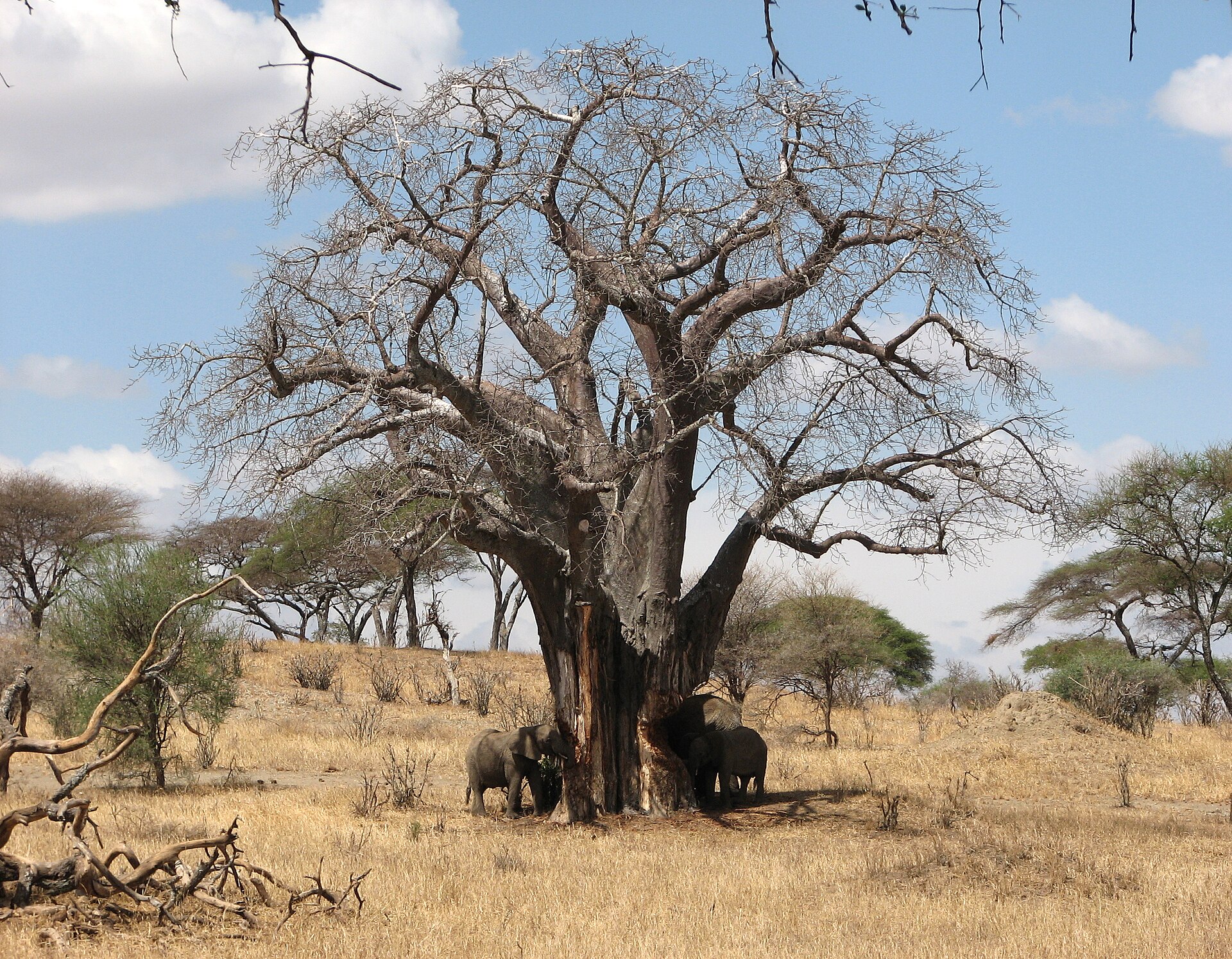
Tarangire Valley · Wild & Nature Safaris
Discover
Tarangire is named after the river that threads its way through the park, and in the dry season that river becomes the most important water source for miles around. Elephants arrive in their hundreds — family herds with calves at foot, old bulls alone among the baobabs — and zebra, wildebeest, buffalo, giraffe and oryx crowd the floodplains beside them.
Beyond the wildlife, it is the scenery that stays with travellers: baobabs the size of houses stand against the sky, their trunks scarred by generations of elephants; the Silale Swamp spreads south like a green sea; and the acacia woodland is alive with birds. Tarangire sees a fraction of the visitors of the Serengeti, and the silence of an evening here is one of Tanzania’s great luxuries.
Wildlife & Natural Highlights
Every destination has its own rhythm and its own icons. These are the encounters, landscapes and moments that define Tarangire.
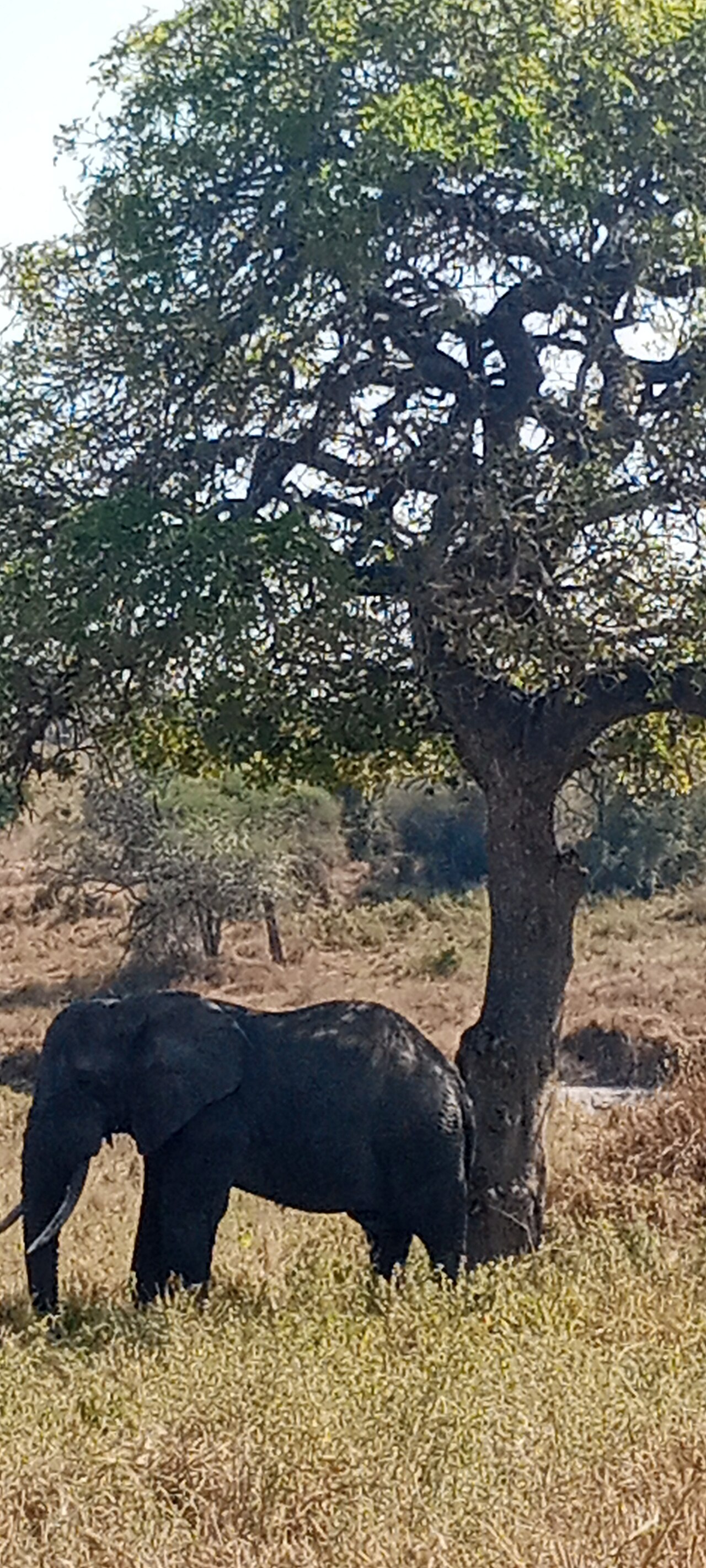
The greatest concentration of elephants in northern Tanzania — herds of 300 or more gather along the river between July and October.
Tarangire’s baobabs are among the finest in East Africa, some thousands of years old and shaped like sculptures against the evening sky.
The park’s permanent lifeline. In the dry months, everything in Tarangire eventually comes to the river.
A vast green wetland in the south that draws buffalo, elephants and, on rare occasions, packs of African wild dogs.
More than 550 species, including the endemic yellow-collared lovebird, ashy starlings and enormous kori bustards stalking the grassland.
Lions, leopards and cheetahs thrive on the dense prey base — and the low visitor numbers mean sightings are often shared with no one.
Best Time to Visit
August to October for elephant concentrations · November to May for birds, green landscapes and solitude.
November – May
Rain brings lush grass, wildflowers and migrant birds. Game disperses across the wider ecosystem and the park is beautifully quiet — a secret season for photographers and birders.
June – July
The plains dry out and wildlife begins to concentrate along the Tarangire River. Comfortable temperatures and excellent game viewing.
August – October
Elephant numbers reach their height and the riverbanks are lined with animals from dawn to dusk. Hot, dusty and utterly spectacular.
November
Storm light, fresh green and the first migrant birds arriving from the north.
Safari Experiences
From first light on the plains to the last glow on the water — the experiences that make Tarangire unforgettable.
Slow drives along the river and through the baobab country — Tarangire rewards patience more than distance.
Guided walks from camps on the park boundary: tracks, plants and the small details the vehicle misses.
Several concessions bordering the park allow night drives — genets, bushbabies and hunting lions after dark.
With over 550 species in a single park, Tarangire is one of northern Tanzania’s great birding destinations.
A drink beneath a thousand-year-old baobab as the light goes gold and the elephants drift home to the river.
Sleep under canvas in a simple fly camp on the park boundary — the sounds of the African night, entirely unfiltered.
Recommended Journeys
Hand-crafted itineraries built around this destination — each one shaped, paced and priced for the way you want to travel.
From $850 per person
View Itinerary
Three iconic northern parks — elephant-rich Tarangire, the wildlife-filled Ngorongoro Crater and the forested shores of Lake Manyara — on one seamless private three-day Tanzania safari.
Private safari · enquire for pricing
View Itinerary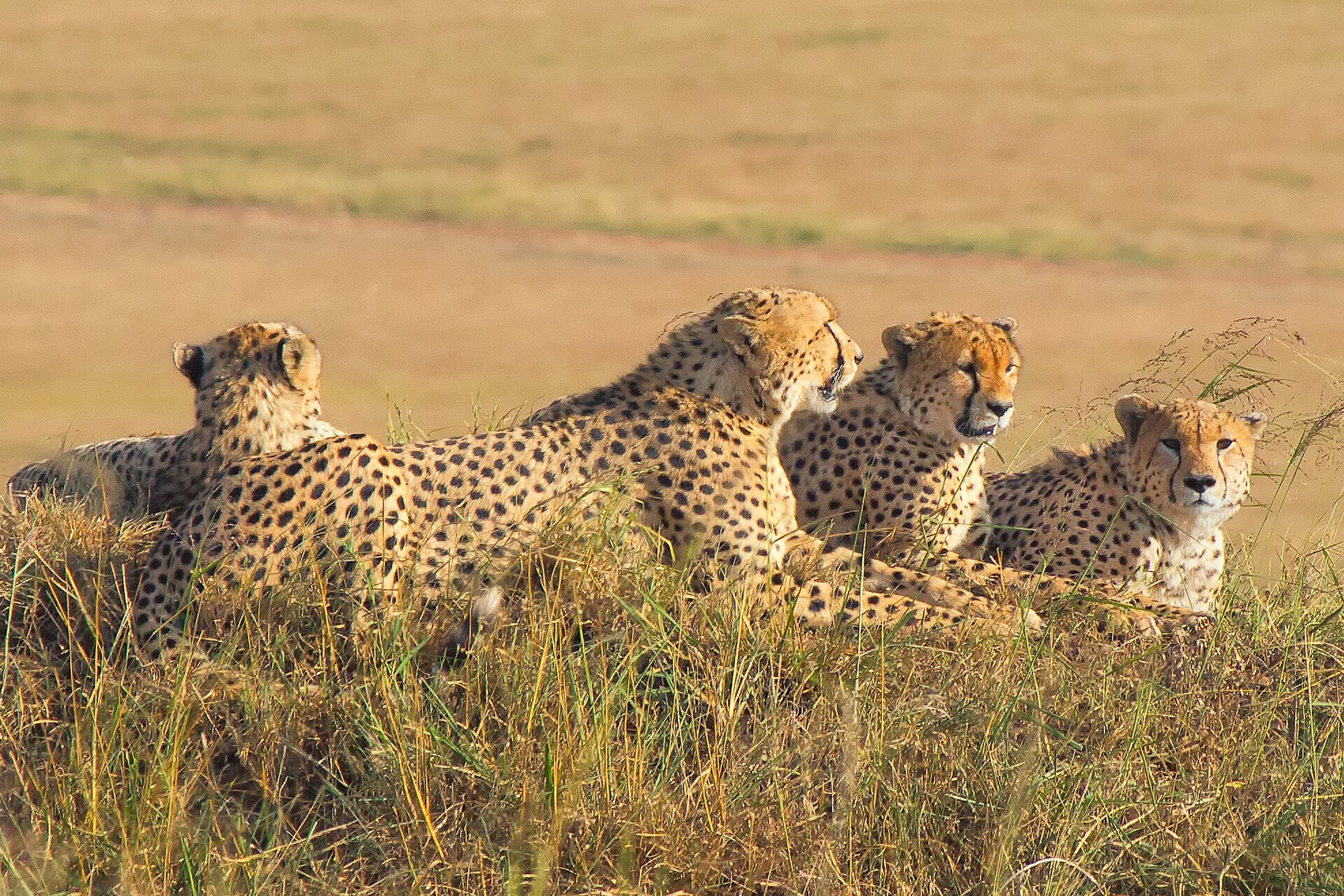
A four-day private Tanzania safari linking baobab-dotted Tarangire, the legendary Serengeti plains and the wildlife-filled floor of the Ngorongoro Crater.
Private safari · enquire for pricing
View ItineraryTravel Information
Good to Know
The questions travellers ask us most often about Tarangire.
— Tarangire Valley
From August to October the herds gather along the Tarangire River in extraordinary numbers — it is one of the finest elephant spectacles in East Africa.
Far less so than the Serengeti or Ngorongoro. Even in peak season the park’s scale keeps things quiet, and in the green season you may have entire valleys to yourself.
Beautiful. The park turns emerald, migrant birds arrive and the photography is superb — though wildlife disperses more widely, so sightings take more patience.
Yes — it is the closest major park to Arusha — but one night barely scratches the surface. Two to three nights let you reach the river, the baobab country and the southern swamps.
African wild dogs are present in the ecosystem and occasionally seen, particularly around the Silale Swamp, but they are rare and never guaranteed.