Northern Tanzania

Serengeti
National Park

Tanzania’s oldest and most celebrated national park — a million hectares of grassland, granite kopjes and riverine forest where the Great Migration writes its endless circle and the big cats reign.

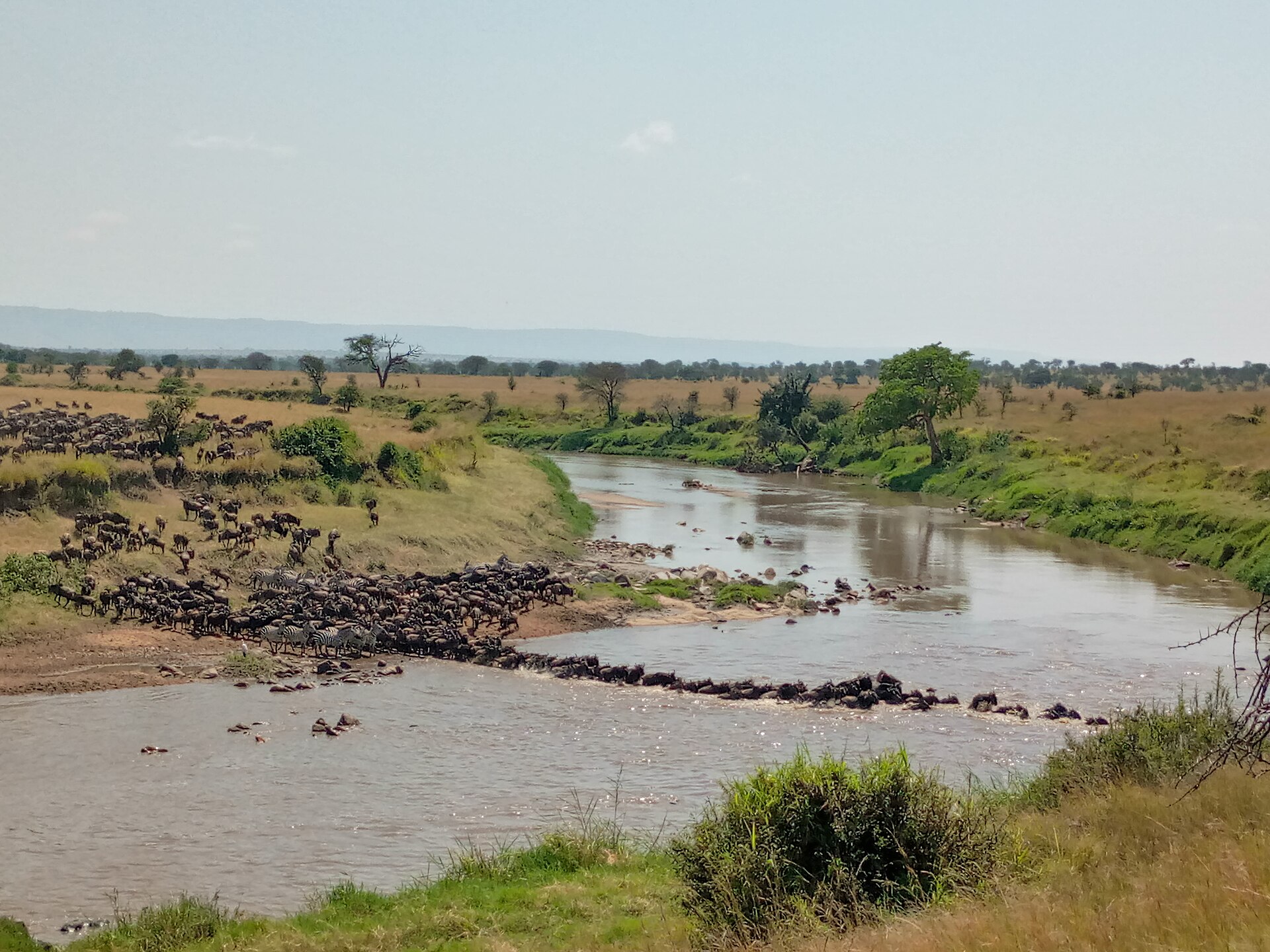
Wildebeest herds massing along the Mara River in the northern Serengeti

Northern Tanzania · Wild & Nature Safaris

Discover

An Introduction
to Serengeti

The Maasai called it Siringet — the place where the land runs on forever. Standing on the open plains south of Seronera, it is easy to understand why: grassland rolls unbroken to a horizon softened by heat haze, broken only by the dark islands of granite kopjes and the occasional umbrella acacia.

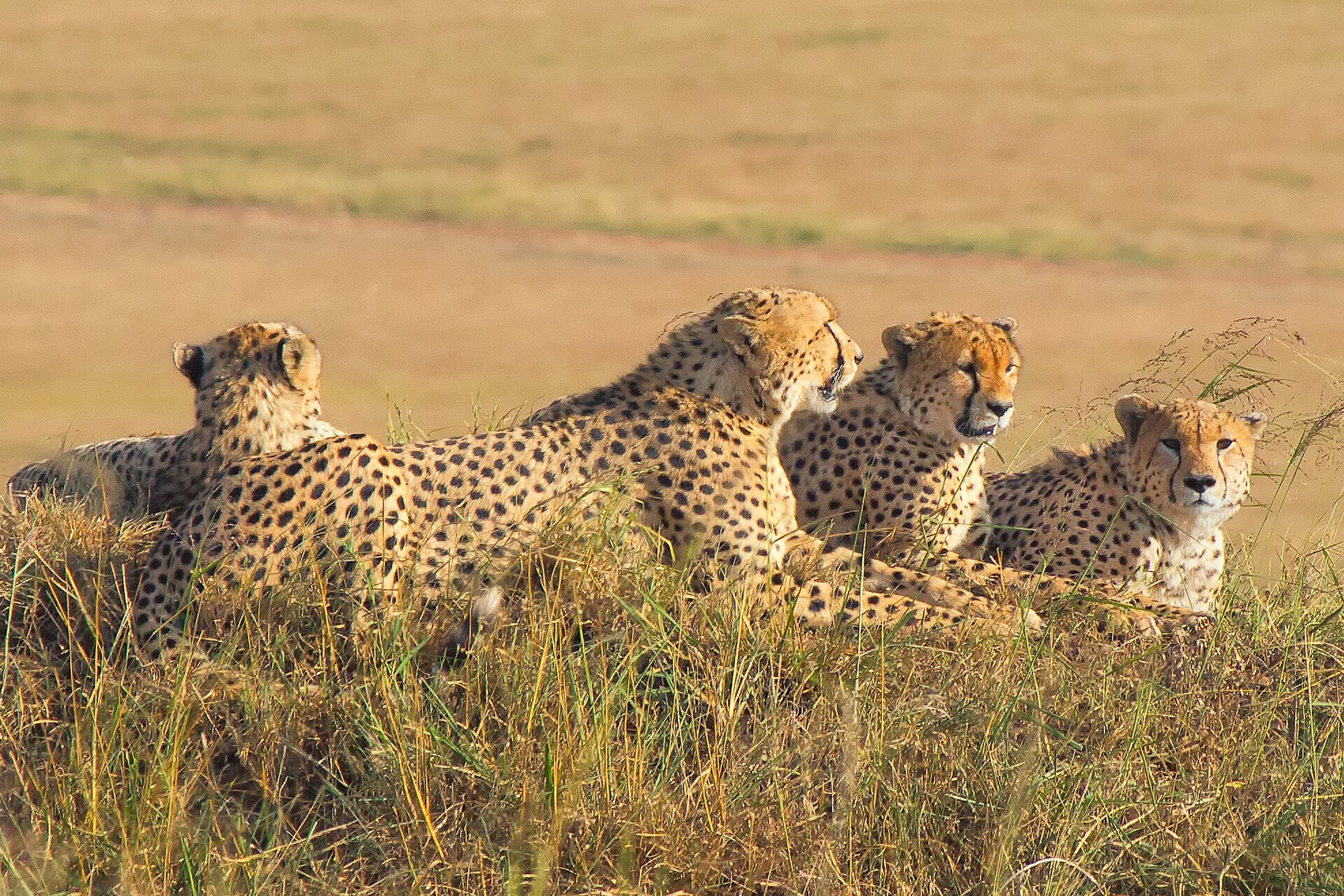
The Serengeti is not a park of landmarks but of movement. Each year more than 1.5 million wildebeest, some 200,000 zebra and hundreds of thousands of gazelle trace a vast clockwise arc through the ecosystem in search of fresh grazing, drawing predators and photographers in their wake. Away from the herds, the central Serengeti supports one of the highest concentrations of large carnivores anywhere on earth — leopards along the Seronera River, cheetahs on the eastern plains and lion prides that have been studied for decades.

Location
Northern Tanzania
Area
14,763 km²
Established
1951 · UNESCO World Heritage Site
Known For
The Great Migration & big cats

Wildlife & Natural Highlights

What You Will
Find Here

Every destination has its own rhythm and its own icons. These are the encounters, landscapes and moments that define Serengeti.

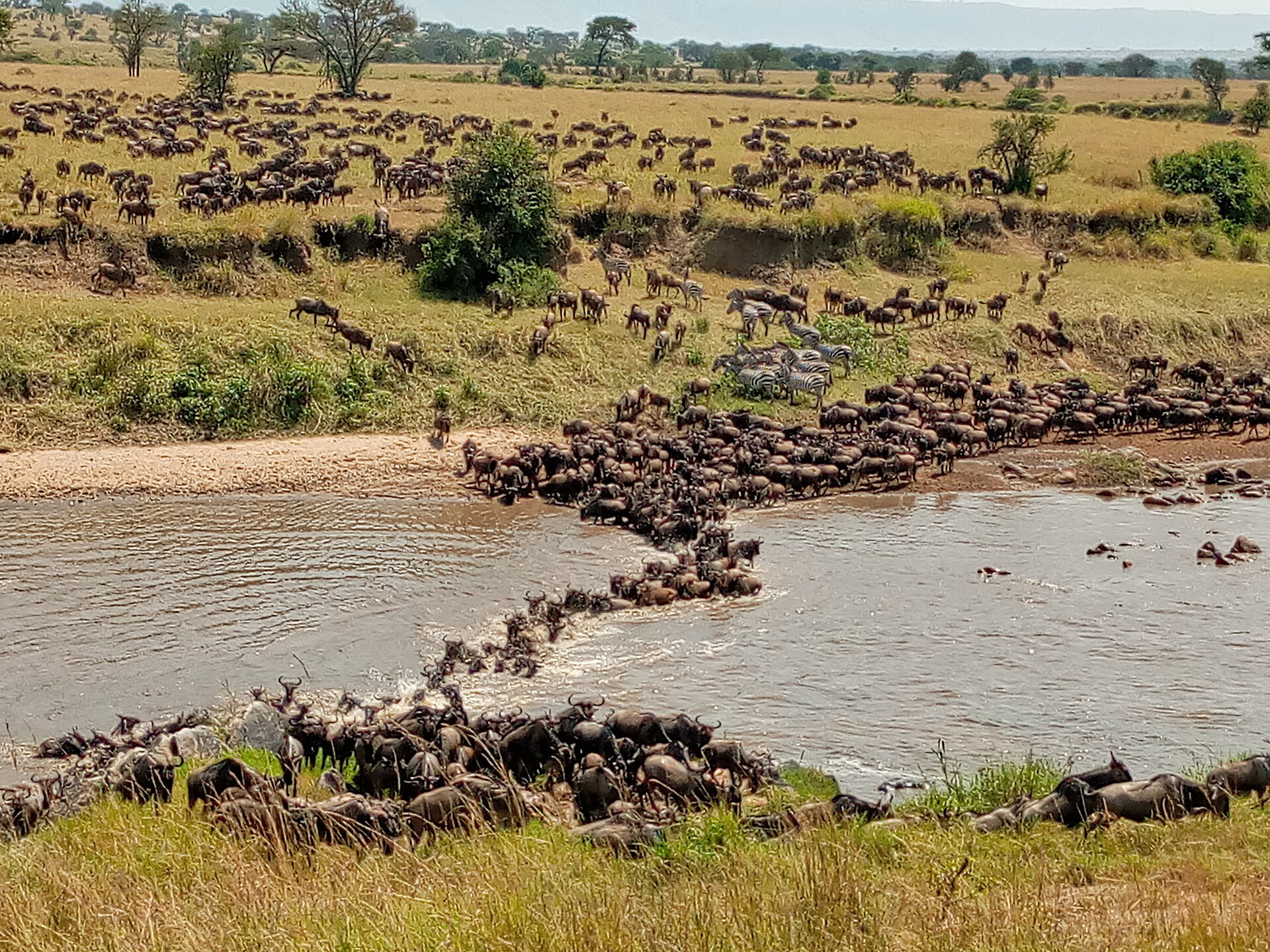
Wildebeest crossing the Mara River under the eyes of crocodiles
  • The Great Migration

    More than 1.5 million wildebeest and 200,000 zebra circle the ecosystem each year — calving on the southern plains in February, river crossings in the north from July to October.

  • Big Cats

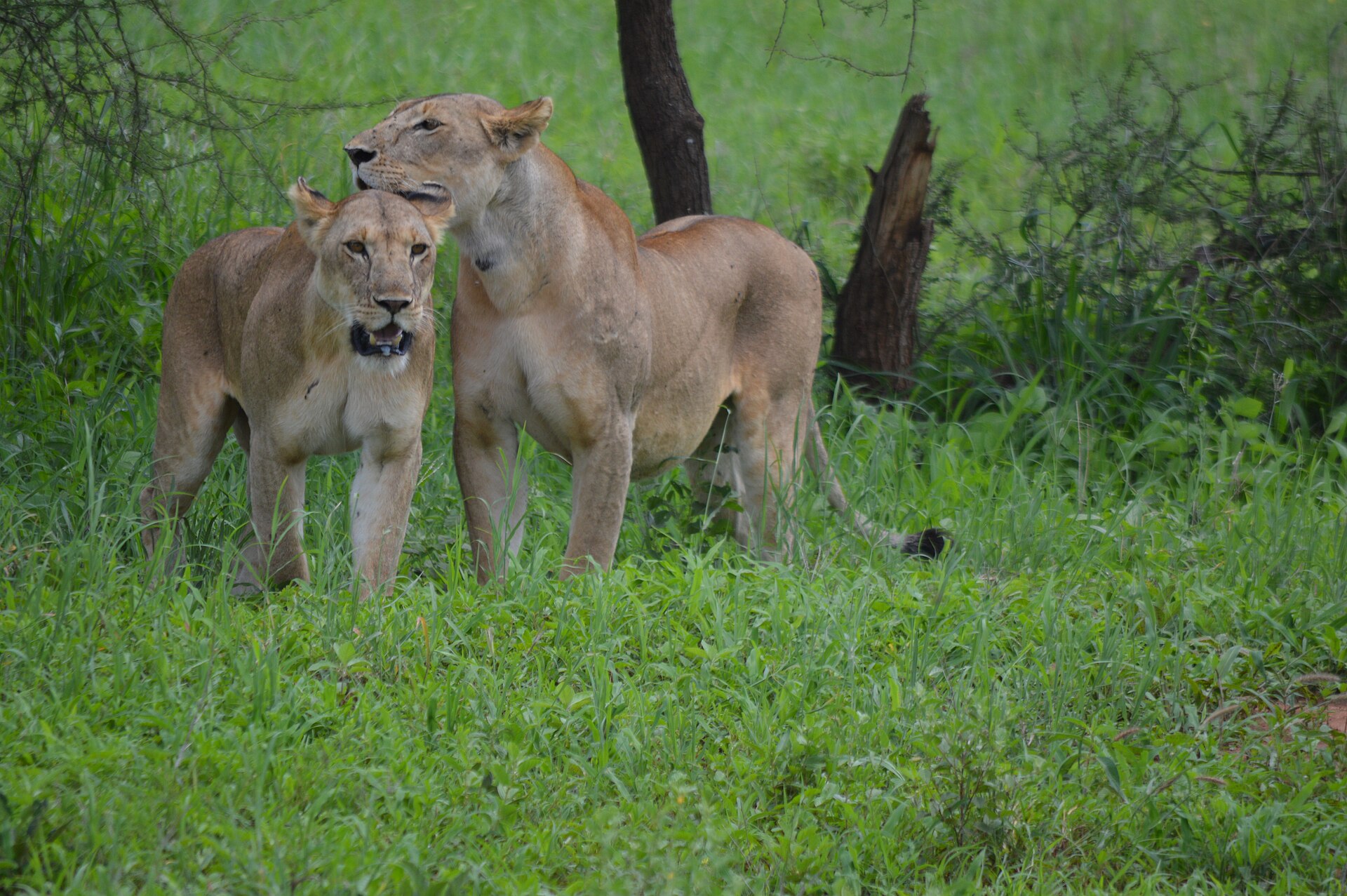
    One of the highest densities of large carnivores in Africa: resident lion prides, leopards of the Seronera riverine forest and cheetahs hunting the open eastern plains.

  • The Kopjes

    Ancient granite outcrops rise from the grass like islands — lion prides use them as lookouts, and the light on them at dusk is unforgettable.

  • Mara River Crossings

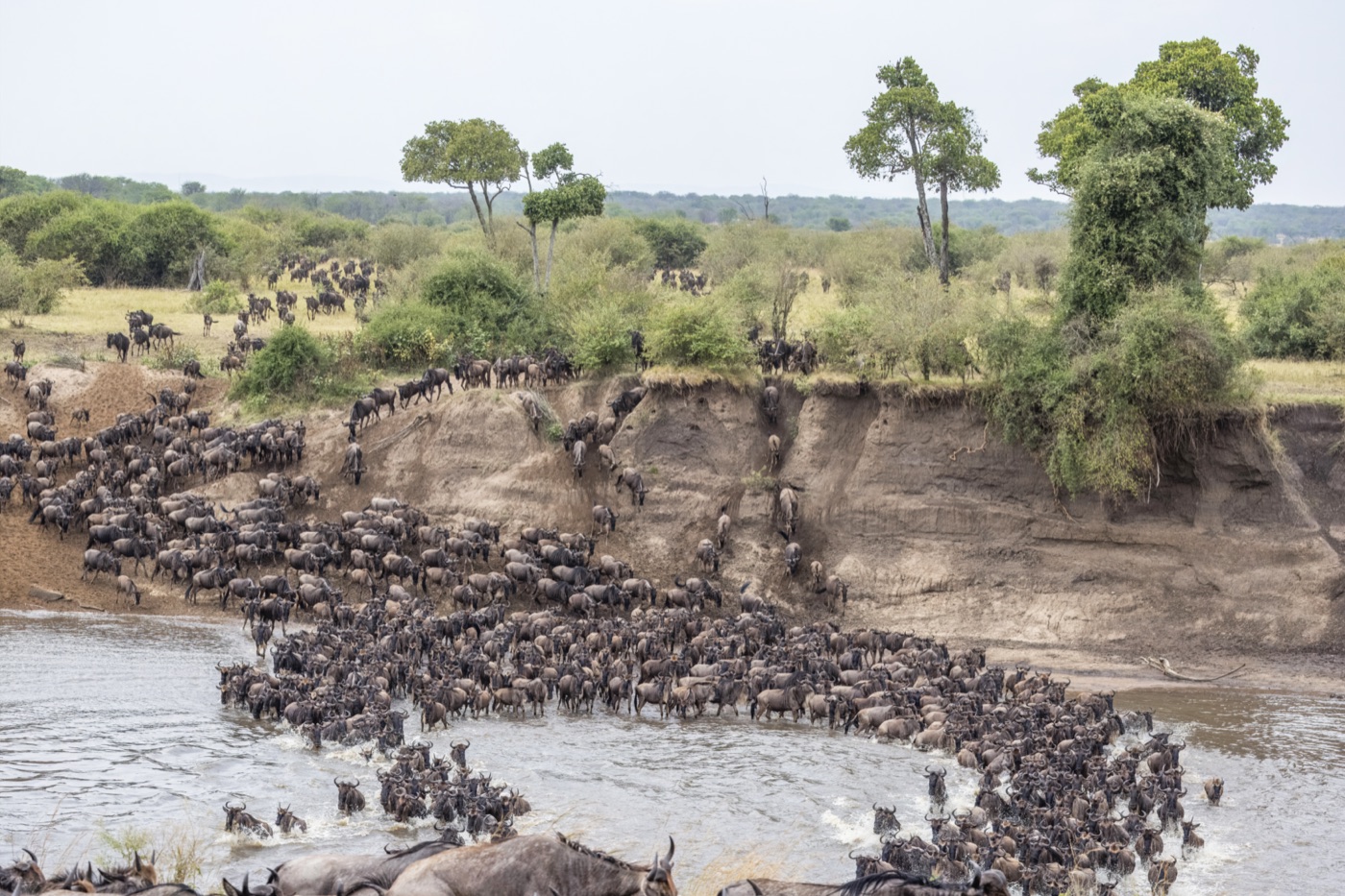
    Between July and October the herds gather on the banks of the Mara in the far north, then plunge across in thundering, chaotic columns.

  • Endless Plains

    Short-grass plains in the south, long-grass savannah in the north, riverine forest along the watercourses — a landscape that never repeats itself.

  • Birdlife

    Over 500 species, from ostriches and secretary birds on the plains to Fischer’s lovebirds and lilac-breasted rollers in the woodlands.

Best Time to Visit

When to
Travel

June to October for the Mara River crossings · January to March for calving season and predator action.

  1. December – March

    Green Season

    Short rains turn the southern plains emerald. Calving peaks in February on the Ndutu short-grass plains, with thousands of calves born each day and predators in constant attendance.

  2. April – May

    Long Rains

    Lush, dramatic and quiet. Few travellers, excellent rates and a Serengeti at its greenest — though some camps close and tracks can be soft.

  3. June – October

    Dry Season

    Classic game viewing. The herds push north through the Western Corridor and across the Mara River, and wildlife concentrates around water.

  4. November

    Short Rains

    The herds turn south again beneath storm-heavy skies. Fresh grazing, beautiful light and far fewer vehicles than mid-year.

Safari Experiences

Things to
Do Here

From first light on the plains to the last glow on the water — the experiences that make Serengeti unforgettable.

  • Game Drives

    Morning and afternoon drives across the central and northern plains — the Seronera Valley for leopards, Kogatende and Lamai for the crossings.

  • Hot Air Balloon Safari

    Lift off before dawn and drift over the herds in silence, landing for a bush breakfast laid out on the plains.

  • Walking Safaris

    Set out on foot with an armed guide from a walking camp — tracks, birds and the scale of the plains seen at ground level.

  • Photographic Safaris

    Specialist vehicles with open sides, bean bags and guides who understand light, behaviour and patience.

  • Maasai Cultural Visits

    Spend an afternoon in a Maasai boma on the park’s boundary, learning how life here has been shaped by wildlife for centuries.

  • Sundowners on the Kopjes

    End the day with a drink on a granite outcrop as the plains turn gold and the lions begin to stir.

Recommended Journeys

Safaris That Include
Serengeti

Hand-crafted itineraries built around this destination — each one shaped, paced and priced for the way you want to travel.

Thousands of wildebeest crossing the Mara River during the Great Migration

5 Days · 4 Nights

5 Day The Great Migration Trail

Follow more than a million wildebeest across the Serengeti’s endless plains — a private five-day journey through the greatest wildlife spectacle on earth, timed to the herds and shaped entirely around you.

From $3,450 per person

View Itinerary

4 Days Ndutu Migration Safari – The Great Wildebeest Calving Season.

Experience one of nature’s most extraordinary spectacles on this four-day Ndutu Migration Safari, specially crafted around the dramatic wildebeest calving season in Tanzania’s Southern Serengeti.

Private safari · enquire for pricing

View Itinerary
An acacia tree standing alone on the open grass plains of the Serengeti

4 Days · 3 Nights

4 Days Tarangire, Ngorongoro Crater and Serengeti Safari

A four-day private Tanzania safari linking baobab-dotted Tarangire, the legendary Serengeti plains and the wildlife-filled floor of the Ngorongoro Crater.

Private safari · enquire for pricing

View Itinerary

Travel Information

Before You
Set Out

Getting There
Scheduled and charter flights from Arusha to Seronera, Kogatende or Grumeti airstrips take about an hour. By road, the Serengeti is a full day’s drive from Arusha via Ngorongoro — best combined with overnight stops.
Length of Stay
Three to five nights at minimum, ideally split between the central and northern Serengeti in migration season.
Nearby Parks
Ngorongoro Conservation Area, Tarangire, Lake Natron and the Grumeti Reserves make natural pairings on a northern circuit.
Good to Know
June to October is dusty and cool at dawn — bring warm layers for early game drives. The park is vast; internal flights save hours of driving. Malaria prophylaxis is recommended.

Good to Know

Serengeti
FAQs

The questions travellers ask us most often about Serengeti.

— Northern Tanzania

When is the best time to see the river crossings?

The dramatic Mara River crossings concentrate in the northern Serengeti between July and October. The herds move constantly, so we position camps around their location rather than a fixed calendar — and always build in flexibility.

Is the Serengeti worth visiting outside the migration?

Absolutely. The central Serengeti holds resident wildlife year-round — lions, leopards, cheetahs, elephants and giraffes — and the calving season of January to March is, for many travellers, even more spectacular than the crossings.

How many days should I spend in the Serengeti?

Three nights is a sensible minimum; five allows you to combine two or three areas of the park and to travel at a safari pace rather than a sightseeing one.

Can I visit the Serengeti with children?

Yes. We use family-friendly camps with flexible game-drive timing, and the short distances of the central Serengeti make it well suited to younger travellers. Most camps welcome children from the age of six.

How does a Serengeti safari combine with Zanzibar?

Beautifully. A short flight from the Serengeti or Arusha reaches the coast in around two hours, so you can be watching lions at dawn and walking a white-sand beach the same evening.