Great Rift Valley

Lake Manyara
National Park

Hemmed between the soda shallows of its lake and the sheer green wall of the Rift Valley escarpment, Lake Manyara packs forest, floodplain and woodland into one of Tanzania’s most varied small parks.

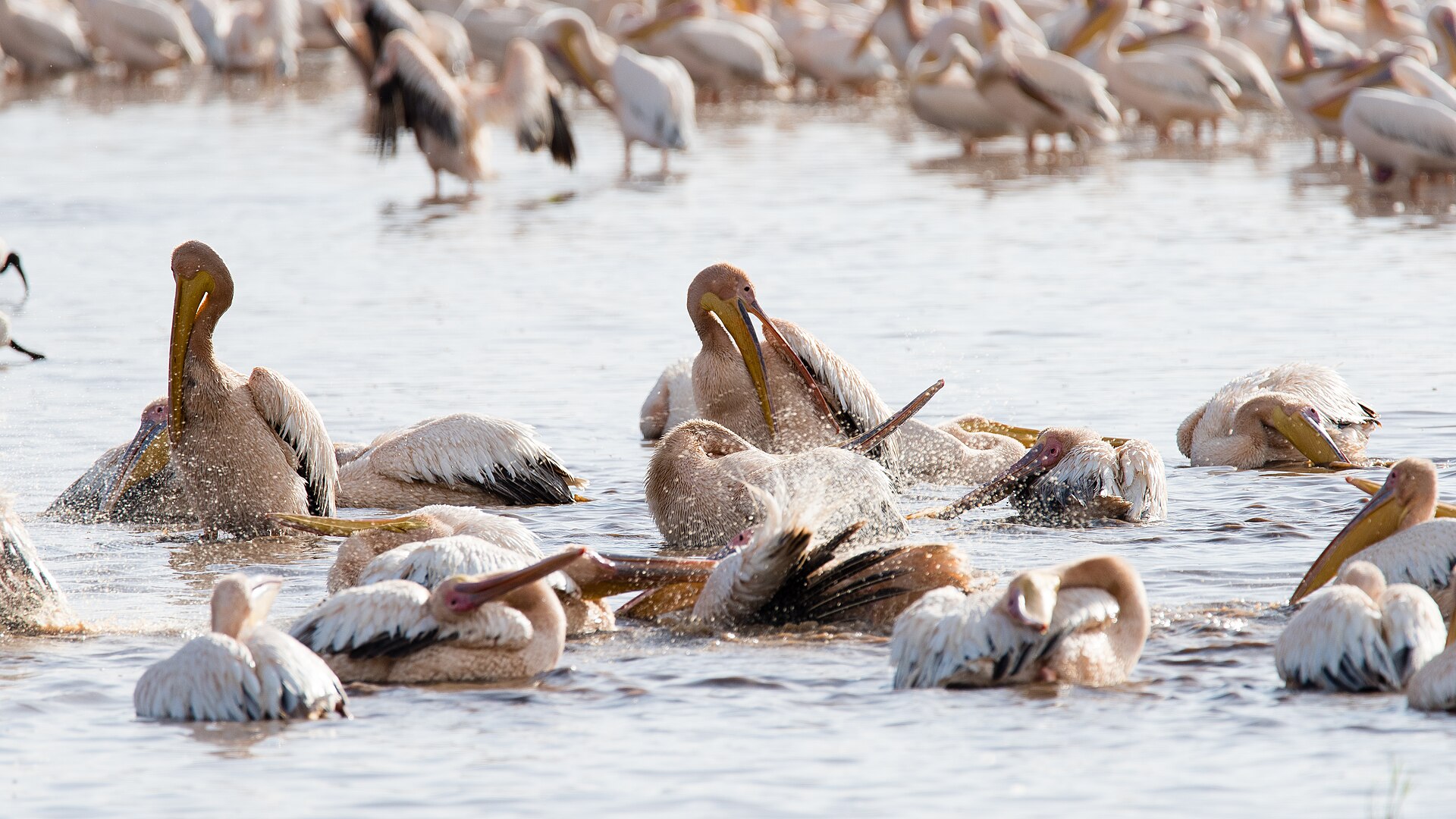
Pelicans and waterbirds gathering on the shallow waters of Lake Manyara

Great Rift Valley · Wild & Nature Safaris

Discover

An Introduction
to Lake Manyara

Though compact — about 330 square kilometres, two thirds of it water — Lake Manyara is a study in contrasts. A dense groundwater forest, thick with figs and mahoganies and alive with blue monkeys and baboon troops, rises abruptly from the park’s entrance. Beyond it, acacia woodland opens onto floodplain and lake, where flamingos form pink lines along the soda shore and hippos grunt in the pools below the escarpment.

Manyara is best known for its lions, which are frequently seen resting in the branches of acacia trees — one of only a handful of places in Africa where this behaviour occurs. Add hot springs at Maji Moto, a treetop walkway through the forest canopy and more than 500 bird species, and this small park delivers a remarkable day of safari.

Location
Great Rift Valley, Northern Tanzania
Area
330 km² (two thirds lake)
Known For
Tree-climbing lions & flamingos
Bird Species
More than 500 recorded

Wildlife & Natural Highlights

What You Will
Find Here

Every destination has its own rhythm and its own icons. These are the encounters, landscapes and moments that define Lake Manyara.

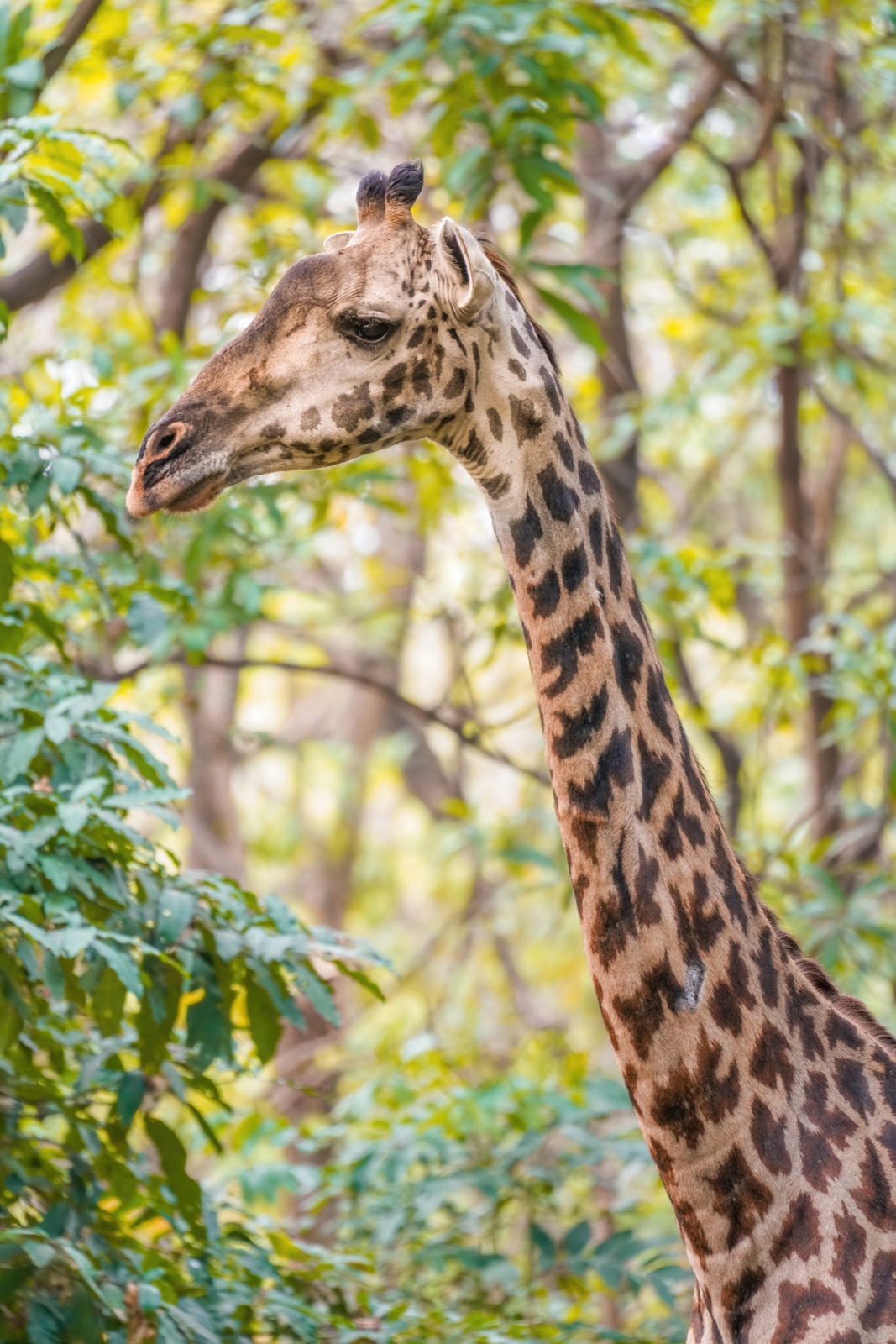
A giraffe feeding among the green leaves of the groundwater forest
  • Tree-Climbing Lions

    Manyara’s lions regularly lounge in the acacias above the floodplain — a rare and much-photographed behaviour, though sightings vary with the season.

  • Flamingos & Waterbirds

    Lesser and greater flamingos feed along the soda shallows, joined by pelicans, storks, cormorants and fish eagles.

  • Groundwater Forest

    A cool, green forest of fig and mahogany fed by underground springs — home to baboon troops, blue monkeys and silvery-cheeked hornbills.

  • Hippo Pool

    Hippos crowd the shallow pools at the lake’s northern end — often dozens visible from a single viewpoint.

  • Maji Moto Hot Springs

    Crystal-clear thermal springs bubbling out of the earth in the park’s south-western corner.

  • Treetop Walkway

    A canopy walkway high above the forest floor — butterflies, birds and a completely different view of Manyara.

Best Time to Visit

When to
Travel

June to October for game viewing · November to February for flamingos and migrant birds.

  1. June – October

    Dry Season

    Wildlife concentrates around the lake and rivers, and the escarpment views are clearest. The best all-round game viewing.

  2. November – February

    Birding Season

    Migratory species arrive from the north and the lake levels favour flamingo feeding — a birder’s park of the first order.

  3. March – May

    Long Rains

    Lush and dramatic, with waterfalls streaming down the escarpment and the forest at its most alive.

  4. November

    Short Rains

    Fresh green, dramatic cloud and excellent photography.

Safari Experiences

Things to
Do Here

From first light on the plains to the last glow on the water — the experiences that make Lake Manyara unforgettable.

  • Game Drives

    A full circuit of the park takes in forest, floodplain and lakeshore in a single morning — one of the most varied drives on the northern circuit.

  • Treetop Walkway

    Walk the canopy bridge through the groundwater forest, eye-level with turacos and monkeys.

  • Birding Safaris

    From the flamingo shallows to the forest interior, Manyara delivers 500 species within a few square kilometres.

  • Canoeing

    Seasonal canoe trips on the lake’s quieter margins — a completely different perspective on the escarpment.

  • Hot Springs Visit

    A short walk among the steaming vents and crystal pools of Maji Moto.

  • Escarpment Sundowners

    Drinks on the Rift Valley wall as the lake turns silver and the light fades behind the far shore.

Recommended Journeys

Safaris That Include
Lake Manyara

Hand-crafted itineraries built around this destination — each one shaped, paced and priced for the way you want to travel.

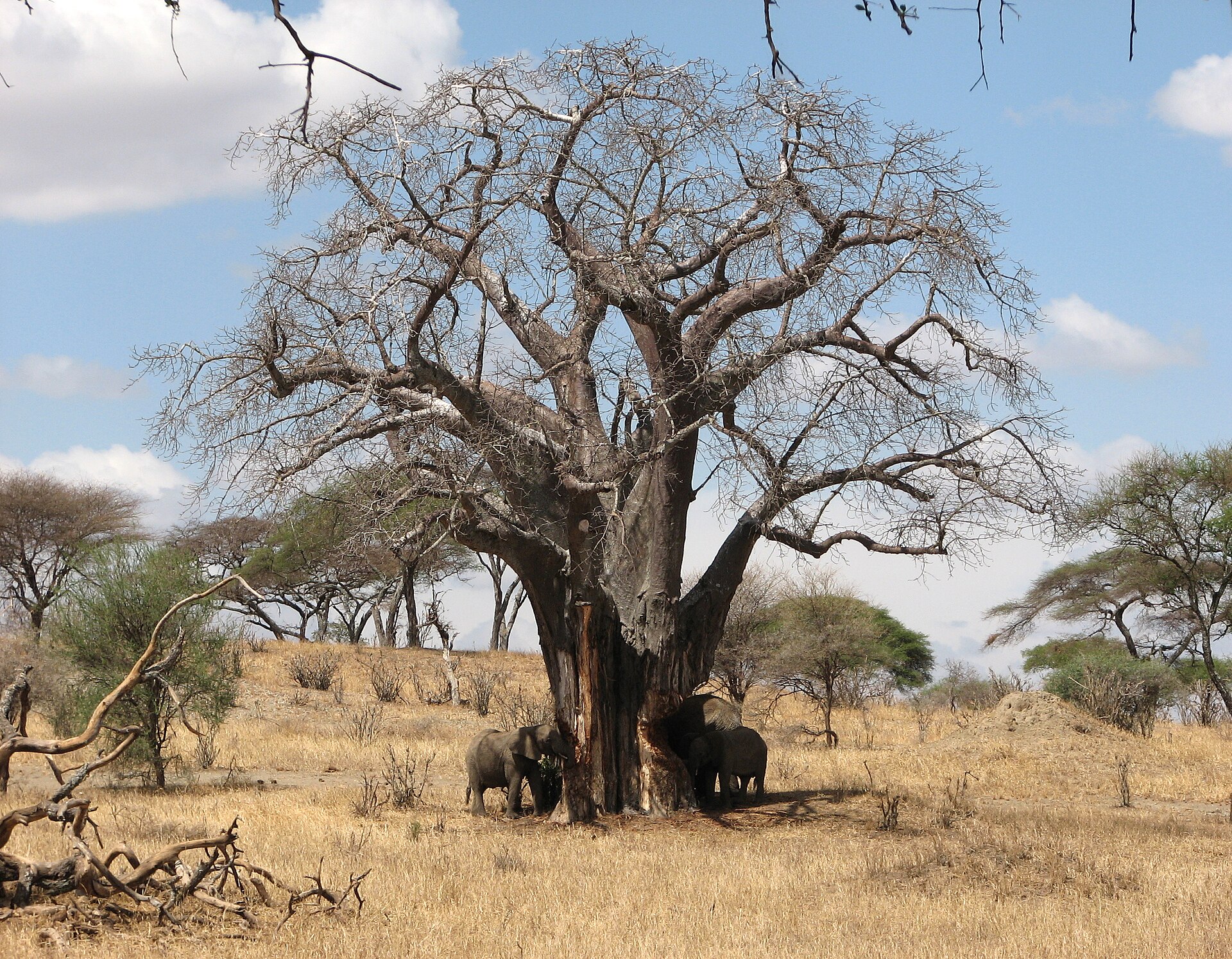
Elephants gathered beneath a giant baobab tree in Tarangire National Park

3 Days · 2 Nights

3 Days Tarangire, Ngorongoro Crater and Lake Manyara Safari

Three iconic northern parks — elephant-rich Tarangire, the wildlife-filled Ngorongoro Crater and the forested shores of Lake Manyara — on one seamless private three-day Tanzania safari.

Private safari · enquire for pricing

View Itinerary
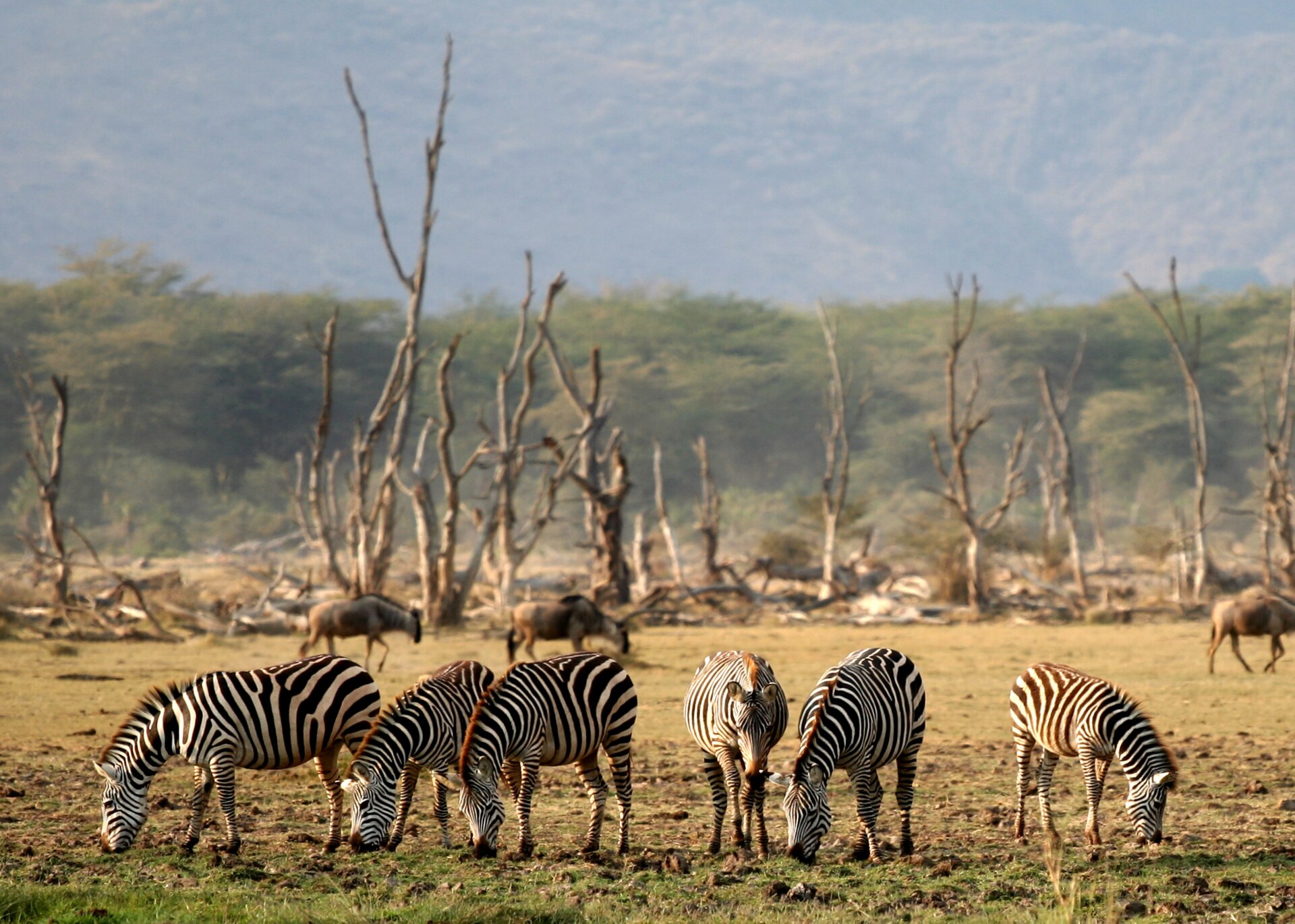
Zebras grazing on open grassland beneath the Rift Valley escarpment near Lake Manyara

6 Days · 5 Nights

6 Days Tarangire, Ngorongoro Crater, Serengeti and Lake Manyara Safari

An extended six-day private safari through four of Tanzania’s greatest wildernesses — Tarangire, the Serengeti, the Ngorongoro Crater and Lake Manyara.

Private safari · enquire for pricing

View Itinerary

Travel Information

Before You
Set Out

Getting There
About two hours by road from Arusha (125 km) — Manyara sits naturally at the start or end of a northern circuit. Flights land at Lake Manyara Airstrip.
Length of Stay
A full day is enough for the park itself; one or two nights work beautifully if you want to slow the pace or combine with the escarpment.
Nearby Parks
Ngorongoro is an hour’s drive up the escarpment; Tarangire lies an hour and a half to the south-east.
Good to Know
Manyara is compact — its greatest value is variety rather than scale. Combine it with larger parks rather than building a whole itinerary around it. The park gate is an easy first stop after Arusha.

Good to Know

Lake Manyara
FAQs

The questions travellers ask us most often about Lake Manyara.

— Great Rift Valley

Are the tree-climbing lions guaranteed?

No — they are wild animals and Manyara’s lions behave as they please. They are seen regularly, particularly in the drier months, but a sighting can never be promised.

Is Lake Manyara worth a full day?

Yes. For a small park the variety is extraordinary — groundwater forest, floodplain, lake and escarpment in a single drive — and it is one of the finest birding stops in northern Tanzania.

When is the best time to see flamingos?

Flamingos are present year-round but numbers peak with the lake levels, generally from November to February, when the shallows favour their feeding.

Can I walk in Lake Manyara?

Guided walks are available in the forest and along the escarpment, and the treetop walkway offers a gentle way to experience the canopy.

How does Manyara fit into a longer safari?

It is the classic first or last stop on the northern circuit — close to Arusha, and a natural gateway to Ngorongoro and the Serengeti beyond.