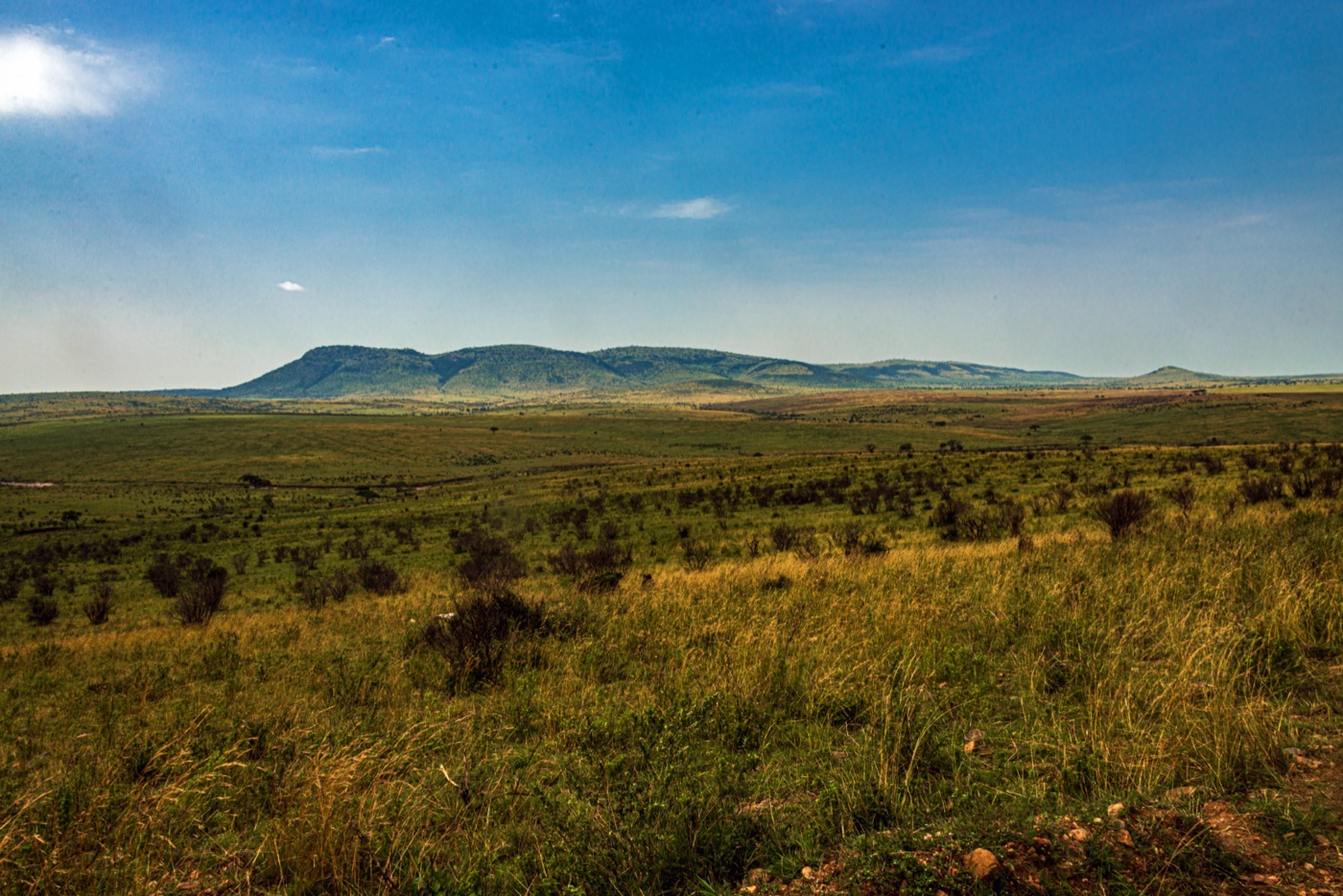
Southern Wilderness Circuit
The wild south — baobab valleys of Ruaha, the rivers and lakes of Nyerere and almost no other vehicles.
From $3,480 per person
View Itinerary
Southern Highlands
East Africa at its most raw and least visited: twenty thousand square kilometres of baobab-studded hills, palm-fringed river valleys and one of the largest elephant populations on the continent.
Southern Highlands · Wild & Nature Safaris
Discover
Ruaha is Tanzania’s second-largest national park, yet it receives a fraction of the visitors of the northern circuit — and that is precisely its magic. The Great Ruaha River carves through a landscape of ancient baobabs, miombo woodland and granite kopjes, drawing elephants, buffalo and predators into its valley as the dry season deepens.
This is a park for travellers who want their safari to feel like an expedition. Lion prides of twenty or more hunt the riverbanks, rare African wild dogs den in the woodland, and greater and lesser kudu move through the shadows of the baobabs. On a full day’s game drive you may pass a handful of other vehicles — or none at all.
Wildlife & Natural Highlights
Every destination has its own rhythm and its own icons. These are the encounters, landscapes and moments that define Ruaha.
Ruaha supports one of the largest elephant populations in East Africa — herds of a hundred or more drift through the river valley in the dry season.
The park’s lion prides are legendary, some numbering twenty or more, with males maned so dark they look almost black at dusk.
Ruaha is one of the last true strongholds of the painted hunting dog — denning packs are tracked by the camps each season.
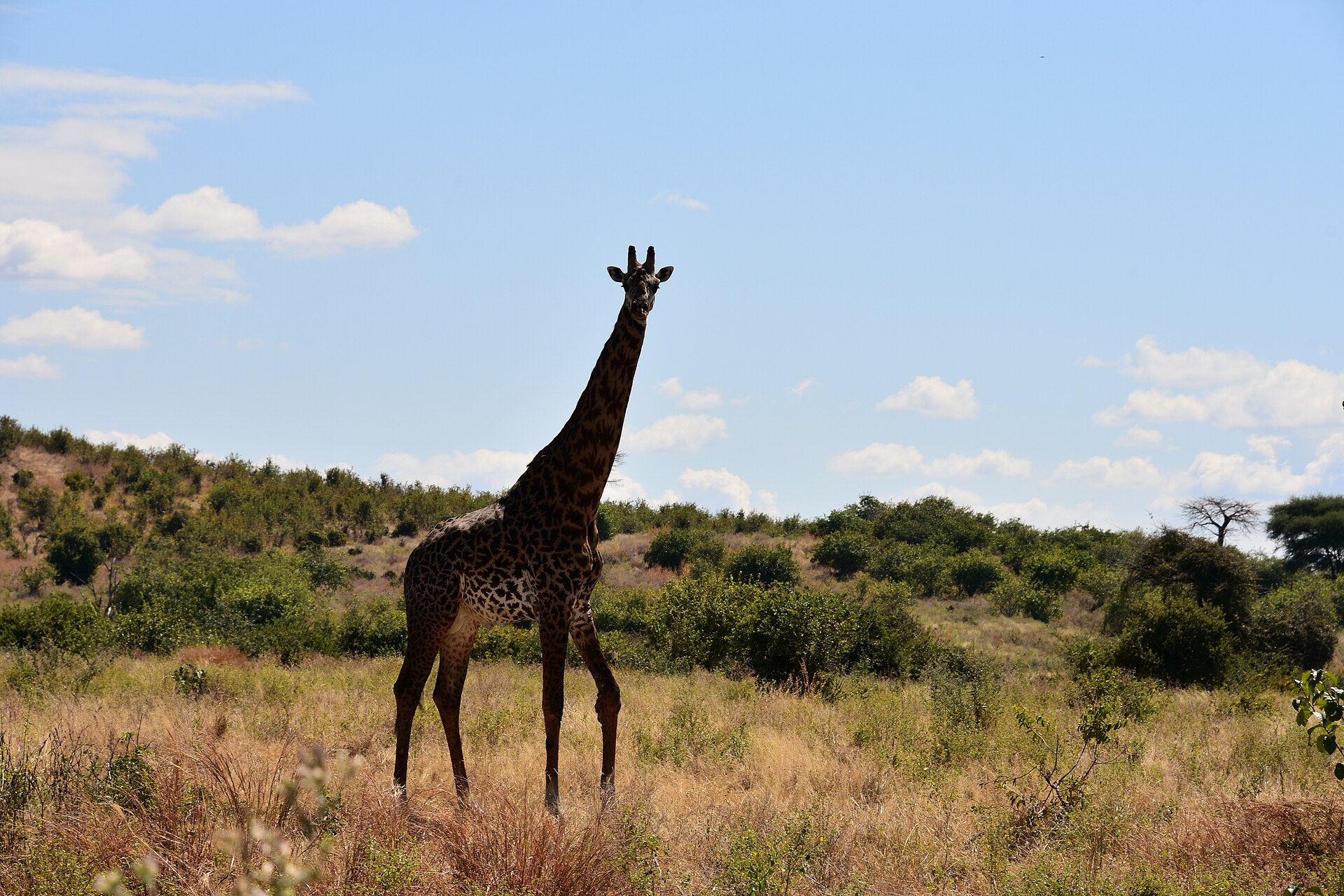
Greater and lesser kudu, sable and roan antelope, and stately eland move through the miombo woodland.
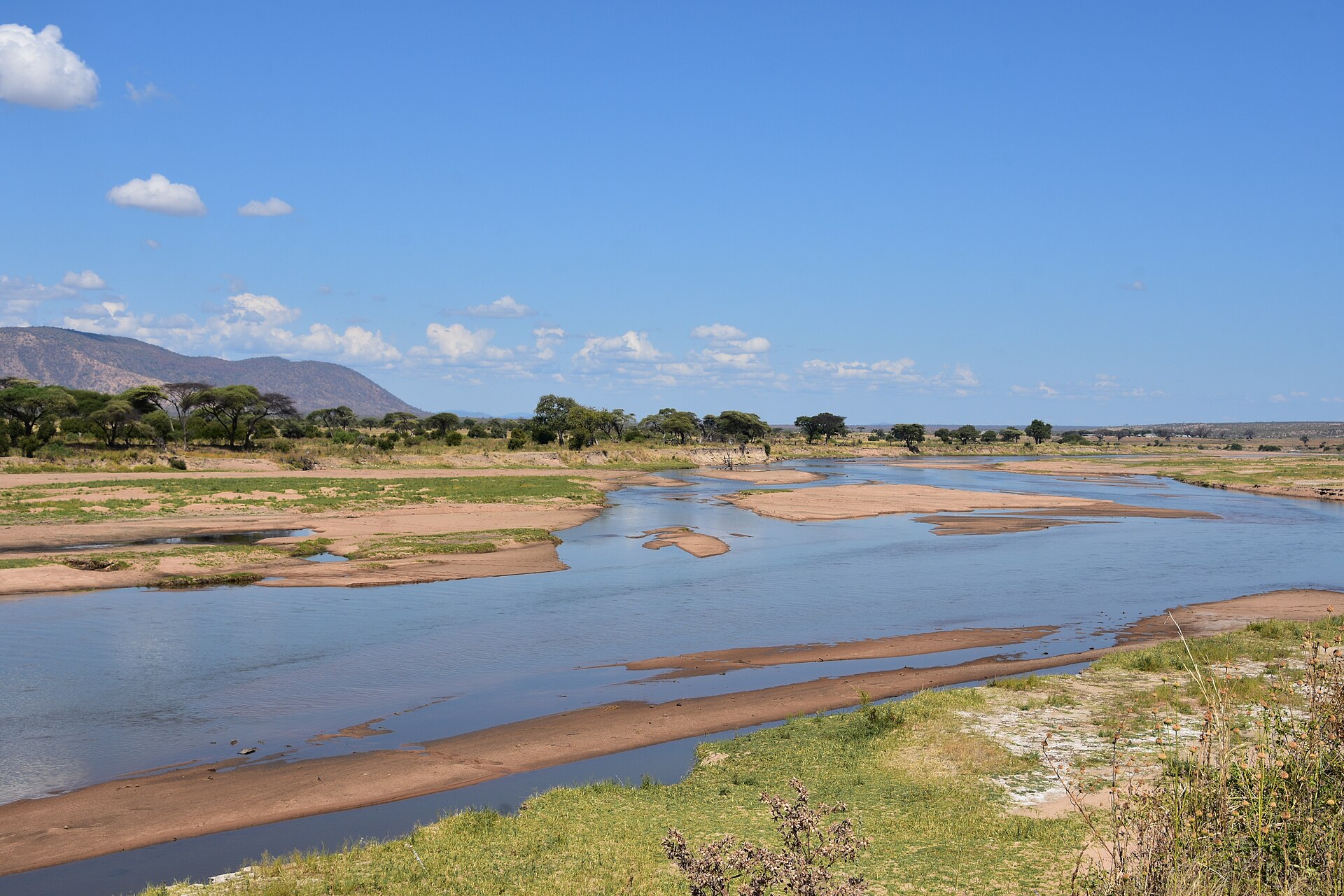
The park’s lifeline — sandbanks, oxbow pools and riverside forest where everything eventually comes to drink.
Over 570 species, including ashy starlings, giant kingfishers and the elegant black-collared lovebird.
Best Time to Visit
June to October for concentrated game viewing · November to March for birds, green scenery and solitude.
June – October
The finest game viewing — animals concentrate along the Ruaha River and the vegetation thins. Hot days, cool nights and enormous skies.
November – March
Rain transforms the park into a green wilderness. Birding is exceptional, the photography superb and the camps wonderfully quiet.
April – May
Lush and wild, with dramatic storms. Some camps close temporarily for the season — the few that stay open offer remarkable solitude.
Late May – June
A beautiful transition as the park dries and wildlife begins to return to the river.
Safari Experiences
From first light on the plains to the last glow on the water — the experiences that make Ruaha unforgettable.
Full-day drives through the river valley and the baobab hills — Ruaha is a park for slow, patient exploration.
Guided walks with an armed ranger, tracking elephants and antelope on foot through the miombo.
Spend a night in a simple mobile camp in the heart of the park — stars, silence and the sounds of the river.
Several of Ruaha’s camps offer night drives in private concessions — leopard, genet and the strange beauty of the bush after dark.
With more than 570 species, Ruaha is one of central Tanzania’s great birding destinations, especially in the green season.
End the day on the sandbanks of the Great Ruaha as elephants cross the shallows in the last of the light.
Recommended Journeys
Hand-crafted itineraries built around this destination — each one shaped, paced and priced for the way you want to travel.
The wild south — baobab valleys of Ruaha, the rivers and lakes of Nyerere and almost no other vehicles.
From $3,480 per person
View Itinerary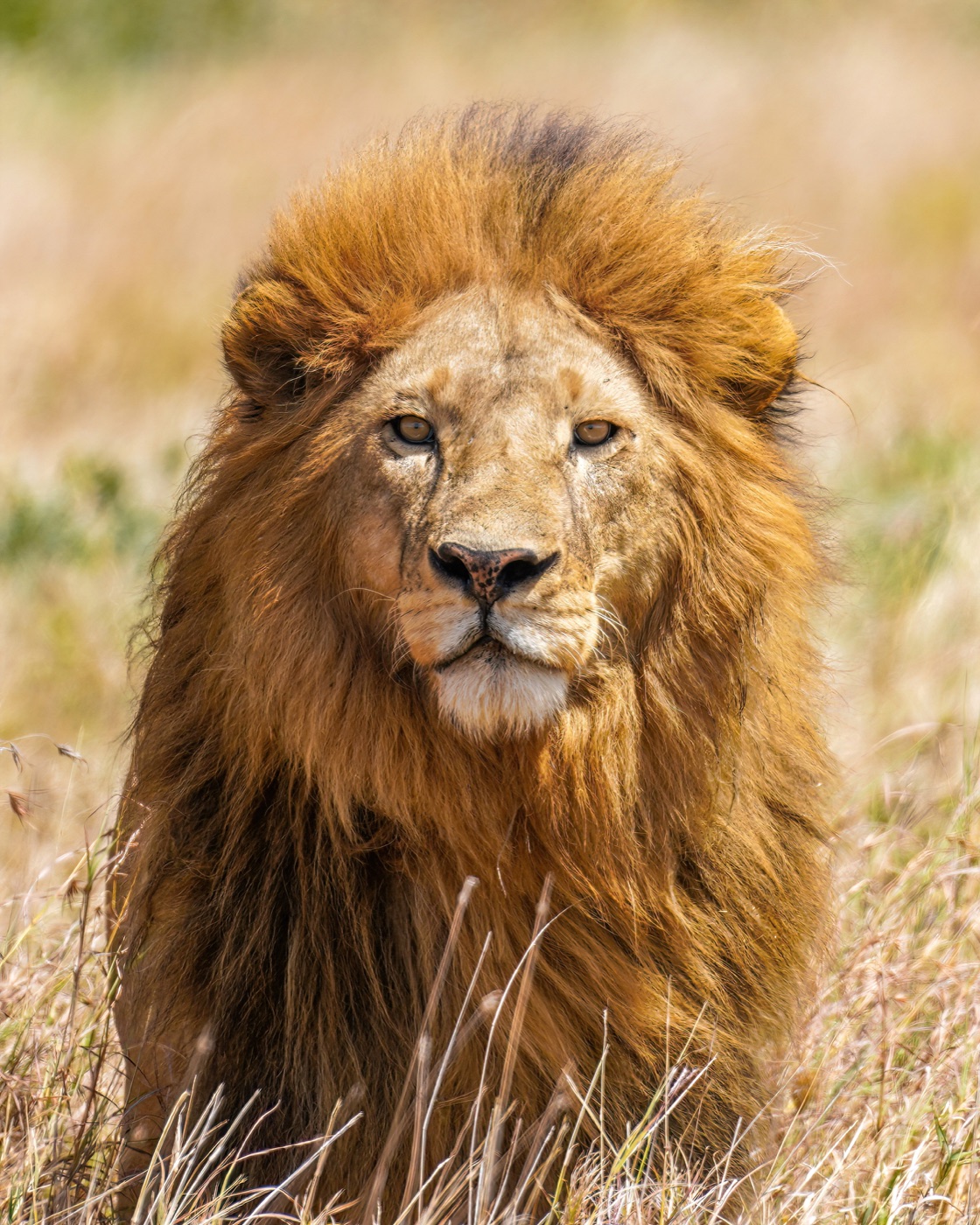
Built around the big cats — the lion prides of the Serengeti, cheetahs of the Mara and leopards of the riverine forest.
From $2,980 per person
View Itinerary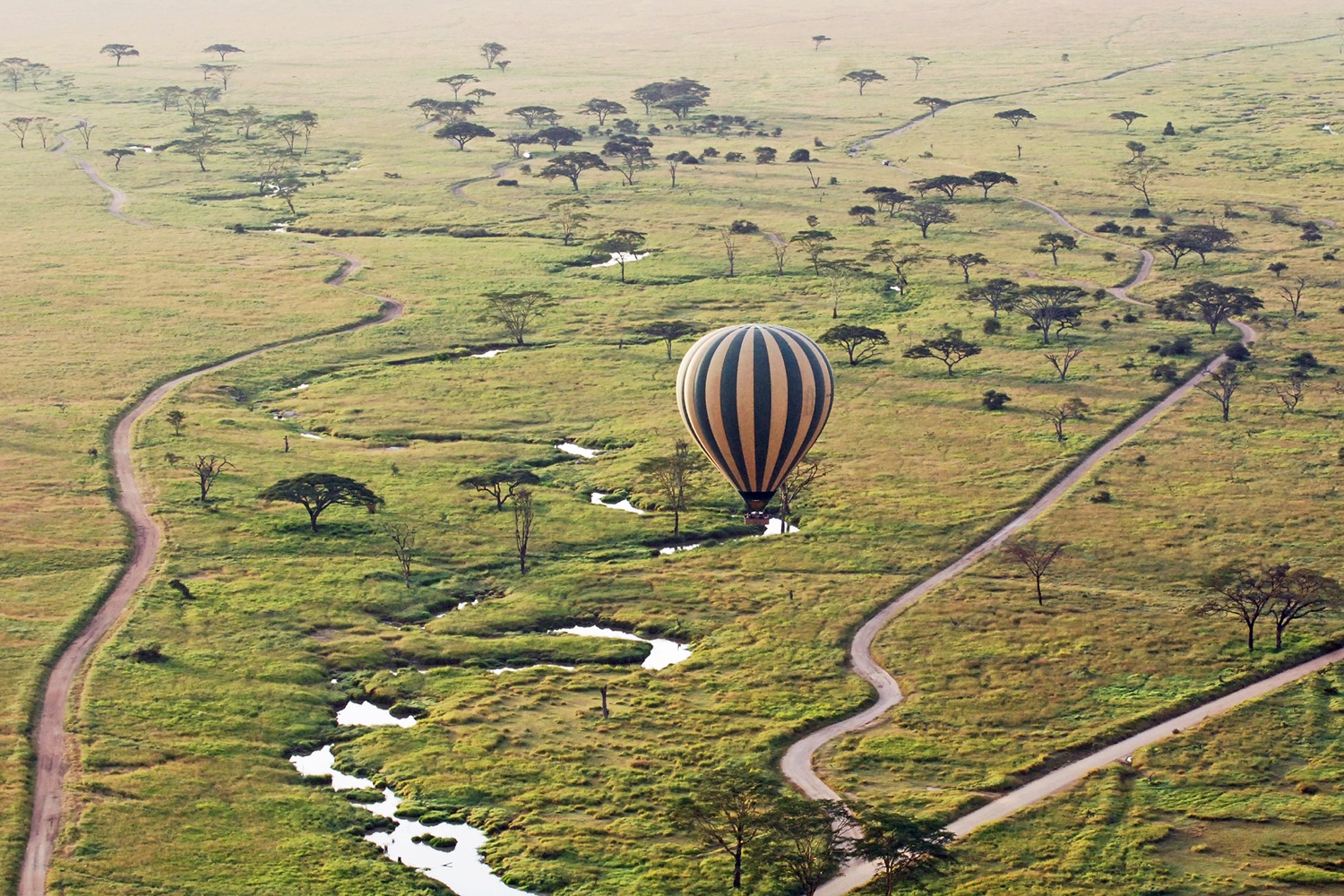
A dawn balloon flight over the Serengeti or Tarangire, and unhurried days among the herds below.
From $1,760 per person
View ItineraryTravel Information
Good to Know
The questions travellers ask us most often about Ruaha.
— Southern Highlands
Its remoteness works in its favour. Reaching Ruaha takes a little more effort than the northern circuit, which keeps the park wonderfully quiet — you may see no other vehicles all day.
The dry season, June to October, is the best time — packs den in the woodland and are tracked regularly by the camps, though sightings remain wild and never guaranteed.
Ruaha pairs naturally with Nyerere on a southern circuit — river, walking and boating safaris in Nyerere, and vast land-based game viewing in Ruaha.
Excellent. Several camps offer guided walks with armed rangers, and the landscape — baobabs, miombo and river valley — is superb on foot.
Vivid and quiet. The park turns green, migrant birds arrive and the photography is outstanding, though wildlife disperses and a few camps close in April and May.